

The alarm goes off, the coffee brews too fast, and before your feet even hit the floor the phone is already lit up with three new messages. That rushed, wired up feeling before eight in the morning is exactly why so many people start wondering whether slow living while working full-time is even realistic. It’s definitely doable, but it requires setting some non-negotiable boundaries. Work isn’t disappearing anytime soon, and neither is the pressure that comes with it.
According to the Gallup State of the Global Workplace 2026 Report, 40% of employees globally reported experiencing a lot of stress during the previous day. That statistic alone tells you something has to change. It is not about quitting your career or moving to a cabin in the woods. It is about choosing intention over autopilot, even during a packed nine to five.
The idea sits at the center of a much larger conversation about work life balance in modern careers. Companies now talk openly about employee wellbeing, though the average person still checks their phone dozens of times a day and treats rest as something to earn instead of something owed to them every day.
We’ll help you figure out what that actually looks like in practice, backed by research, real habits, and a bit of common sense. By the end, you should have a clear sense of how simple habits, not a full life overhaul, can bring calm into a schedule that already feels packed.
Table of Contents
What Does Slow Living Really Mean?

Slow living is a mindset that values quality over speed. It grew out of the slow food movement that started in Italy in the 1980s as a reaction to fast food culture, and it has since expanded into how people work, eat, and spend their free time.
At its core, slow living asks you to do fewer things with more attention instead of cramming your day with tasks you barely register. It is not laziness. It is a deliberate rejection of busyness for the sake of busyness.
While “slow living” itself is a lifestyle philosophy, its core mechanics rely on mindfulness, a practice the American Psychological Association notes is research-proven to reduce stress and improve attention, while independent clinical data published on PubMed directly links it to significantly lower serum cortisol levels.
Can You Truly Practice Slow Living While Working Full-Time?
Here is the honest answer: yes, but it obviously takes structure. You cannot diminish deadlines or a forty hour work week, but you can control how you move through your day.
A Stanford University study on productivity found that output drops sharply after 50 hours of work per week. Turns out, rushing through everything does not even make you more effective.
Slow living while working full-time means building small pockets of calm into a schedule that already exists instead of waiting for a vacation to breathe. Think of it as pacing, not escaping. The goal is a steady rhythm that protects your energy instead of draining it by Wednesday afternoon.
8 Practical Ways to Practice Slow Living Every Day
Getting slow living while working full-time to actually stick usually comes down to a handful of small habits instead of one big life change. Here’s where most people find the most traction.
Start Your Morning Without Immediately Checking Your Phone
Mental health professionals and neurologists warn that checking your smartphone immediately after waking up overstimulates the brain, disrupts the body’s natural cortisol awakening response, and can trigger a state of early-morning stress and anxiety. Give yourself even ten phone free minutes to stretch, drink water, or just sit quietly. This single habit sets the tone for slow living while working full-time before your workday even begins.
Create a Calm Morning Routine

Healthy work habits often start before you log in. A steady morning routine, even one built around a cup of coffee and a short walk, signals to your brain that the day is starting on your terms. Skip the urge to multitask while getting ready. One task at a time keeps your nervous system from spiking too early.
Prioritize Your Most Important Tasks
Trying to do everything at once is the opposite of slow living while working full-time. Pick the two or three things that genuinely matter that day and give those your full attention first, before email, before Slack, before anything that can technically wait another hour. Everything else can take its turn once the important work is actually moving.
Take Mindful Breaks During Work

A 2022 meta-analysis by Patricia Albulescu and colleagues, published in PLOS ONE, reviewed 22 independent study samples to analyze the impact of workplace micro-breaks (pauses lasting 10 minutes or less).
Breaks aren’t wasted time, they’re part of doing good work in the first place. The researchers found that while micro-breaks have a statistically significant but small effect on boosting employee vigor and reducing fatigue, they show a non-significant overall effect on increasing general work performance. Performance improvements were only observed for tasks with low cognitive demands, and data indicated that longer breaks are necessary to recover from highly depleting workloads. Stepping away from your screen for a few minutes isn’t slacking off, it’s one of the more evidence backed productivity habits available, and honestly one of the easiest to start today.
Eat Meals Without Screens

Eating at your desk while answering emails might feel efficient on paper, but it trains your brain to associate food with stress instead of nourishment. Even ten screen free minutes at lunch can reset your energy for the rest of the afternoon, and it’s a small enough habit that most schedules can absorb it without much friction.
Slow Down During Your Commute
Whether you’re driving, walking, or squeezed onto a train, resist the urge to fill every second with a podcast, a phone call, or a mental replay of the last meeting. A quiet commute gives your mind room to settle before or after a demanding day, and that unstructured time matters more than it gets credit for.
Schedule Time for Rest

Rest that isn’t scheduled has a way of never actually happening. Block it on your calendar the same way you’d block a meeting, because unprotected time almost always gets swallowed by something that felt urgent in the moment. Treating rest as non negotiable is one of the clearer signs that slow living while working full-time has actually taken hold as opposed to just staying a nice idea. We also wrote a guide on weekly home resets for busy people. Check it out to see how easily you can free up some time for yourself!
End Your Workday with a Clear Shutdown Routine
Close your laptop with a ritual, even something as simple as writing tomorrow’s top three tasks before you log off. This tells your brain the workday is officially over, which is essential for anyone serious about slow living while working full-time.
How to Create a Slower Evening After a Busy Workday
Disconnect from Work Notifications
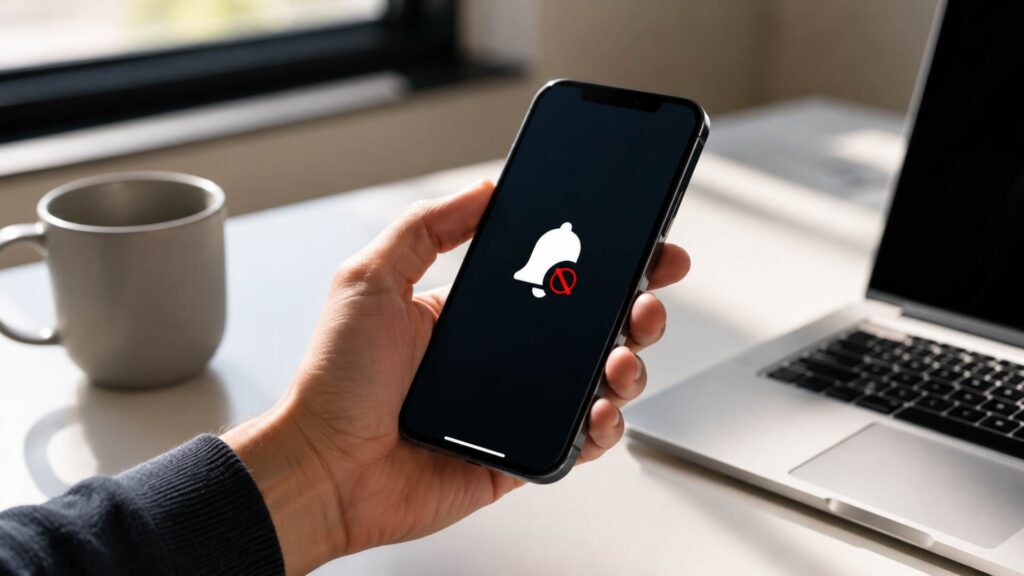
Turning off email alerts after hours isn’t about being unreachable or unreliable. It’s about protecting the boundary that makes work life balance possible in the first place. A phone that keeps buzzing with work messages at nine at night makes it nearly impossible for your nervous system to fully clock out, no matter how tired you already are.
Prepare a Simple Home Cooked Meal

Cooking doesn’t have to be elaborate to be grounding. Chopping vegetables or stirring a pot forces a kind of presence that pulls you out of your head and into your hands, which is a form of stress management most people overlook simply because it doesn’t feel like self care on the surface.
Spend Time Outdoors

Even fifteen minutes outside can lower stress and mark a clear transition from work mode into personal time. Fresh air does more for a racing mind than most people give it credit for, and it costs nothing beyond stepping out the front door.
Read Instead of Scrolling Social Media
A physical book or an e reader gives your brain a single, steady focus point, unlike a feed built specifically to keep pulling your attention toward something new every few seconds. Thirty pages before bed does more for your mental wellness than another thirty minutes of scrolling ever will.
Practice Gratitude or Journaling

Writing down two or three things from the day, good or hard, helps process it instead of letting it blur straight into the next one. It doesn’t need to be profound. A few honest sentences are usually enough. Journaling takes less than five minutes and builds a habit of intentional living without much effort.
Develop a Relaxing Bedtime Routine

Dim the lights, put the phone in another room, and give yourself thirty minutes before bed without screens. The Sleep Foundation notes that blue light exposure before sleep disrupts melatonin production, which directly affects how rested you feel the next morning.
Habits That Make Slow Living Sustainable
- Learn to Say No to Unnecessary Commitments: Every yes to something unimportant is a quiet no to your own time. Protecting your schedule starts with being genuinely selective about what earns a spot on it.
- Protect Your Personal Time: Treat personal time with the same seriousness you’d treat a client deadline. Left undefended, it tends to disappear within the first busy week.
- Declutter Your Home and Digital Life: A cluttered inbox or a messy kitchen counter adds a low grade kind of stress that builds up over days without you fully noticing. Clearing it, even in small batches, supports a calmer headspace and gives simple habits somewhere clean to take root.
- Set Healthy Work Boundaries: Clear start and stop times protect both your output and your energy. This is where life and work balance actually gets built, one boundary at a time, not through a single dramatic overhaul. These boundaries double as healthy boundaries in the rest of your life too, since the same muscle that lets you log off on time is the one that helps you say no elsewhere.
- Embrace Progress Over Perfection: Slow living isn’t a strict rulebook, and treating it like one usually backfires. Some days will be rushed no matter how carefully you plan them. What matters is returning to these healthy work habits instead of abandoning the whole idea the first time a week goes sideways. Building an intentional life happens in fits and starts, not in one clean, permanent fix, and that’s honestly fine.
Together these habits support stress management, burnout prevention, and the kind of slow living that fits inside a demanding career instead of fighting against it. They also reinforce productivity habits that actually hold up over time, since a well rested, intentional employee consistently outperforms a chronically exhausted one.
None of these changes require a job switch or a move to the countryside. Slow living while working full-time is built on daily routines that you control, no matter how packed your calendar looks on paper. Mindful living at work often comes down to noticing when you are rushing out of habit instead of necessity, and choosing to slow that pace down on purpose.
Frequently Asked Questions (FAQs)
Can I practice slow living with a demanding full-time job?
It won’t look like an empty calendar or long stretches of free time, but small, protected pockets of presence scattered through the day add up to something real, especially once they become routine instead of an occasional treat.
Does slow living reduce productivity?
Not typically, and often the opposite ends up true. Working with more focus, fewer distractions, and regular breaks tends to support output, which is part of why this approach works so well for people chasing genuine work life harmony instead of just fewer hours on the clock.
What is the first step toward slow living?
Pick one habit, often the morning phone check, and change it first. Small, consistent shifts build momentum faster than trying to overhaul your entire day in one go, and that first small win tends to make the next one easier.
Our Verdict
Slow living while working full-time isn’t a contradiction, even though it can feel that way on a hectic Tuesday. It’s a set of small, repeatable choices about where your attention goes, built through mindful living. Nobody manages this perfectly every day, and that part is fine. What actually matters is building habits, protected mornings, mindful breaks, screen free evenings, that hold up even during the busy weeks, not just the calm ones. Over time, those small pockets of presence add up to something that looks a lot like genuine work life balance, built one ordinary day at a time, one closed laptop and one quiet morning at a time.