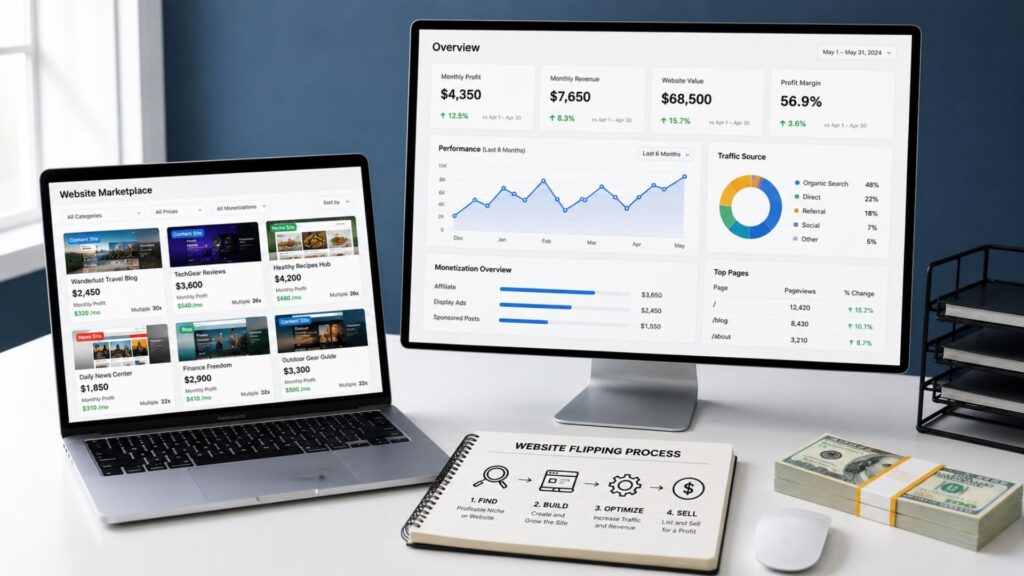

Buying a website, building it up, and selling it for a profit sounds like something reserved for tech insiders with deep pockets. It isn’t. Website flipping for beginners is a pretty accessible way to build a side income online, and plenty of people are doing it with a laptop, a domain name, and a few hours a week.
You don’t need coding skills or a massive budget to get started. What you need is a plan, some patience, and a willingness to treat a small site like an actual business instead of a hobby project you’ll get around to eventually.
I’ll walk you through exactly how the process works, from picking a niche all the way to closing a sale on a marketplace like Flippa. Along the way, we’ll cover what makes a site sellable, what it costs to get one off the ground, and a real example of how my small site sold in under an hour for $700.
Table of Contents
What Is Website Flipping
Website flipping is the practice of building or buying a website, growing its traffic and revenue, and then selling it to another owner for a profit. Think of it the same way people flip houses, except instead of renovating a kitchen, you’re publishing content, building backlinks, and setting up monetization. It’s different from pure domain flipping, where someone buys and resells just the domain name itself with no content behind it.
Learning how to flip websites properly means treating the site as a small business from day one, not a stack of blog posts you’ll figure out later. People who get good at this often move from buy and sell websites as a casual side project into something closer to real website investing, where each new site is a deliberate, calculated bet.
How To Build A Flippable Website For Maximum ROI, 12 Easy Steps
Getting good at website flipping for beginners comes down to following a repeatable process instead of guessing your way through it. Here’s my favorite twelve step version that actually works.
1. Choose a Micro Niche With Low DA
Start narrow. Instead of targeting a huge topic like fitness or travel, pick something specific. A single dog breed, a niche kitchen appliance, one type of home workout. Micro niches have less competition. Turns out, it’s easier to rank pages and build authority quickly. Look for keyword spaces where the top ranking sites have low domain authority, since that’s a signal you can realistically compete without years of backlink building.
2. Build or Buy a Website
You can start from scratch with a fresh domain, or you can buy an aged domain with some existing history. Recently we bought a website for $3600 (featurelens.com). Here are some of the statistics of where it stands right now.
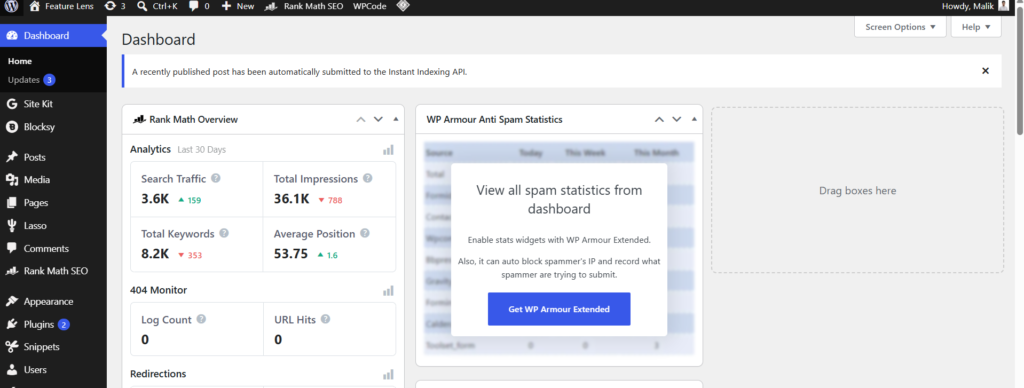
Although you do not always need to purchase a site, you can build it from scratch too. And doing so gives you full control over the niche and content direction. Buying aged real estate can save time on domain trust, but it comes with the risk of inheriting old penalties or spammy backlinks you didn’t create.
3. Give Site A Decent UI
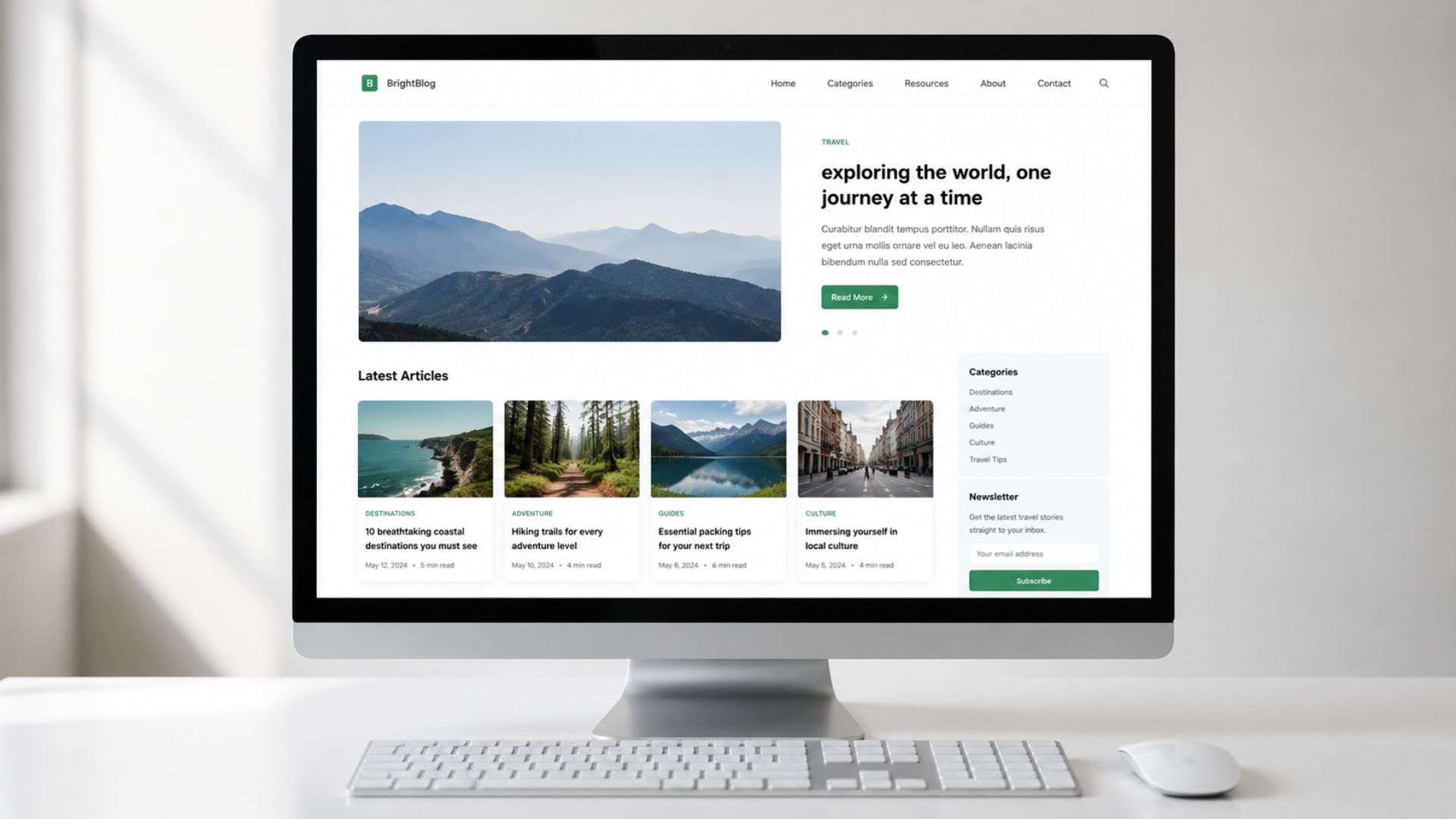
A clean, fast-loading site really leaves an impact on user perception about your site, and so are for buyers. Stick to a simple theme, readable fonts, and a layout that doesn’t bury your content under ads and popups. Buyers on marketplaces routinely pass on sites that look cluttered or dated, even when the traffic numbers are solid.
4. Write All the Policy, Affiliate Disclosure, and Relevant Pages
An about page, a contact page, a privacy policy, an affiliate disclosure, and terms of service aren’t optional extras. They signal legitimacy to both readers and search engines, and they’re one of the first things a serious buyer checks before making an offer. Skipping these pages is a common rookie mistake that makes an otherwise solid site look unfinished.
5. Publish SEO Optimized Blogs Along With the Right Keyword Research
Content is still the engine behind most flippable sites. Research keywords with real search volume and manageable competition, then write posts that actually answer the question behind the search, not just posts stuffed with the keyword itself. Consistency matters here more than volume. Twenty well researched posts will usually outperform fifty rushed ones.
And while writing seo focused blogs matters, there is something that I think matters more than the writing part. You know what it is. It’s actually the keyword research or in simple terms the research of a topic you’re going to write on. Always always pick a topic that has low KD (keyword difficulty), even if it has pretty low search volume. Your chances of ranking would certainly be higher. And one genuine tip I want to share with you guys is when you finalize a keyword, if you can afford the Ahrefs bar, it’d be great otherwise use the Ubersuggest bar to actually check how much DA a site has, and how many keywords it’s ranking on, and then start working on the keyword.
Obviously, you do need to skim the content to actually figure out whether you could write better than that, or there is some room for improvment or should you keep looking for keywords. What I do normally is I only work on a keyword on which at least 2 or 3 less than 10DA sites are ranking, along with Reddit, Quora, YouTube or FB pages. And then i write quality content and honestly, this will give you a plenty of chance to get indexed early.
6. Publish at Least One Blog on Quora, Reddit, or Medium With Inbound Link
Getting your site mentioned, with a natural link back, on platforms like Quora or Reddit gives you an early trust signal and a small trickle of referral traffic. It also helps search engines discover your new site faster than waiting around for organic crawling alone.
7. Set Up Your Site’s Pinterest, Instagram, and Facebook Page to Increase Authority
Social profiles tied to your domain do two things. They give you another distribution channel for your content, and they make the site look like an active, real project rather than an abandoned domain with a few posts on it. Buyers notice established social pages, even if they’re not driving huge traffic yet.
8. Submit Your Sitemap in GSC and Set Up Your GA From Day One
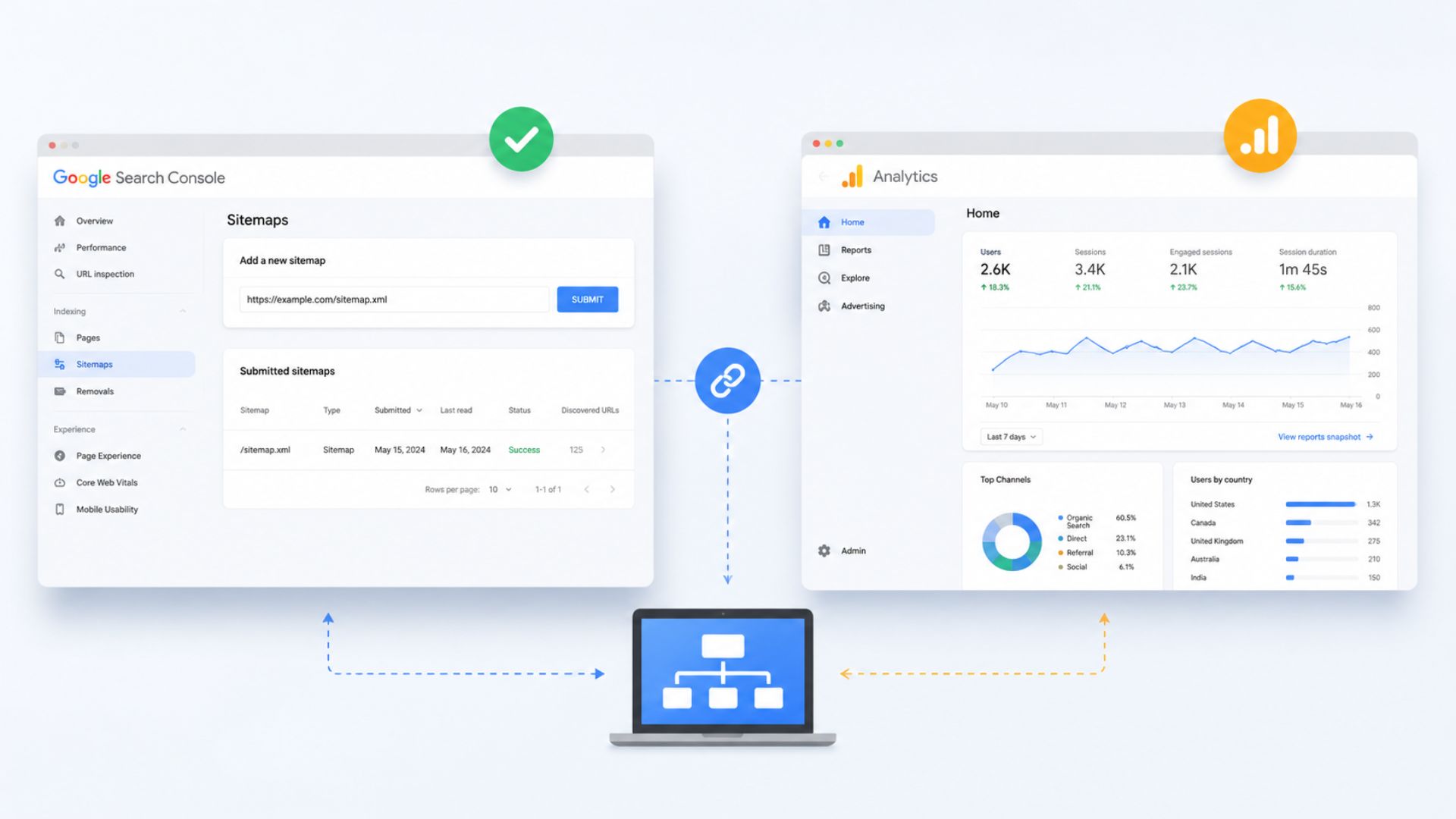
Getting indexed quickly starts with submitting your sitemap to Google Search Console the moment your site goes live. Pair that with Google Analytics from day one, since buyers will want to see a full, unbroken traffic history and so do you.
9. Keep Tracking What Works and What Didn’t
Not every post or strategy will perform the same way. Check which content is ranking, which pages are earning clicks on affiliate links, and which topics inside your niche are pulling in the most traffic. Doubling down on what’s working is far more efficient than spreading effort evenly across everything.
10. Prepare the Website for Sale
Once the site has a track record, clean up loose ends. Fix broken links, update outdated posts, organize your analytics into a simple report, and make sure your monetization, whether that’s ads, affiliate links, or a small product, is stable and documented.
11. List It on Flippa or Other Marketplaces
This is where website flipping actually turns into money. Marketplaces like Flippa let sellers list a site with its traffic history, revenue numbers, and other details, then field offers or accept bids from interested buyers. Listings that include verified traffic, clear financial documentation, and a fully filled out profile consistently attract more serious buyer attention than bare bones listings with vague numbers.
12. Complete the Sale and Transfer Ownership
Once a buyer commits, the marketplace typically walks both sides through an escrow process, protecting payment until the domain, hosting, and any associated accounts are fully transferred. This step matters as much as anything before it, since a smooth handover builds your reputation for future sales.
What Types of Websites Are Best for Beginners?
- Affiliate Marketing Websites: These monetize through product recommendations and commission links, and they tend to be the easiest entry point for anyone new to website flipping.
- Content Blogs: Built around informational posts, these rely on ad revenue and affiliate links, and they’re often the fastest to launch since they don’t require inventory or a service to deliver.
- Local Business Websites: Built for a specific city or region, these can be sold directly to local business owners rather than through a marketplace at all.
- SaaS Landing Pages: These require more technical setup but can command higher prices if they show even modest recurring revenue.
- Small Ecommerce Stores: These typically rely on a narrow product catalog, and many beginners pair this model with print on demand suppliers to avoid holding physical inventory.
- AI Generated Starter Sites: These use AI tools to speed up content production, though quality control matters more here than almost anywhere else, since thin, generic content rarely holds up under buyer scrutiny.
How I Flipped My Website for $700 on Flippa in Just One Hour
I bought my first domain at the end of 2024. At that point I’d already been freelance writing on Fiverr since 2022, working with buyers, helping them land their first sales, learning the back end of how content actually performs. After a couple years of doing that for other people, I decided it was time to build something of my own.
I didn’t set out with a plan to flip it. Honestly, I gave it about a month of real effort, then let it sit for close to three months while I kept working client projects on the side. Looking back, that gap probably helped more than it hurt.
I picked cats as the broad category, mostly because I genuinely love them, then narrowed straight down to Ragdolls specifically. The competition in that specific breed wasn’t nearly as steep as it would have been for cats as a whole, and that gap is exactly what I tell my own clients to look for.
If you’re a beginner without a long term plan or a service to sell, a micro niche beats a macro one every time. Cats would be the macro category here. Ragdolls, or any single specific breed, is the micro version, and it also helps Google place you as someone who actually knows the topic instead of skimming the surface of a huge one.
The setup itself was basic. I bought the domain through Hostinger, though I’m not pushing that as a recommendation, do your own research on hosting before you commit. I wrote twenty blog posts in the first twenty days and launched the site around four categories, all tied back to Ragdolls, their breed traits, essential care, and a few related topics. After that initial sprint, I wrote another ten posts over the following few days and scheduled them to publish on their own. I set up Pinterest, Instagram, and Facebook pages early on, then mostly stepped back and let the content run.
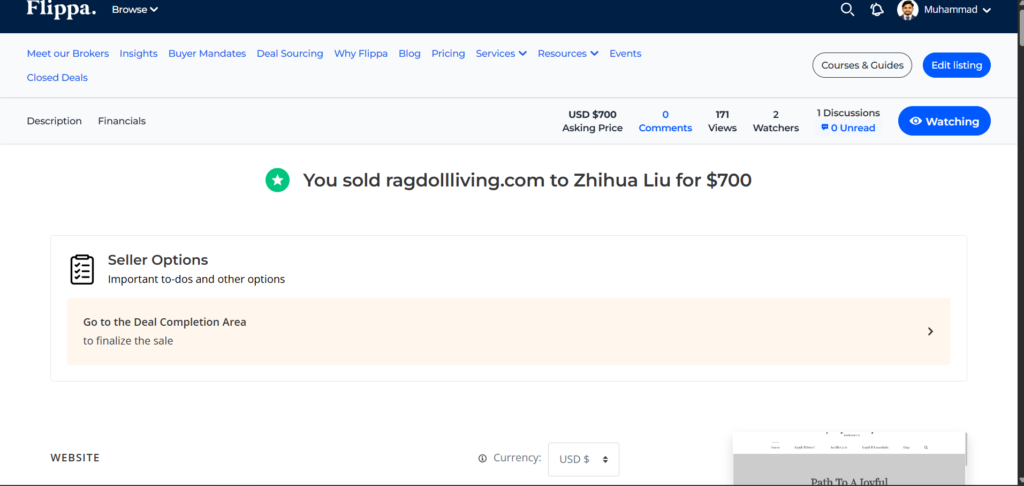
Four months later, with client work eating most of my time, I decided to list it. It sold on Flippa in about an hour. Looking back, I probably could have gotten close to fifteen hundred dollars for it, but I’d set the price low on purpose, mostly out of curiosity about how quickly it would move.
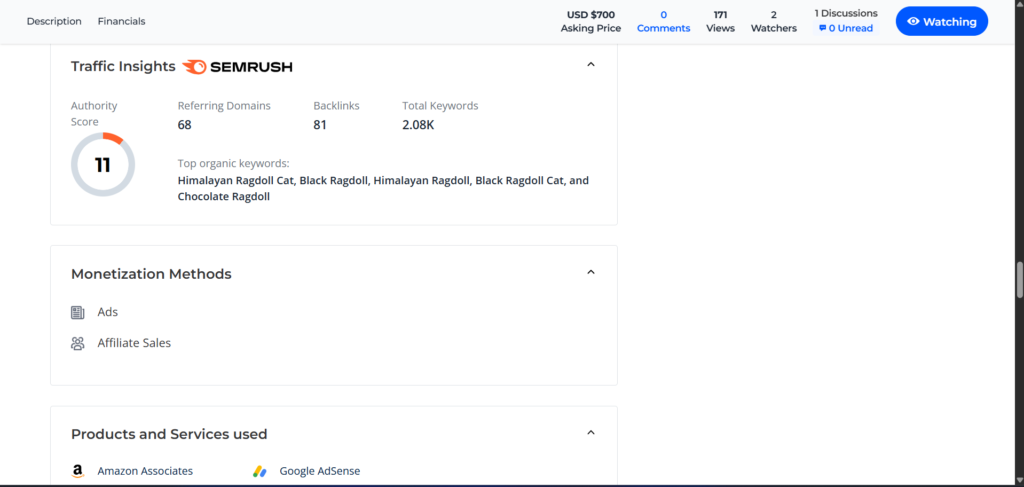
At the time of sale it had a domain authority of 11, a healthy set of backlinks that had come in organically, and it was ranking on roughly 2,100 keywords. That’s really just a reflection of consistent, decent content over a short window. AdSense had been approved, though it’s all time earning was around thirty dollars cause the site was new and didn’t get as much traffic as it could have if it had been taken care of.
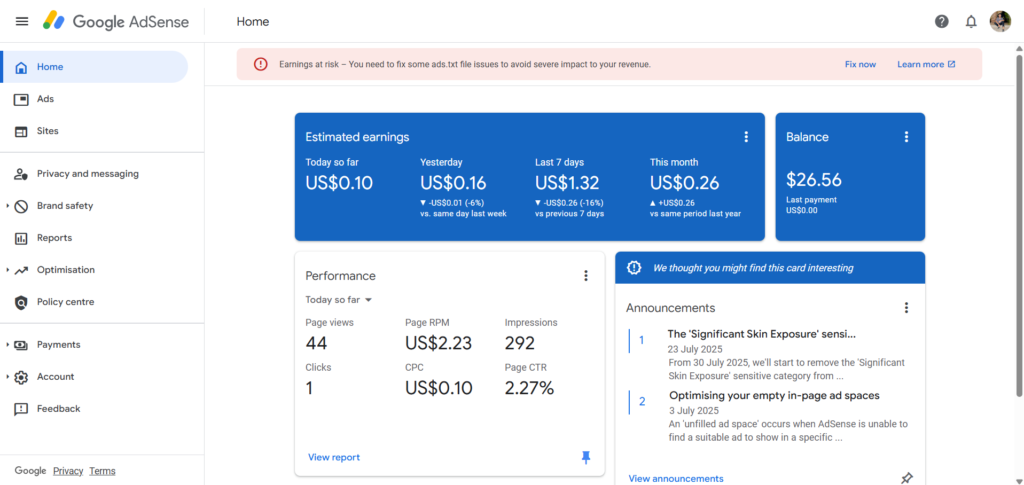
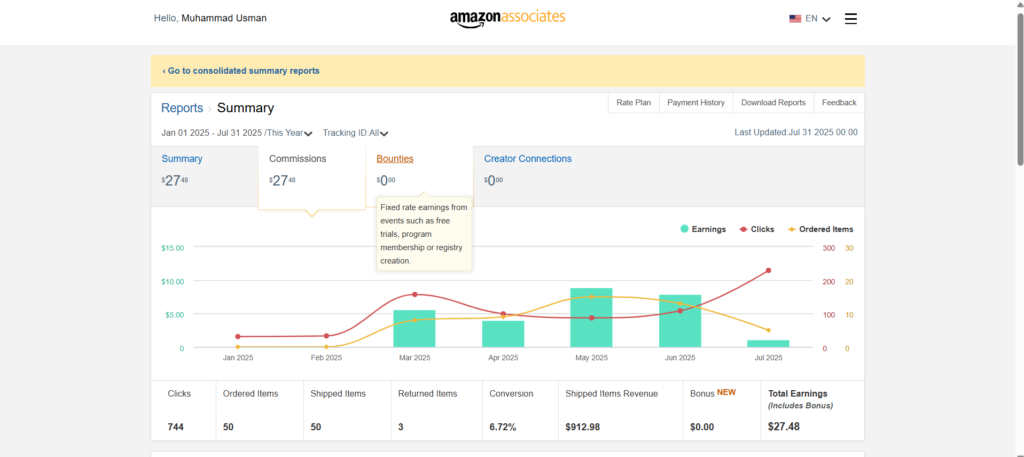
Amazon’s affiliate program brought in 27 dollars in commission, tied to a product category selling well over 900 dollars in volume. Not a huge number on paper, but it was enough to show a buyer the site actually worked.
How Much Does It Cost to Start Website Flipping?
- Domain Registration: Usually somewhere between ten and twenty dollars a year for a standard domain.
- Web Hosting: Budget hosting starts around three to ten dollars a month, though better performance usually means a slightly higher tier.
- Premium Themes and Plugins: Optional, but a solid theme and a few key plugins can run anywhere from thirty to a hundred dollars total.
- AI Writing or Design Tools: Many beginners use these to speed up content production, typically costing twenty to fifty dollars a month depending on the tool.
- Marketplace Listing Fees: Most marketplaces charge a small listing fee or take a commission on the final sale price rather than charging upfront.
- Optional Marketing Costs: Social media promotion or a small amount of paid traffic testing can add anywhere from zero to a few hundred dollars, depending on how far you want to push it.
What Makes a Website More Valuable?
- Organic Search Traffic: Consistent, non paid visitors are the single biggest driver of buyer interest.
- Consistent Revenue: Even modest, stable income beats a flashy spike followed by a drop.
- High Quality Content: Well researched, genuinely useful posts hold up better over time than thin, rushed content.
- Strong Backlink Profile: Organic backlinks signal real authority rather than manipulated rankings.
- Email Subscribers: A list gives a buyer a direct channel to an audience, independent of search algorithms.
- Well Established Social Pages: Active accounts add a layer of credibility beyond the website itself.
- Clean Website Design: A professional look reduces a buyer’s hesitation almost immediately.
- Systems That Are Easy to Manage: Documented processes make a site easier to hand off, which raises its appeal to buyers who don’t want a steep learning curve.
For context on numbers, Flippa’s own valuation data shows that most content sites and blogs typically sell somewhere between 30 and 45 times their average monthly profit, depending on traffic diversity and how clean the financials look. That range is a useful benchmark if you’re trying to gauge what your own site might realistically fetch once it’s ready for website sale.
Where Can You Sell a Website As a Newbie?
- Flippa: The largest and most well known Flippa marketplace, covering everything from small content blogs to established ecommerce stores. It’s usually the first stop for anyone new to sell websites online.
- Empire Flippers: Known for a more curated, vetted approach, Empire Flippers tends to attract buyers looking for established, higher revenue sites rather than brand new starter projects.
- Motion Invest: Focused specifically on content sites, Motion Invest offers a more streamlined process for smaller, simpler blog style properties.
- Acquire.com: Originally built around SaaS and startup sales, Acquire.com has expanded into a broader marketplace for online businesses of various types.
- BizBuySell: A more traditional business marketplace that also lists online businesses alongside brick and mortar listings, useful if your site is tied to a local audience or physical service.
If website flipping ends up feeling like the wrong fit for you, there are other online paths worth a look too. Selling AI printables through an Etsy shop, running a small print on demand store, building faceless short form content, or starting a faceless YouTube channel all offer a similar kind of upside without needing to show your face or manage inventory.
Frequently Asked Questions (FAQs)
Is website flipping profitable for beginners?
Yes, though most beginners won’t hit huge numbers on their first attempt. A well built micro niche site can realistically sell for several hundred to a few thousand dollars once it has decent traffic and a bit of monetization behind it.
How much money do I need to start?
You can realistically get started for under a hundred dollars, covering just a domain and basic hosting, especially if you’re writing the content yourself instead of outsourcing it.
How long does it take to flip a website?
Most beginner sites take anywhere from two to six months of consistent content before they’re ready to sell, though this varies heavily by niche and how much effort goes in early on.
Can I sell a website with no revenue?
You absolutely can, as long as the site is indexed in Google Search Console and built around genuinely quality content. Without revenue history though, expect buyers to value it more conservatively, since they’re essentially betting on potential rather than proven numbers.
Wrapping Up…
Website flipping for beginners isn’t complicated once you break it down into steps, pick a tight niche, build genuinely useful content, keep your systems clean, and list the site somewhere buyers actually shop. It won’t make anyone rich overnight, but as a website side hustle or a steady form of digital asset investing, it’s one of the more realistic paths into online business ownership available right now. Start small, stay consistent, and treat every site like something worth handing off well, because that mindset is usually what separates a decent flip from a great one.