I’ve walked into more beige living rooms than I can count, and a major reality remains unsaid. Matching everything doesn’t make a room feel put together, it just makes it feel like nobody lives there yet.
Color is what turns a house into somewhere you actually want to sit down. And it’s not about painting every wall a different shade either. Furniture does most of that work for you, since it sits right at eye level and catches whatever light hits the room throughout the day.
Multi Colored Furniture Can Brighten a Room faster than a fresh coat of paint ever will, and once you see it done right, plain matching sets start to look a little boring. Let’s get into which colors actually pull this off, and how to combine them without your living room looking like a furniture showroom threw up.
Table of Contents
Which Furniture Colors Make a Room Feel Brighter?
Not all color choices carry equal weight here. Well, there’s an actual scientific reason for that. Paint and fabric both have what’s called a light reflectance value, basically a score from zero to one hundred that tells you how much light a surface bounces back into the room.
Pure white sits close to ninety on that scale. Deep black barely cracks five. So when someone tells you white furniture makes a room feel bigger, they’re not just being trendy, there’s real physics behind it.
White and Cream for an Open Feel
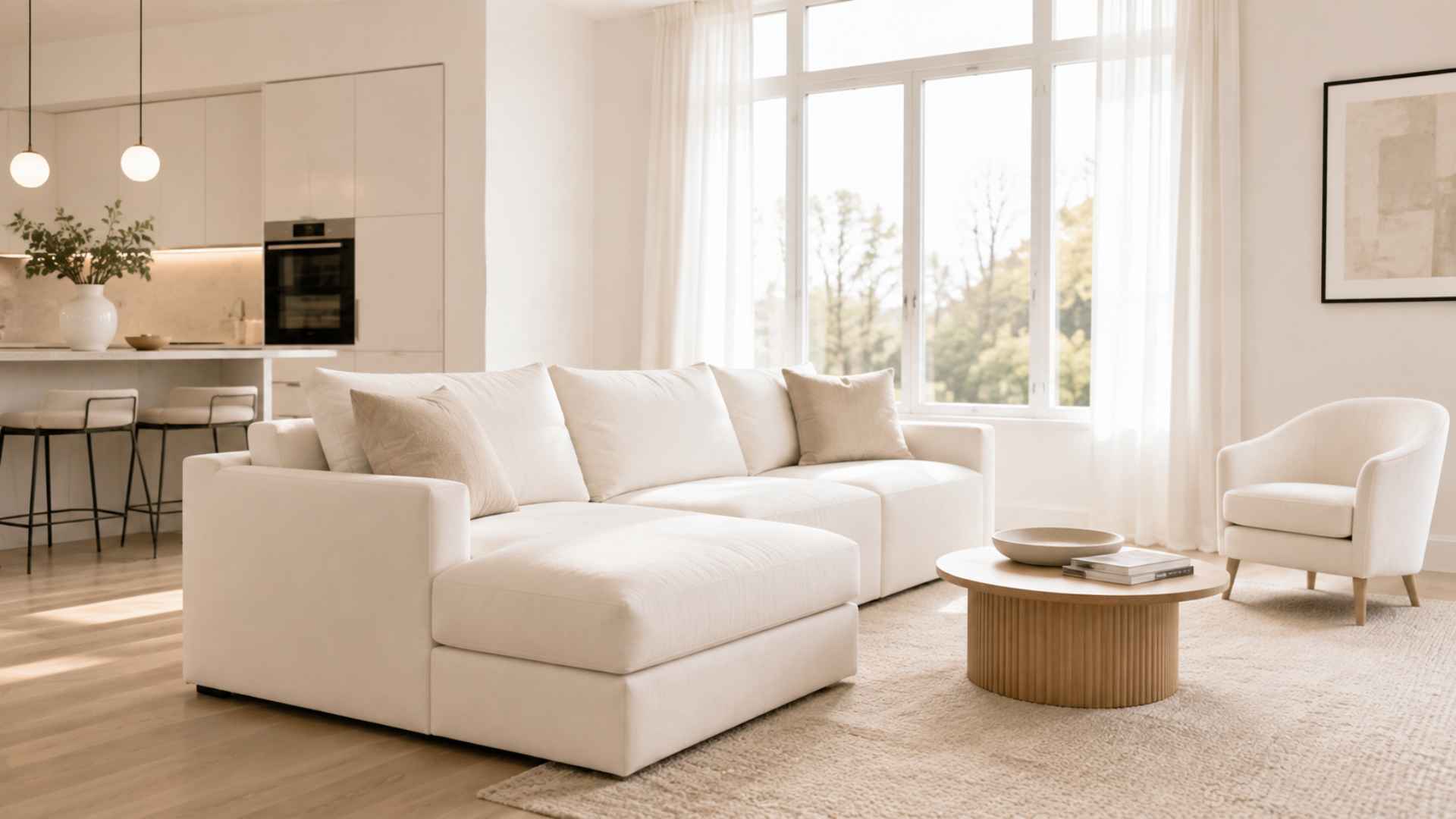
A white sofa does something a beige one just can’t. It throws light back into the room instead of soaking it up. That is exactly why small apartments lean on cream and white pieces so heavily.
Pair that against neutral walls and the furniture practically becomes the light source itself. I’ve seen a single white armchair change how an entire corner of a room reads, and it costs a lot less than knocking down a wall for more windows.
Light Blue and Green for a Fresh Look
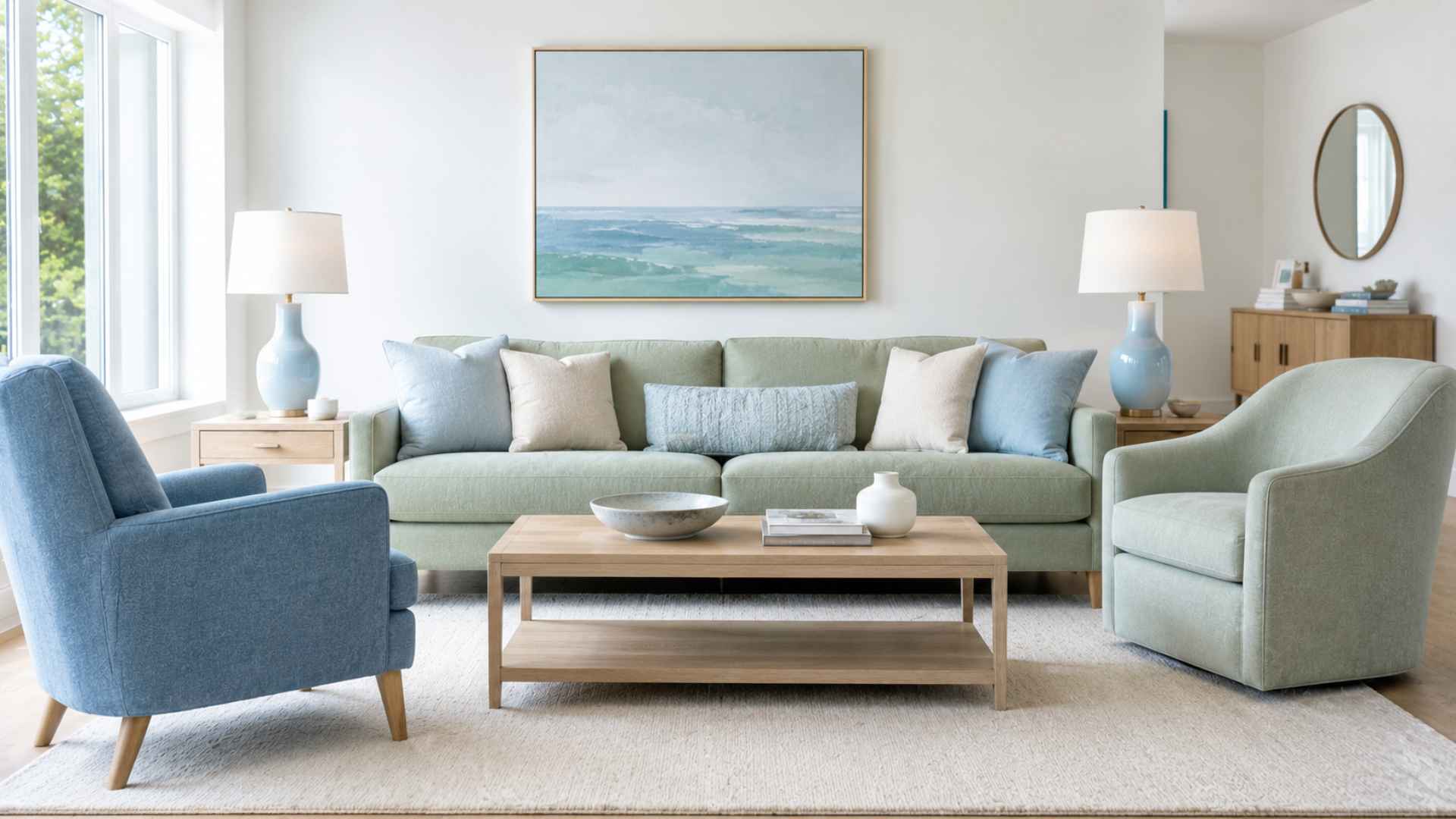
There’s a reason spas and cottages both reach for the same palette. Pale blue and soft sage feel calm without going cold, and they carry just enough of the outdoors indoors to keep a room from feeling stiff.
A blue accent chair in the corner of an otherwise neutral room does more than people expect. It’s usually the safest starting point if you’ve never worked with colorful furniture before and don’t want to commit to anything loud.
Yellow and Warm Tones for More Energy
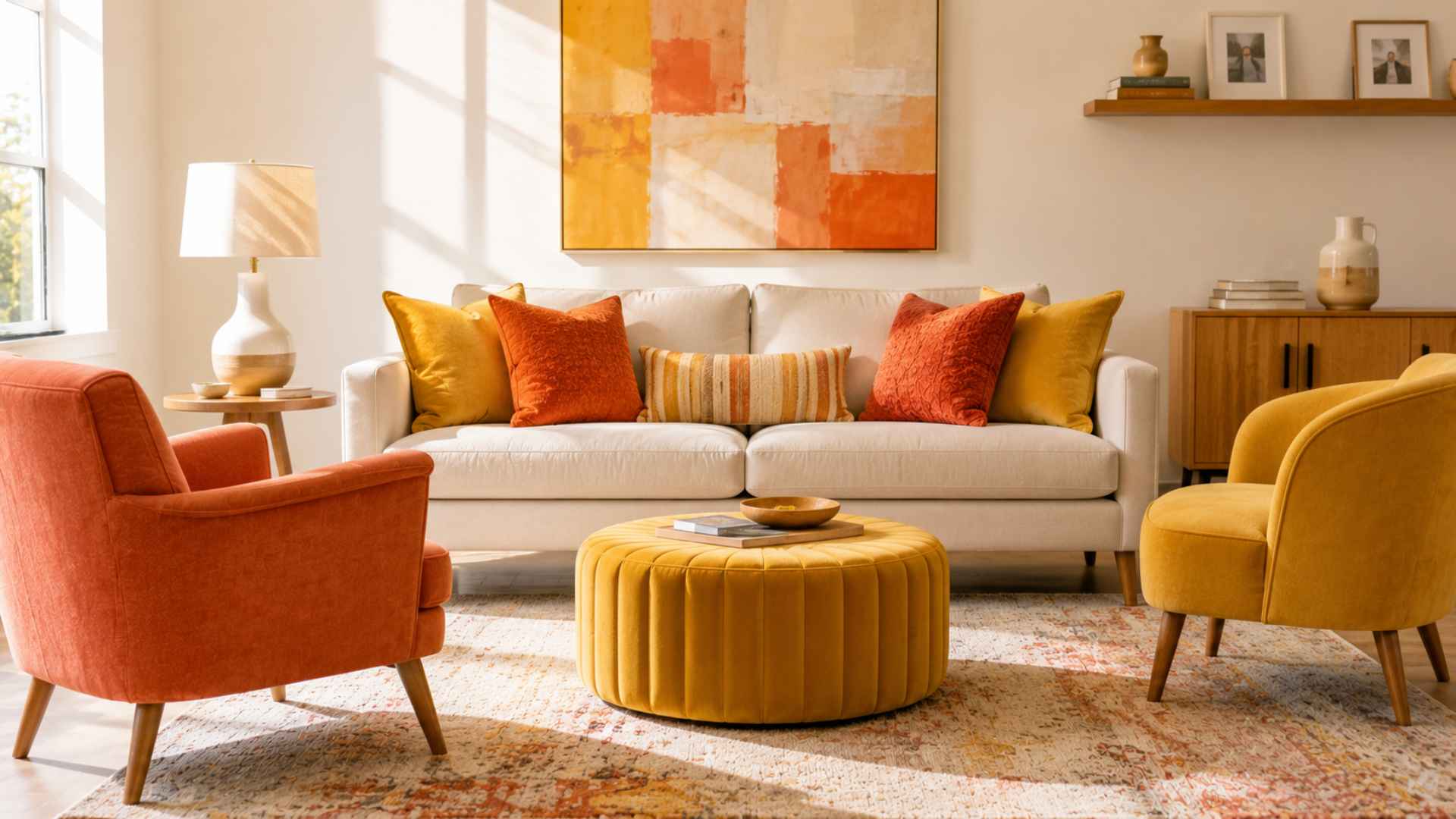
Mustard, coral, terracotta, these colors mimic sunlight, plain and simple. Stick a warm yellow ottoman in a room with limited window light and your brain reads it as sunnier than it is.
It’s a bit of a trick, honestly, but it works. Warm tones bring energy fast, so use them where a room feels sleepy or a little dead.
Deep Colors for Contrast
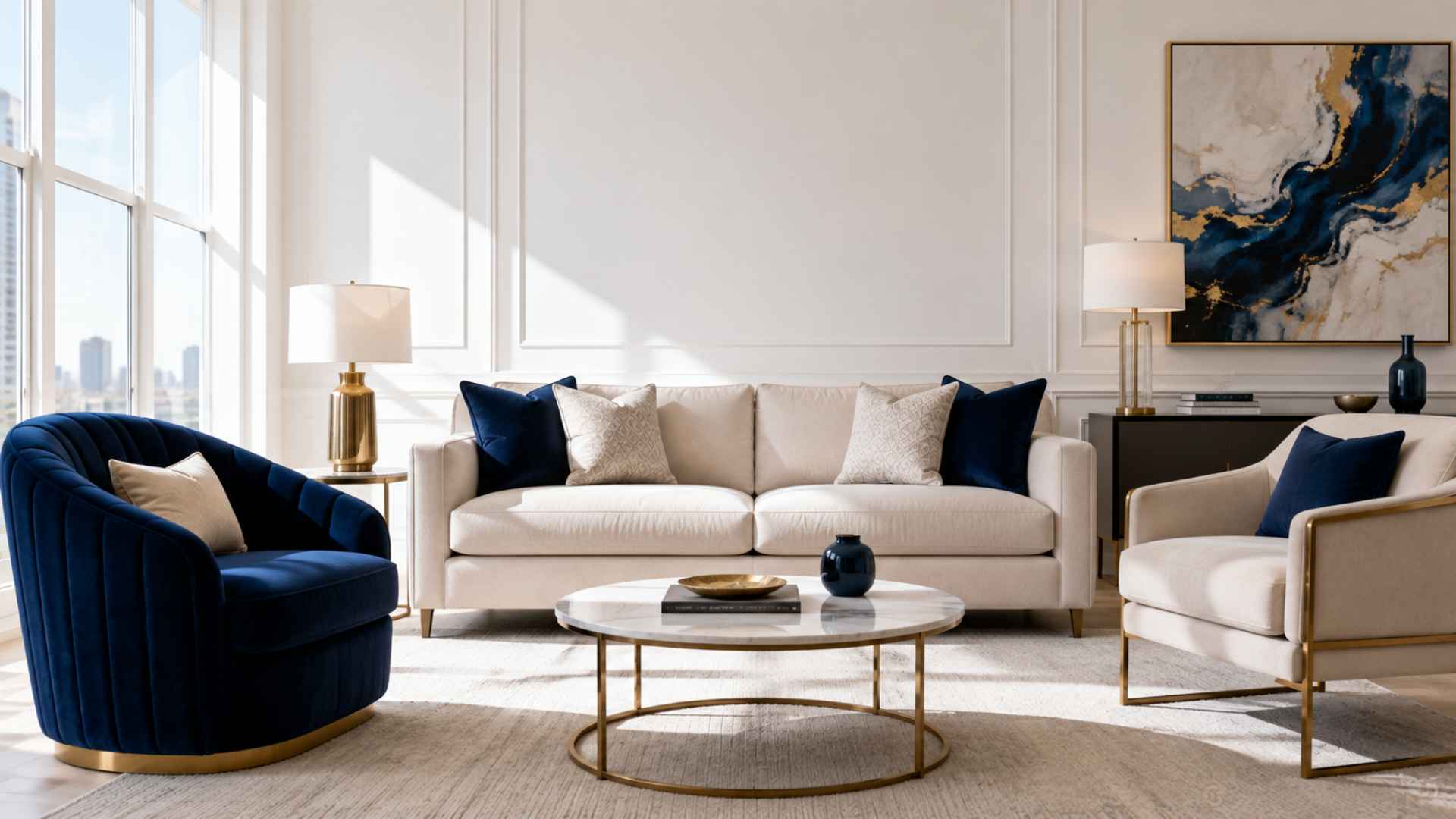
Here’s something people get wrong constantly. They assume every piece needs to be light colored to help a room feel brighter. Not true. One deep navy or emerald chair set against a white backdrop actually makes the lighter pieces around it look brighter by comparison.
Your eye reads brightness through contrast, not just raw color value. A dark statement piece done well pulls more visual weight than five pale pieces scattered around with nothing to anchor them.
How to Mix Different Furniture Colors Without Making the Room Messy
Start With One Main Color
Pick the color you’d be fine looking at every single day, since this is going on your biggest piece, usually the sofa or sectional. This becomes your anchor, and everything else in the room gets built around it.
Add One Supporting Color
Once that main color is settled, bring in a second tone through a chair, a rug, maybe curtains. The second color shouldn’t be a perfect match to the first. Some tension between the two is what stops the room from feeling like a matched furniture set straight off a showroom floor.
Use a Third Color as an Accent
This last layer is where multi colored furniture actually starts to feel intentional instead of accidental. A pillow, a lamp base, a small side table in something bold. Designers often talk about a rough seventy, twenty five, five split across your three colors, and it works because your eye needs a clear hierarchy. Without it, everything competes and nothing wins.
Easy Ways to Use Multi Colored Furniture
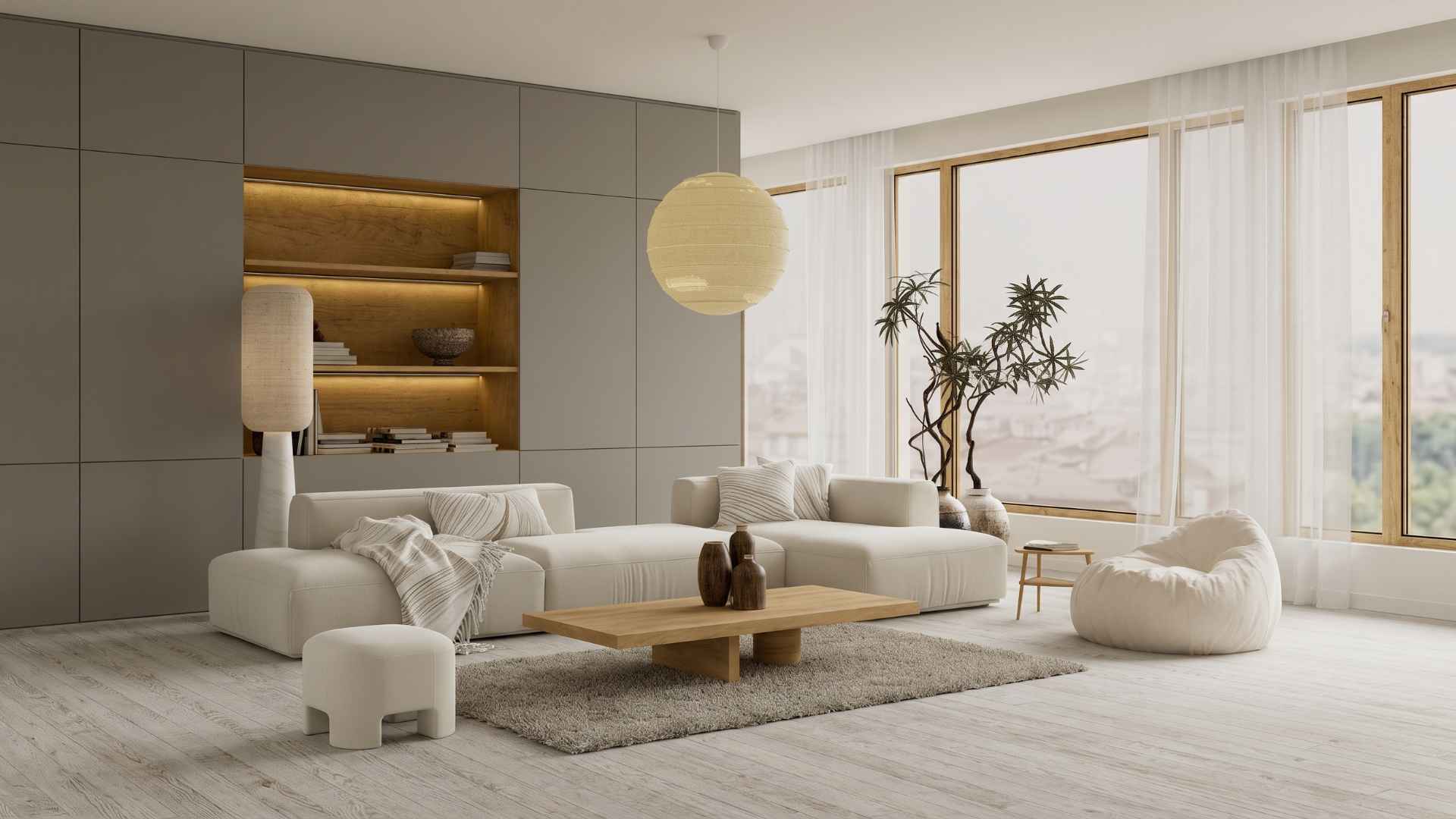
- Keep the sofa neutral and let a couple of colorful chairs do the talking instead. It’s an easy fix if you’re renting and don’t want to gamble on a bold sectional.
- A single colorful cabinet can carry an entire room on its own, no matching pieces required around it.
- Mismatched dining chairs are one of the fastest ways to bring colorful furniture into a space without redoing the whole room, and honestly, it reads as more collected than a matching set ever does.
- A bright ottoman is about as low risk as bold color gets. Swap it out later if you get tired of it, no harm done.
- Repeat one furniture color somewhere else in the room, a throw pillow, a piece of art, and suddenly the whole space feels tied together instead of scattered.
How to Use Colorful Furniture in Different Rooms
Living Room
This is where you have the most room to play, since a living room usually holds enough furniture to support three real colors without looking chaotic. A neutral sectional with two bold accent chairs and a patterned rug gives you that seventy, twenty five, five balance without much effort.
Bedroom
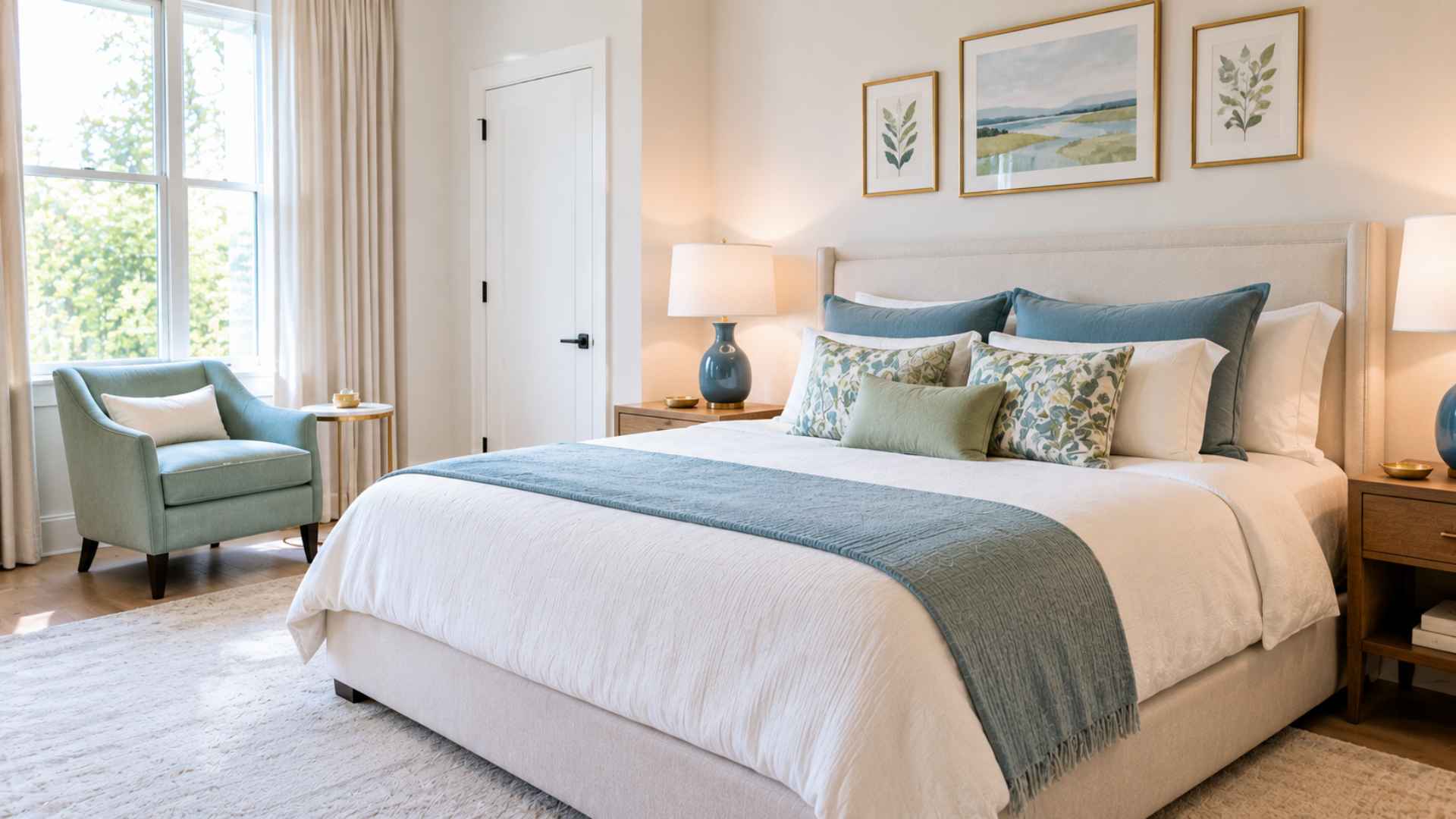
Go softer here. A blue or muted green accent chair tucked in the corner adds color without messing with the calm a bedroom needs at the end of a long day. Let bedding carry anything bolder if you want more punch.
Dining Room
Dining rooms can handle way more boldness than people assume, mostly because you’re not staring at the space for hours the way you would in a living room. Mismatched chairs around one neutral table create real visual interest and give the room a personality most matching sets never manage.
Home Office
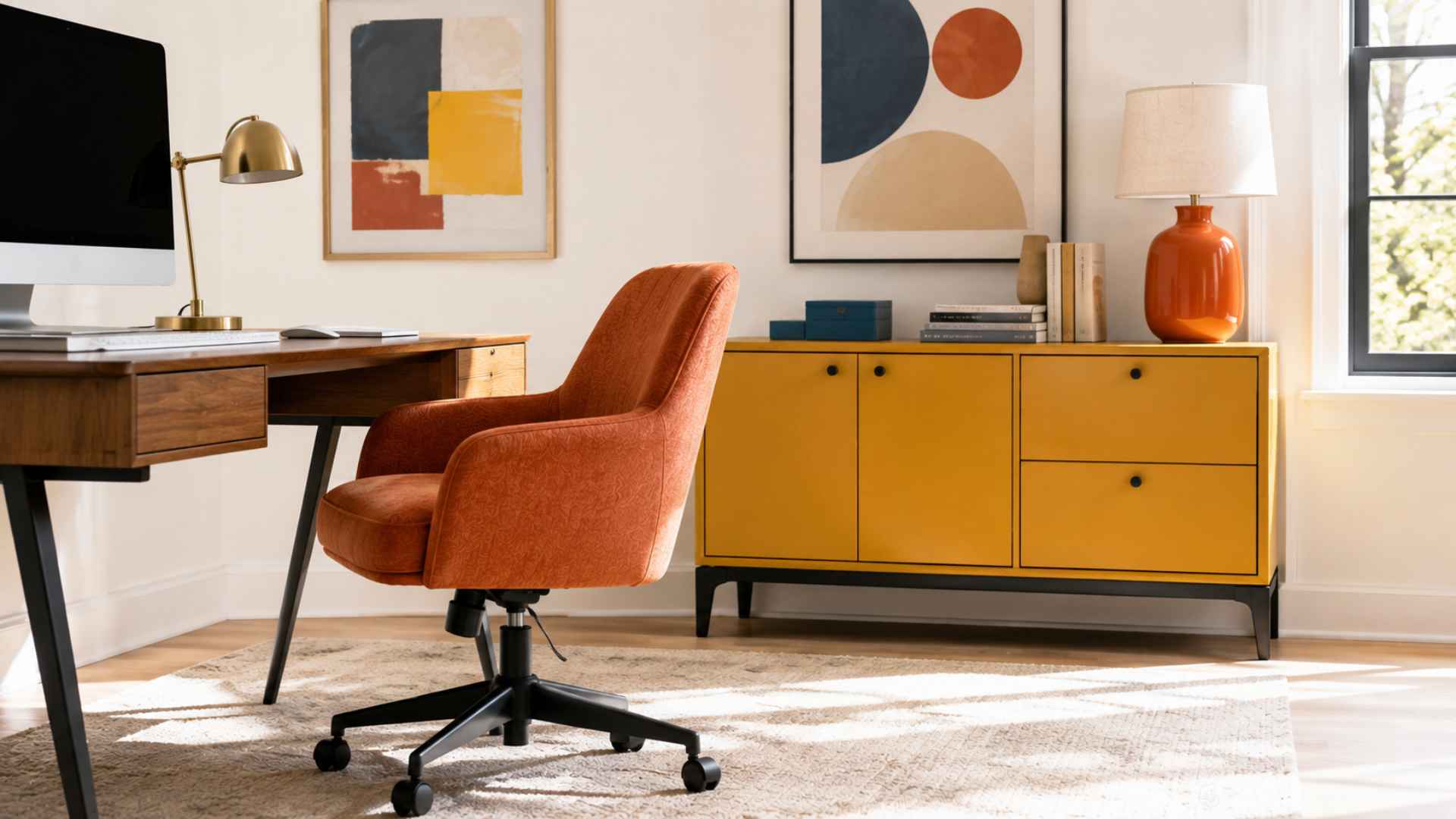
Warm tones do their best work here. A colorful chair or a bold storage piece keeps a home office from feeling like a sterile waiting room during those long stretches at your desk.
What to Avoid When Decorating With Multi Colored Furniture
The biggest mistake, and I see this constantly, is treating every single piece like it deserves equal attention. Five competing colors in one room stops looking designed and starts looking cluttered fast.
Stick with your main, supporting, and accent structure, and fight the urge to squeeze in a fourth bold color just because it looked good in the store. Watch your undertones too. A warm yellow and a cool blue crammed into a small space can clash harder than you’d expect, so test fabric swatches together in actual daylight before you commit to buying anything.
Frequently Asked Questions (FAQs)
What colors of furniture make a room look brighter?
White and cream reflect the most light by a wide margin. Soft blue and green come in right behind them for a fresh, open feel.
What is the best color combination for a bright living room?
A neutral base with one or two accent colors in soft blue, green, or warm yellow works across almost any living room, especially set against neutral walls.
Should furniture match the walls?
A bit of contrast between your furniture and your walls tends to add more depth than matching everything to the same shade, which can flatten a room out fast.
Can dark furniture make a room look brighter?
Yes, and it surprises people every time. One dark piece against lighter surroundings creates contrast, and that contrast makes everything around it read as brighter, even though the dark piece itself is absorbing more light than it’s giving off.
Wrapping Up…
Color pulls real weight in a room. It’s not decoration sitting on top of good design, it is the design. Getting the balance right between light and bold pieces changes how a space actually feels to live in, not just how it photographs. Multi colored furniture doesn’t demand a full gut renovation or some natural eye for design you don’t think you have. Pick one main color, add a supporting tone, finish with a confident accent, and you’ll realize brighten a room was never really about the paint can. It was the furniture sitting in it the whole time.