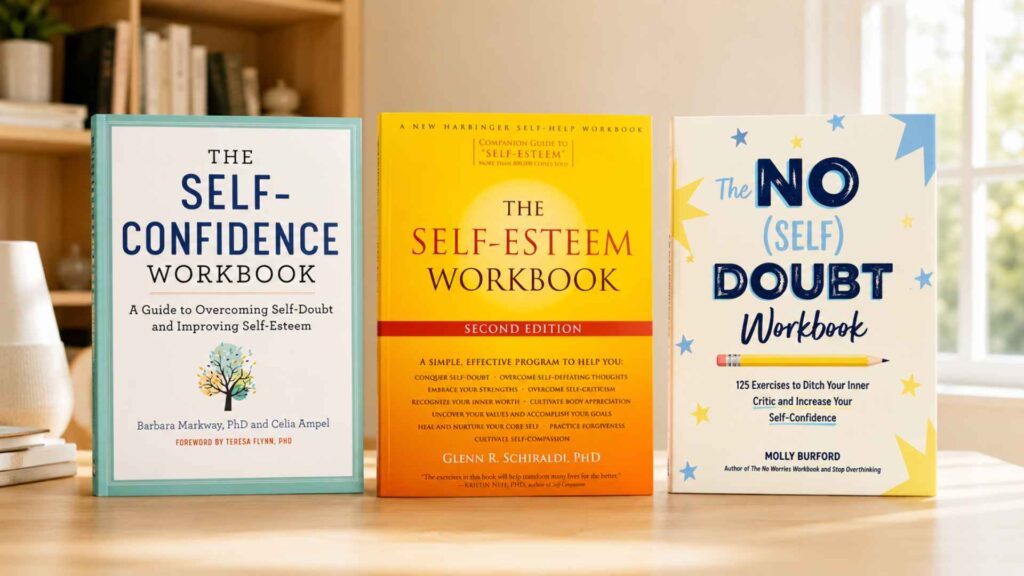

Self doubt rarely announces itself clearly. It shows up as hesitation before hitting send on an email, as over apologizing in meetings, as replaying a conversation from three days ago at 2am. A good self confidence workbook for adults won’t erase that voice entirely, though. The right one would indeed give you actual tools instead of vague encouragement.
We looked at five workbooks built specifically around this problem, comparing exercise formats, author credentials, and whether the content genuinely holds up for adult readers rather than reading like something lifted from a teen self help shelf.
What follows is a real breakdown of which confidence workbook for self doubt actually earns its spot on a nightstand, and which one fits your particular flavor of doubt best. Keep scrolling!
Table of Contents
What Makes a Good Confidence Workbook for Adults?

Your current age is a massive deal when you pick out a self-help guide. A workbook built for teenagers leans on school anxiety and peer pressure, neither of which maps cleanly onto job interviews, mortgage stress, or a divorce.
The best self confidence workbook picks include real adult scenarios, career setbacks, relationship doubt, the specific exhaustion of comparing your career to someone else’s Instagram feed.
Building true self-belief requires these actual scenarios instead of basic cheerleader talk. Ain’t no wrong way to set it up either. Some readers want short daily prompts they can knock out over coffee. Others want a full program with homework between chapters.
Neither approach is wrong, but knowing which one you’ll actually finish has much more to do than which confidence workbook for self doubt looks more impressive on a shelf.
5 Best Confidence Workbooks for Adults With Self Doubt
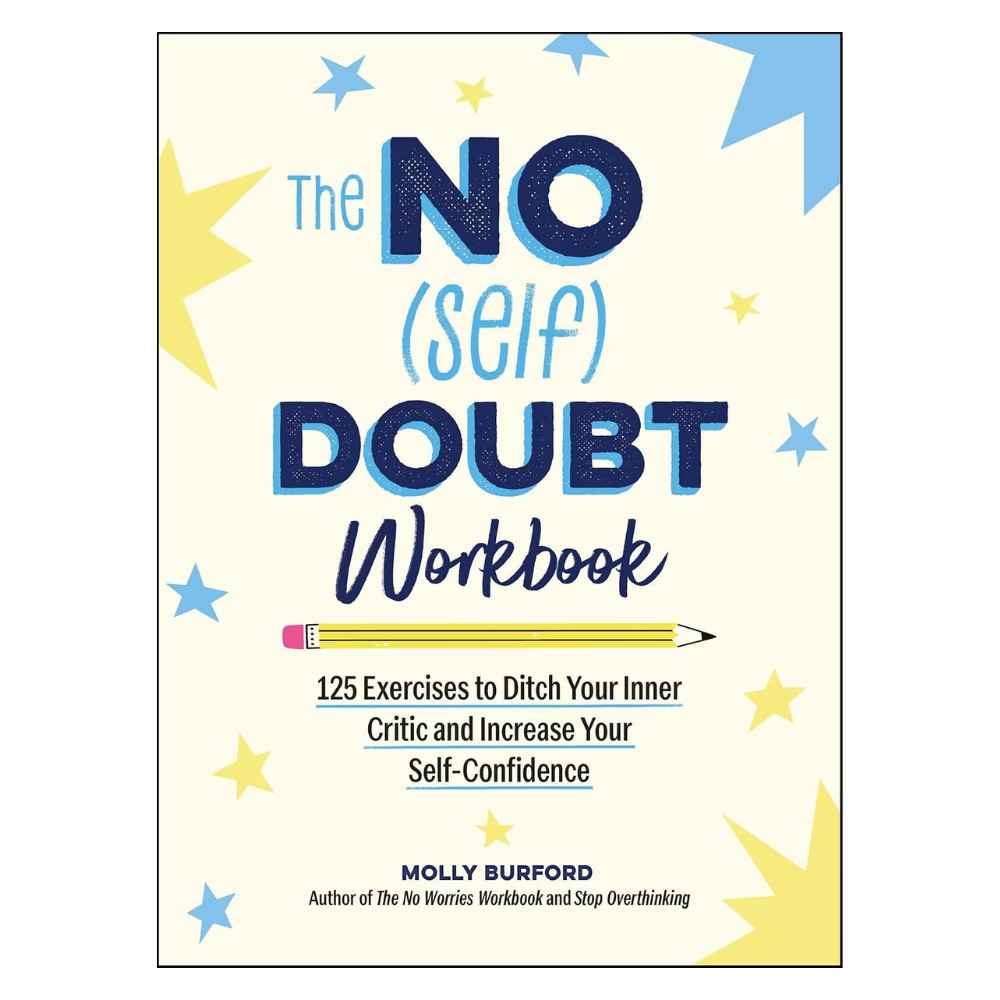
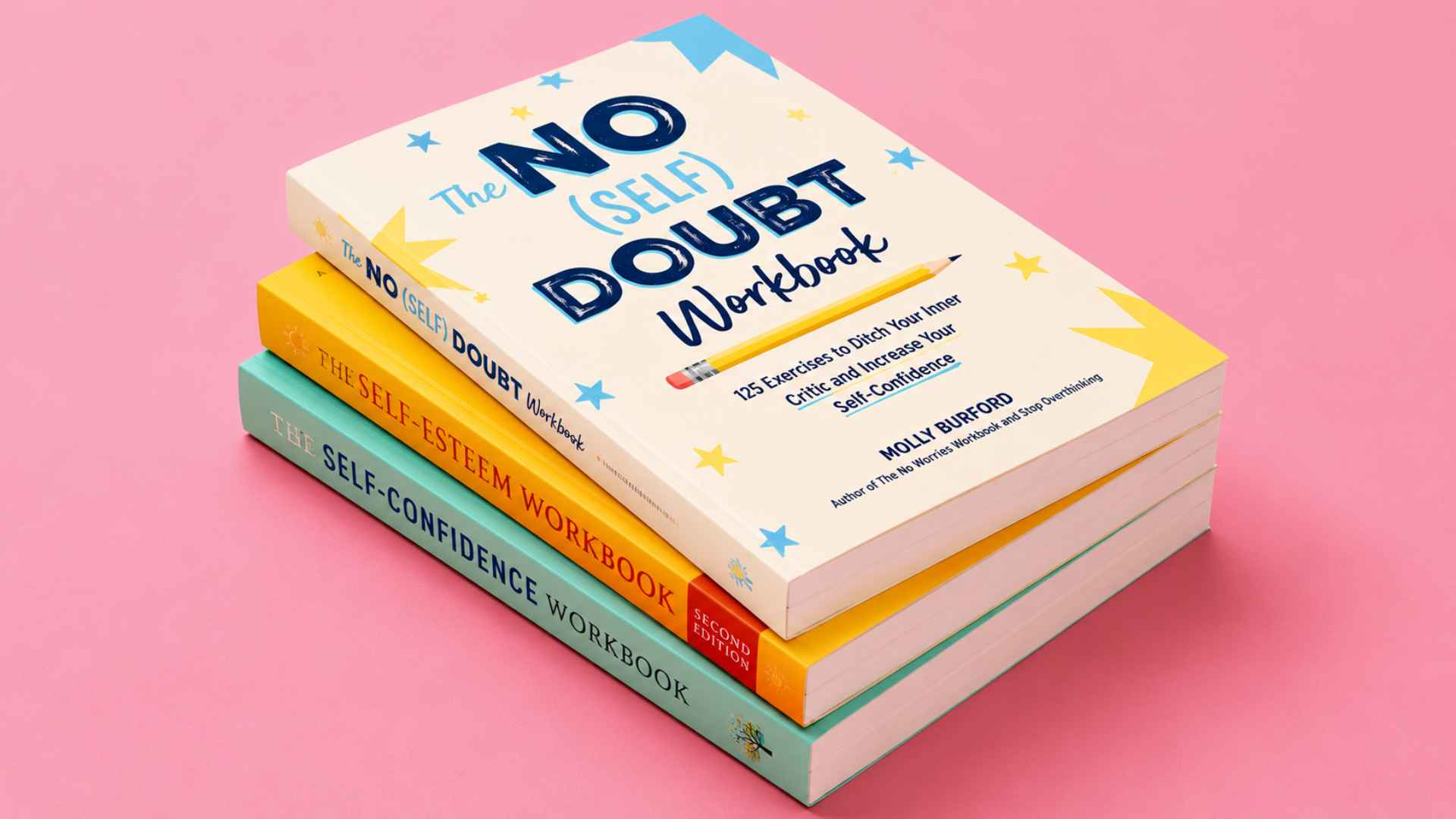
The No (Self) Doubt Workbook
- A practical guide to quieting the inner critic with simple exercises that help adults challenge self-doubt and build steadier confidence.
- Author: Molly Burford
- Best for: Adults who want a workbook specifically centered on self-doubt and the inner critic.
As a self doubt workbook, Molly Burford’s book runs on a genuinely simple premise, self doubt responds better to small, repeated action than to one big epiphany. The book packs in 125 exercises, and none of them demand more than a few minutes.
It’s pretty great, especially if your relationship with self help books has historically been buying them and never finishing chapter two.
The tone leans lighthearted, closer to a supportive friend than a therapist’s worksheet, but the substance is still there and it builds a positive mindset without ever feeling saccharine or forced.
Imposter syndrome gets direct attention, so does perfectionism, and a running compliment log gives readers something concrete to look back on during a bad week.
Where this confidence workbook really shines is accessibility. Nothing requires deep psychological background to complete, and the activities move fast enough that you’re not staring at a blank page wondering what a facilitator wants you to write.
For anyone whose inner critic runs loud but who bounces off dense, academic workbooks, this is genuinely useful for overcoming self doubt without needing that background first.
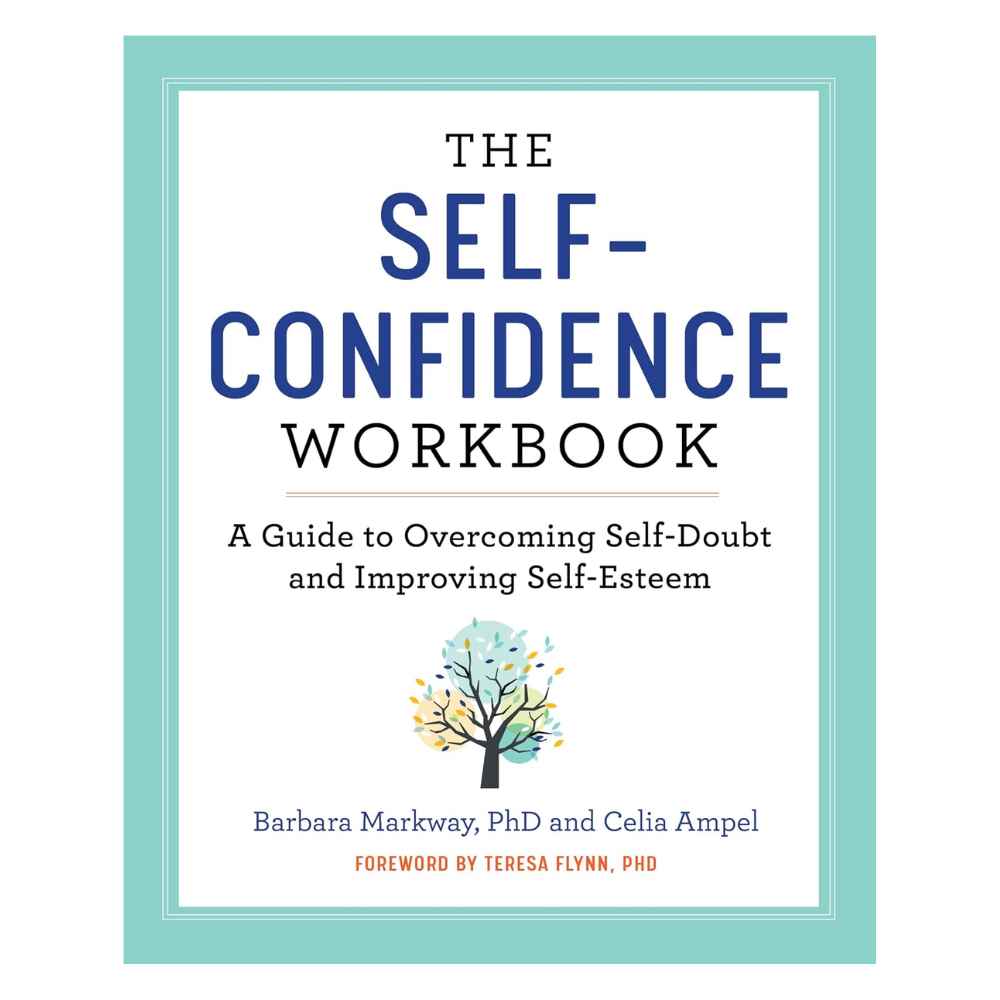
The Self Confidence Workbook
- A structured CBT-based guide that helps readers uncover negative beliefs, challenge unhelpful thoughts, and develop stronger everyday confidence.
- Authors: Barbara Markway and Celia Ampel
- Best for: Readers who want a more structured confidence-building program.
While the Burford book keeps your reading light, Barbara Markway and Celia Ampel take a much heavier path. They build a truly organized framework that relies on real Cognitive Behavioral Therapy (CBT) principles. You cannot just skim these chapters over a quick weekend. It is a guide you must work through slowly and carefully, but it rewards your focus.
What pulls this self confidence workbook ahead of cold medical texts is how fresh it feels. Actual self-esteem practice built around daily adult moments is much more helpful than basic happy quotes.
The authors discuss modern traps like social media exhaustion and bad news habits instead of decades-old issues. Brief stories with familiar people show the difference between scarcity and growth mindsets in a friendly tone.
Every chapter finishes with deep questions that find the actual source of your negative beliefs. It demands real dedication from you, but if you want to fix your inner thoughts, this book is the best tool.
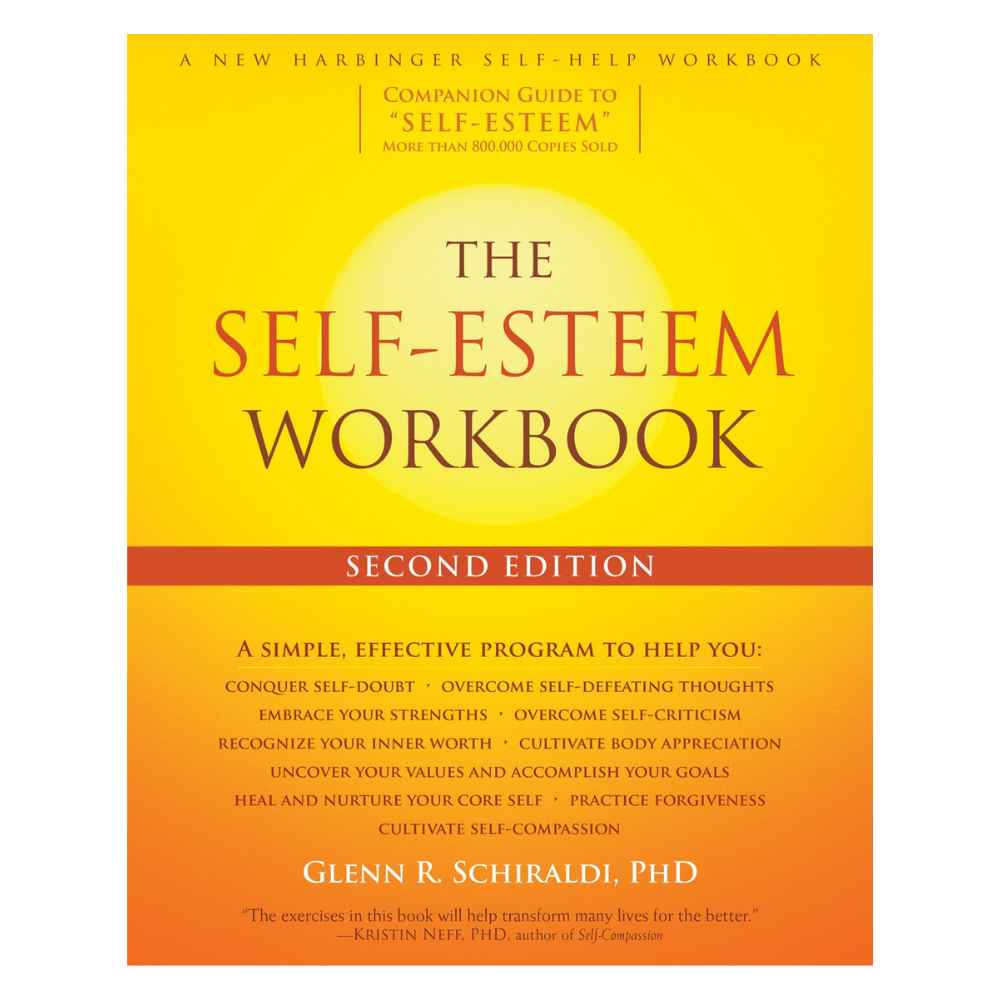
The Self Esteem Workbook
- A deeper workbook focused on self-worth, automatic thoughts, and self-acceptance for adults who want lasting change beyond surface-level confidence.
- Publisher: Glenn Schiraldi
- Best for: Adults whose confidence struggles are closely connected to low self-esteem.
Confidence and self worth aren’t identical, and Glenn Schiraldi’s workbook, published through New Harbinger, treats that distinction seriously. His core argument is that healthy self esteem needs roots, a stable sense of unchanging human worth beneath the surface level wins and losses that shift week to week. The deeper goal here is genuine self acceptance.
The section on Automatic Thoughts, starting around page 40, does the heaviest lifting in the whole book. It walks readers through just how pervasive these distorted, split second judgments actually are, and just how silly they sound once written down and examined directly.
This isn’t a book you finish and set aside. Schiraldi frames it explicitly as a skill book, something meant to be practiced over an extended period. Progress here tends to happen at irregular intervals, but readers who stick with it consistently report a genuinely different outlook by the end.
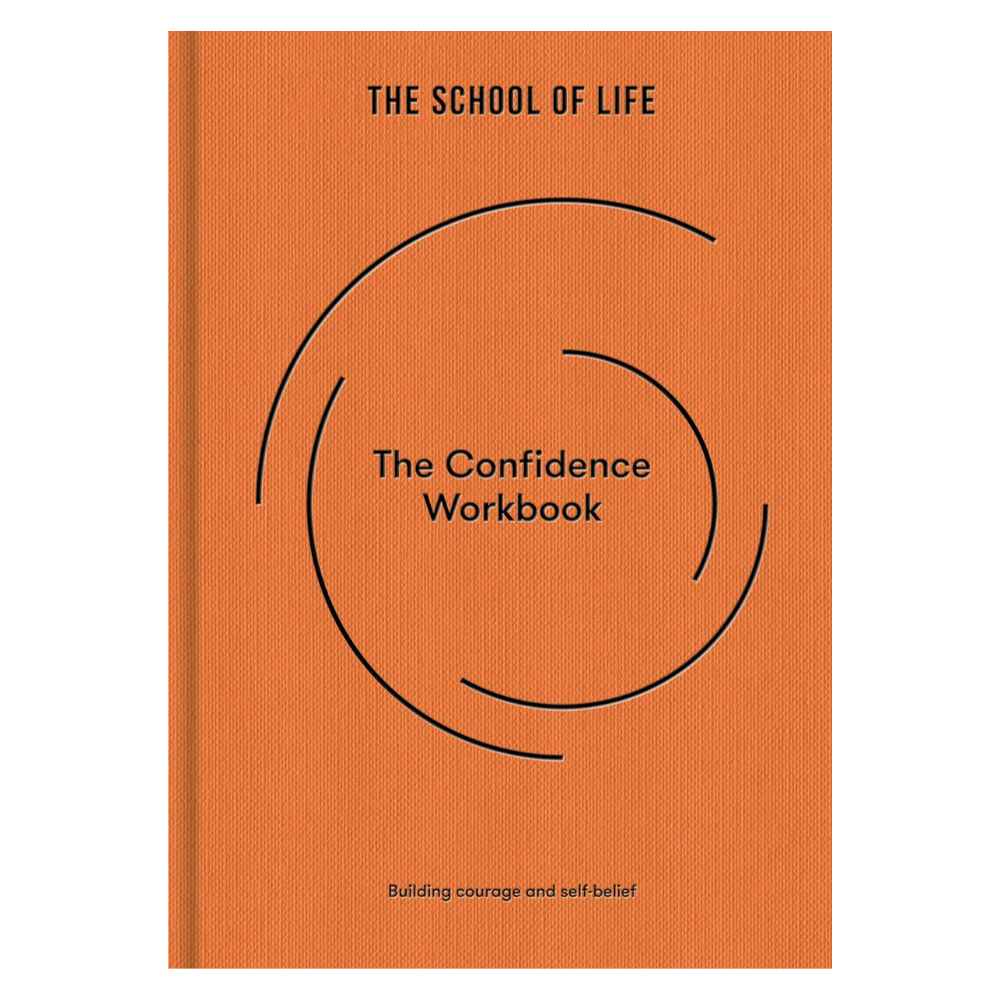
The Confidence Workbook
- A thoughtful guide to confidence across work, relationships, and daily life with practical exercises that encourage greater self-awareness and personal growth.
- Publisher: The School of Life
- Best for: Readers looking for practical exercises covering different parts of adult life.
We often wonder why people freeze up at their jobs, duck tough talks with their spouses, or hide in crowds when they have so much value to share. The creators at The School of Life designed this specific workbook to address that exact issue.
The pages open with a deep self-image review that checks your early upbringing. It looks at whether your parents backed your dreams and if you truly like who you are today. Next, you dive into over fifty personal growth tasks spread across different parts of your daily routine.
The sections split into childhood memories, corporate jobs, romance, raising kids, and a topic the book calls healthy selfishness. This wide span is the true benefit here. Your personal trust never stays completely level. It changes constantly based on which part of your life you are dealing with today.
At 180 pages, the book feels short and never wastes your time. Buyers say the drills feel highly practical and deep instead of basic filler lines. If you want to fix your focus across your whole life, this best self confidence workbook is a top choice on our list.
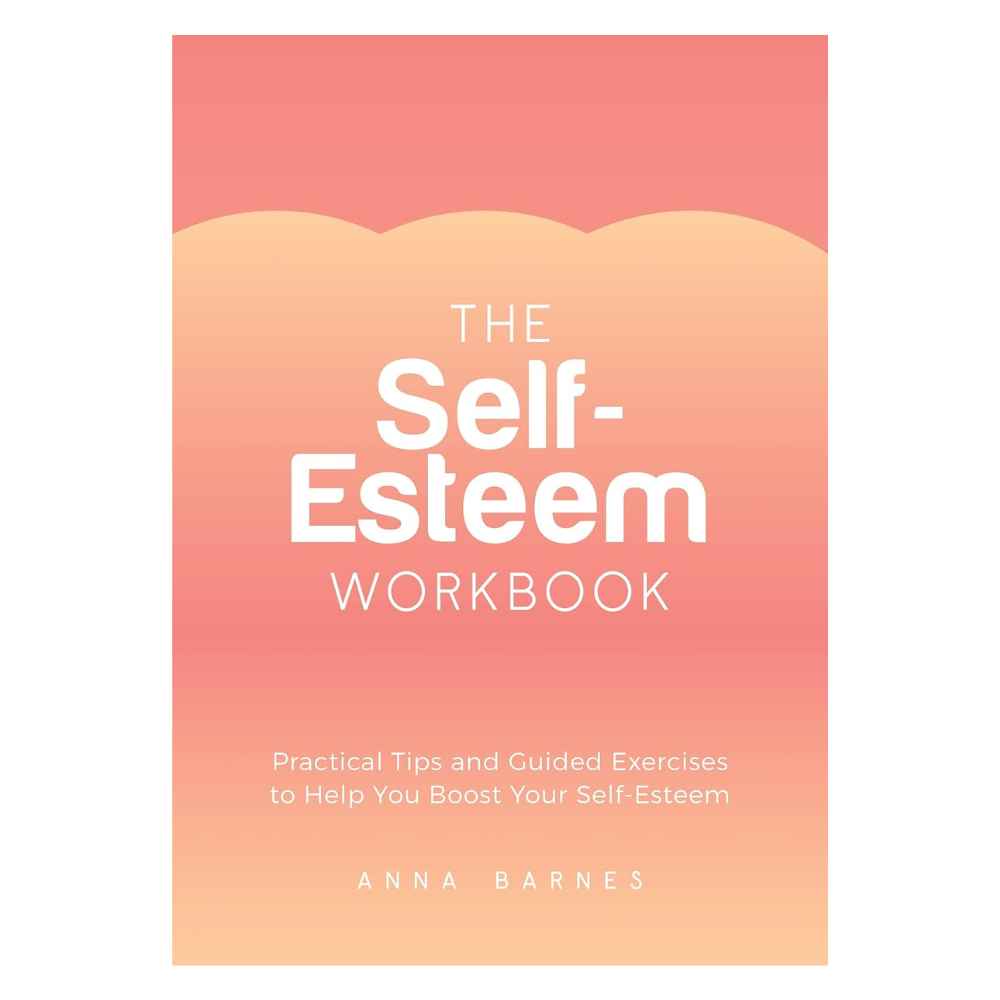
The Self Esteem Workbook by Anna Barnes
- A gentle CBT-inspired workbook with guided exercises and practical habits for adults who want to strengthen self-esteem at their own pace.
- Publisher: Anna Barnes
- Best for: Readers who prefer a lighter, guided workbook format.
Some readers want a workbook they can use entirely on their own, others want something that pairs naturally alongside actual therapy. Anna Barnes designed this edition to serve both paths. She bases every single task on Cognitive Behavioral Therapy (CBT) methods that any working counselor will instantly recognize.
The rhythm stays completely relaxed on purpose. It allows you to tackle the daily prompts at a speed that fits your schedule instead of forcing a strict calendar. Along with the writing drills, the book delivers excellent tips on sleep, routines, and tiny habits.
It shows exactly how these factors change your self-image over the months. The tasks stay fixed in true science instead of empty slogans. At 160 pages, it feels tight and packs real authority. If you need a self confidence workbook that matches your therapy homework, you could buy this one.
Our Research Process
Genuine personal growth requires more than motivation alone, so we compared these five best confidence workbook for adults picks based on author background, publisher reputation, actual exercise content, and how consistently each one shows up in real reader discussions.
New Harbinger and Summersdale both carry solid reputations in the psychology publishing space specifically, which factored into our confidence in the clinical accuracy behind each book’s exercises.
Finding the best self confidence workbook really comes down to matching format to how someone actually engages with self help material, so we also looked at page count against realistic completion time, since a workbook nobody finishes doesn’t help anyone.
We paid attention to which confidence workbook for self doubt picks people mentioned returning to repeatedly versus which ones got shelved after the first few pages.
What Should You Look for Before Buying a Confidence Workbook?
A genuinely good workbook for adults checks these boxes before you buy:
- Specific problem: Does it actually address your type of self doubt?
- Exercise format: Are there enough activities to keep you engaged?
- Depth: Do you want quick prompts or a structured program?
- Adult relevance: Do the examples relate to real adult situations?
- Format: Paperback, digital, printable, or journal style?
- Commitment: Will you realistically use it several times a week?
Can a Confidence Workbook Really Help With Self Doubt?
A solid confidence workbook for self doubt works by giving structure to self reflection that most people never get around to doing on their own, though it’s worth being honest about the mechanism.
A workbook doesn’t erase self doubt through willpower or motivation alone. Writing down a distorted thought and examining it directly tends to weaken its grip in a way that just thinking about it silently rarely does.
Self confidence exercises built around CBT specifically have real research support behind them, cause identifying and challenging automatic negative thoughts is a well documented technique in clinical psychology.
What a workbook can’t do is replace professional support for deeper, longstanding patterns tied to trauma or clinical anxiety.
Frequently Asked Questions (FAQs)
What is the best confidence workbook for adults?
It depends on what’s actually driving the doubt. For direct, bite sized self doubt work, Molly Burford’s book wins. For a full structured program, Markway and Ampel’s workbook goes deeper. There’s genuinely no single best self confidence workbook for every reader, the right pick depends on how much structure you want and which specific issue is loudest right now.
What is the difference between a confidence and self esteem workbook?
Confidence tends to focus on specific abilities and situations. It could be either public speaking, or decision making, or even handling conflict. Self esteem runs deeper, since it addresses your overall sense of worth independent of performance or outcome.
How often should you use a confidence workbook?
Two to three times a week tends to work better than a single long session. It’ll help you build consistency over time.
Can journaling help build confidence?
Research on expressive writing consistently links regular journaling to reduced anxiety and improved self awareness, both of which support a steadier sense of confidence over time. Whether you call it a confidence journal or a structured workbook, the mechanism is the same.
Wrapping Up…
There’s no single confidence workbook for self doubt that fits every reader, and that’s actually good news. Turns out, you can pick based on your specific situation. Want something light and fast paced? Start with the Burford book. Want a full structured program? Go with Markway and Ampel. Whichever you choose, the real work happens in actually opening it consistently. Self doubt rarely disappears overnight, but a good workbook gives that self belief somewhere productive to go instead of just running in the background.