
Overthinking has a way of trapping the same three thoughts on a loop for hours, and most people never actually get them out of their heads.
Writing it down is one of the few things that genuinely helps, since the act of writing out a thought leaves time to let the wheels turn instead of spinning endlessly.
A good self-reflection journal does more than give you blank pages. It gives your overactive mind somewhere specific to land.
We’ll cover the best self-reflection journal for overthinkers currently available, based on research into what actually works for people trying to calm an overactive mind.
Table of Contents
How We Choose the Best Self-Reflection Journals – Our Research Process
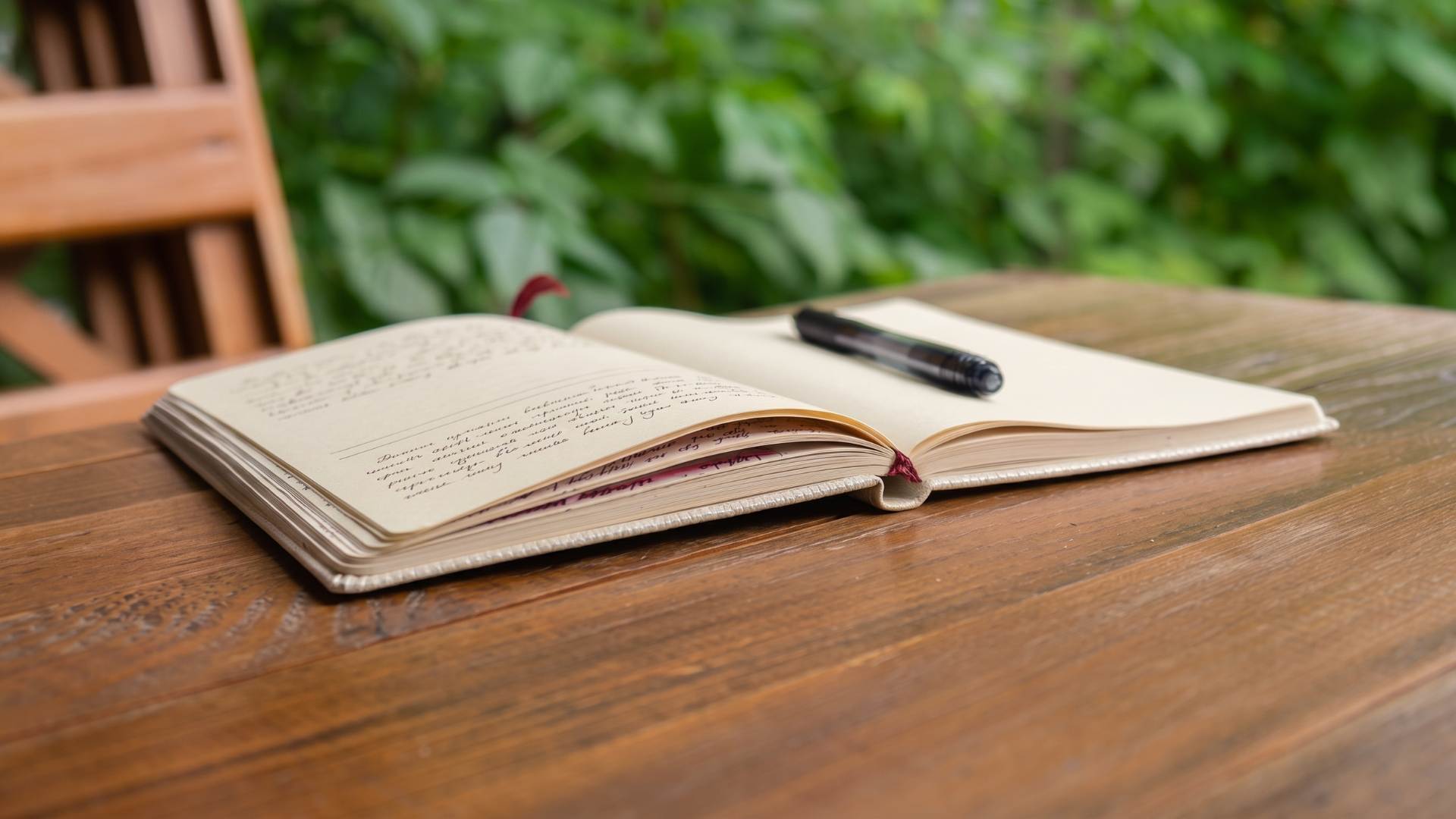
To find the absolute best journals for an overactive mind, we had to look past slick marketing pages. Our team spent days digging into deep Reddit threads, checking Quora debates, and hanging out in online writing groups. We wanted to see what real people had to say after months of daily use. It turns out that chronic overthinkers make the best reviewers. They dissect every little detail because they use these pages to process heavy emotional clutter. Their raw feedback carries serious weight.
We looked at dozens of different options to find books that take out the stress of writing. A giant stack of blank pages sounds great at first. But then you sit there stressing over how to start. We focused heavily on structured journal prompts, open calendar setups that do not punish you for missing a day, and tough covers that survive daily wear. We took out the duds and picked five clear winners.
5 Best Self-Reflection Journals for Overthinkers
Let’s Get Real Guided Journal
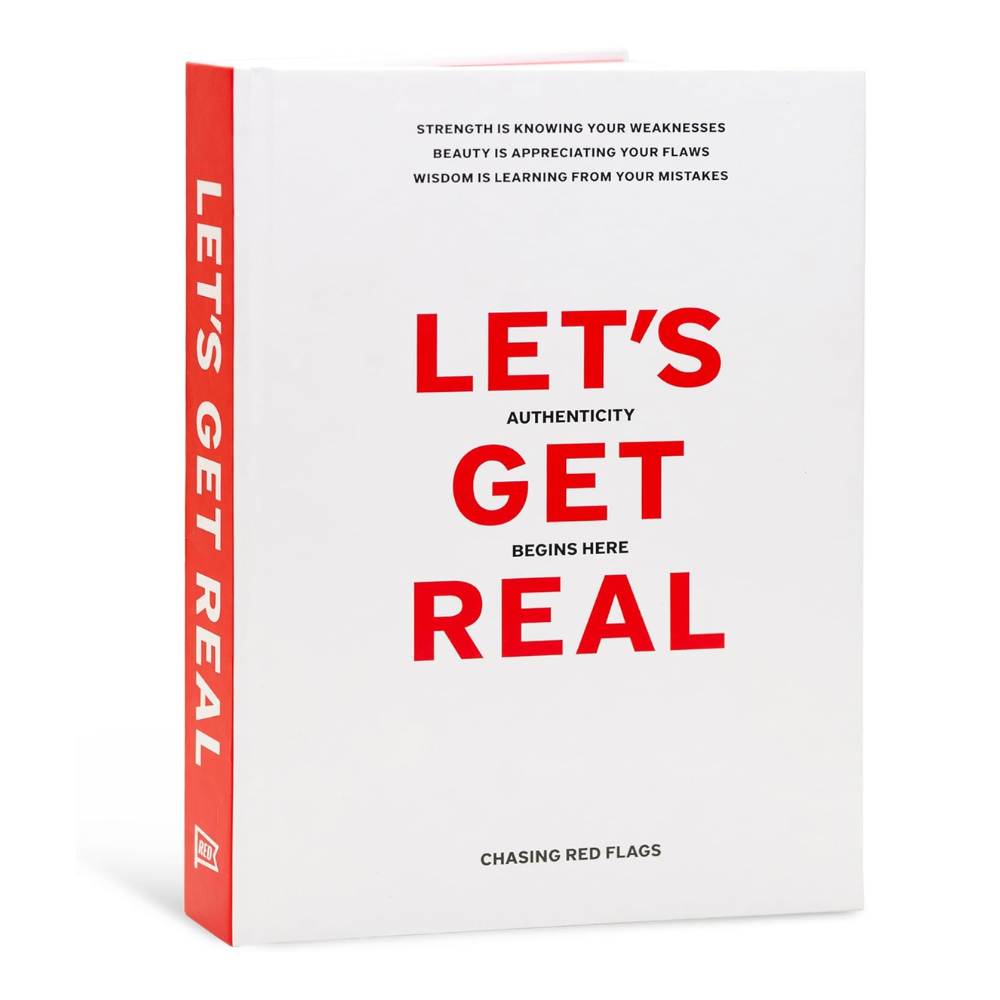
Let’s Get Real Guided Journal
- Beautifully designed hardcover journal with thoughtful prompts, motivational quotes, and coloring pages that encourage deep reflection, emotional healing, and lasting clarity.
Best For: Deep Therapeutic Reflection
This journal is physically gorgeous, sturdy on the outside and deeply meaningful on the inside. There’s clearly so much thought that went into the design, from the hardcover build to the layout of each individual page. At 364 pages and A5 sized, it gives you a genuine long term companion.
What separates this from a lot of competitors is how the prompts are structured. They’re short, which reduces the mental friction of getting started on a day when your brain already feels overloaded.
Reviewers have found the value to be so worthwhile precisely because the questions help you figure out who you are and uplift your spirit. The undated, low pressure format means skipping a few days never turns into guilt. It helps enormously for anyone whose overthinking already includes self criticism.
The paper quality holds up well, easy to write on with minimal bleed through, and the hardcover looks clean and minimal on a shelf or nightstand. Between the coloring pages, motivational quotes scattered throughout, and thought provoking questions, this journal earns its place as one of the strongest options for anyone doing serious mental health journal work.
The Five Minute Journal
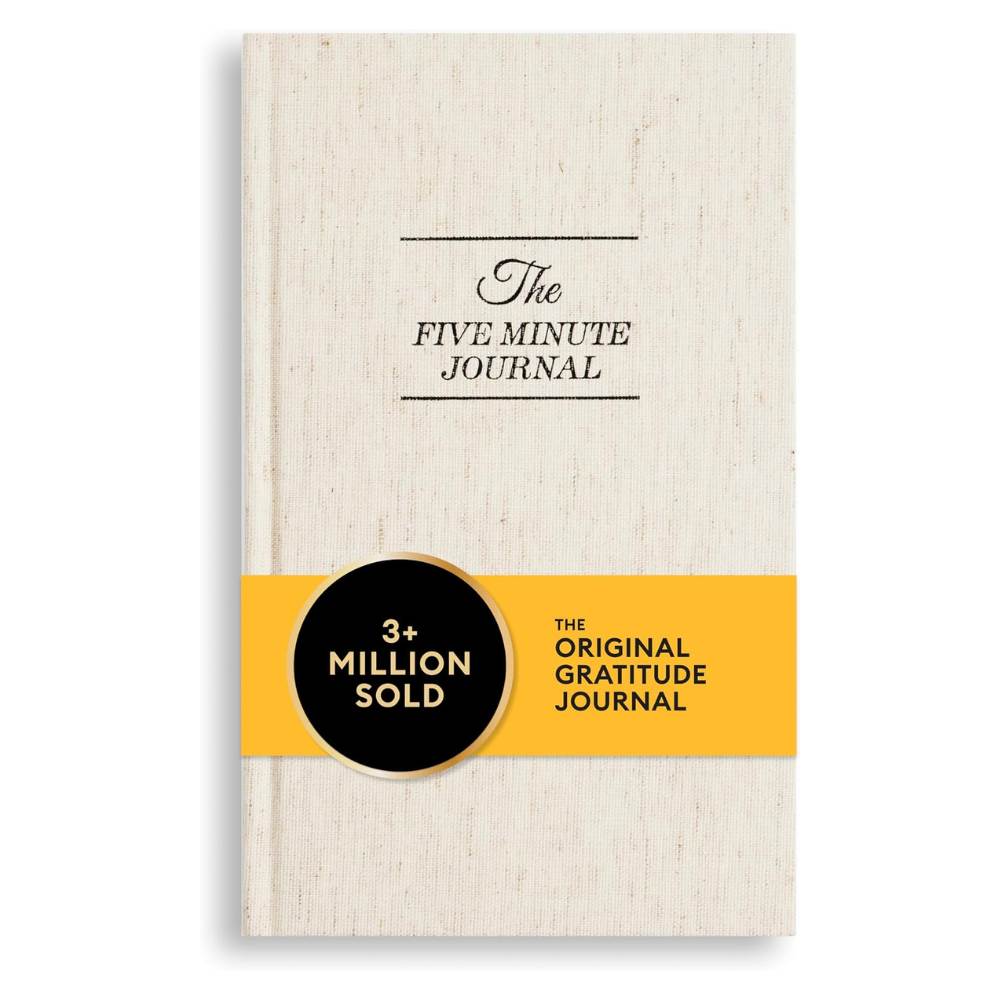
The Five Minute Journal
- Simple five minute morning and evening routine with guided prompts that builds gratitude, positive habits, and consistent daily self-reflection.
Best For: Quick Daily Check-Ins
If you tend to freeze up the moment a project feels overwhelming, this best self-reflection journal for overthinkers tackles that issue head-on. The entire process takes just five minutes. You can put a timer on it if you need hard proof. The layout breaks down into two quick parts. You get a morning check-in and an evening review. The morning requires three brief notes and the night takes two.
The real highlight comes from the weekly challenges scattered throughout the pages. These small prompts nudge you to think about topics that break your usual mental loops. For instance, one daily section asks what would make your day great.
This question forces you to focus on tiny, doable actions instead of massive goals. Instead of writing down a giant chore list like hitting the gym, you write down a note to move your body. Instead of promising to scrub the whole kitchen, you promise to spend a little time tidying up. It functions as a gentle promise to yourself instead of a harsh rule.
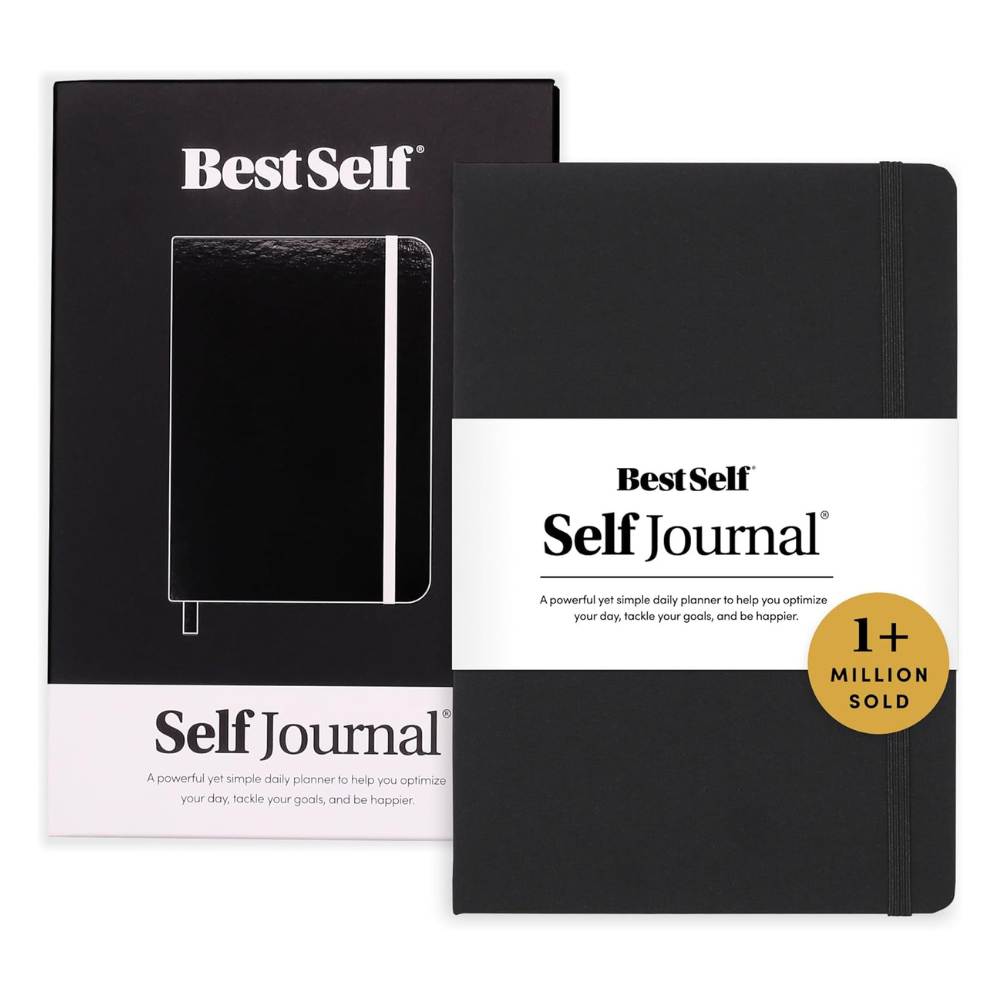
BestSelf Self Journal
BestSelf Self Journal
- Science backed 13 week planner combining goal setting, habit tracking, and weekly reflection to turn scattered thoughts into meaningful personal progress.
Best For: Overthinkers Who Also Struggle With Follow-Through
This journal moves past simple daily diaries and delivers a complete 13-week goal setup. It works incredibly well for people who obsess over massive plans but struggle to start. The focus layout treats racing thoughts gently. That specific design naturally benefits anyone whose mind spits out ideas faster than they can actually handle them.
Along with standard habit logs and gratitude notes, the pages nudge you to focus heavily on future milestones. You get dedicated spots for life lists and personal goals. These benchmark sections split into health, wealth, career, relationships, personal growth, and peace of mind. The setup, in turn, brings order to ideas that usually stay messy and repetitive. Covering 13 weeks gives you a fresh strategy to watch your habits without making the book feel like a lifetime chore. Because the pages are undated, you can jump in right now instead of waiting for a fresh week or a new month.
If your anxiety stems from staying productive or constantly fixing yourself, this personal growth journal takes that nervous energy and builds a reliable framework. It keeps your mind clear instead of letting things spiral out of hand on a daily basis.
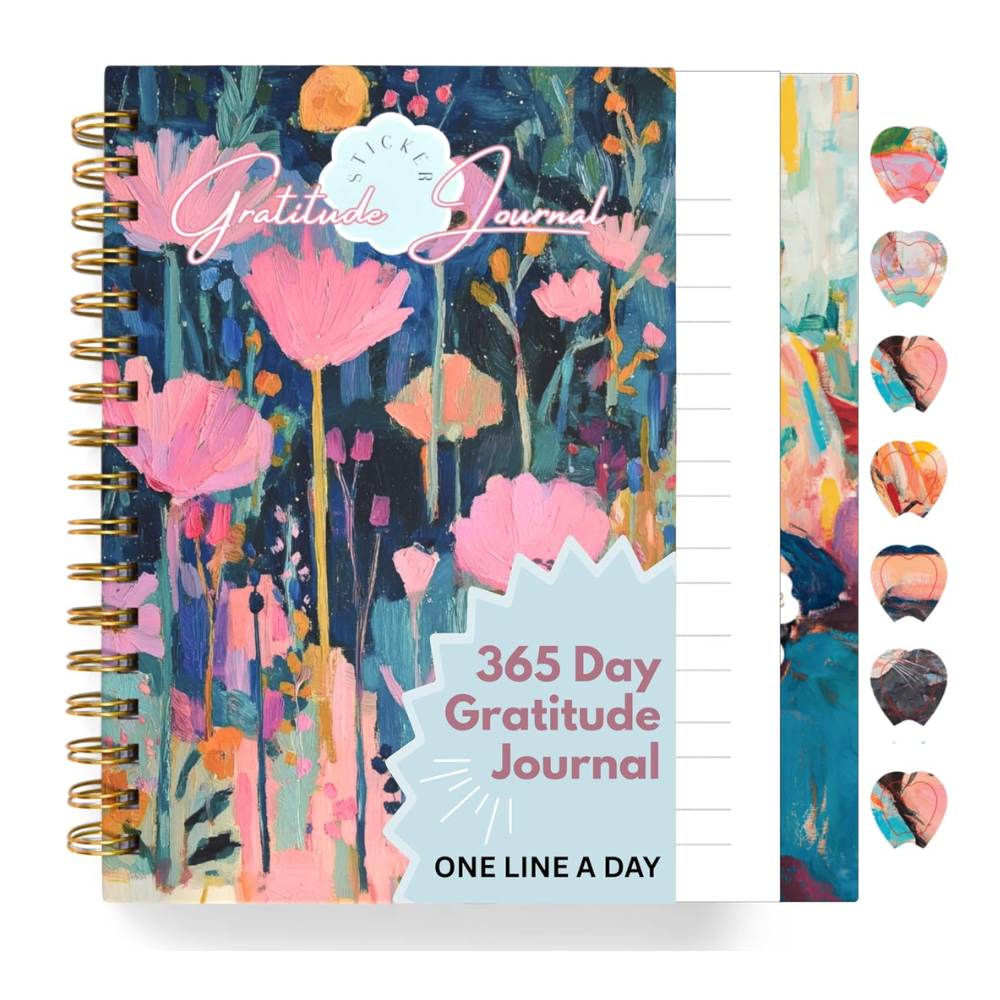
One Minute Gratitude Journal
One Minute Gratitude Journal
- One line daily gratitude journal with fun monthly stickers that makes consistent journaling simple, rewarding, and easy for overwhelmed minds.
Best For: Overthinkers Who Feel Overwhelmed by Writing
Sometimes the barrier to journaling isn’t motivation, it’s the sheer size of the blank page in front of you. This self-reflection journal takes off that barrier entirely. It’s so incredibly simple, asking you to think of just one thing to be grateful for each day, nothing more. For an overthinker who talks themselves out of starting because a full page feels like too much, one line is genuinely achievable on even the hardest days.
The sticker element adds something most gratitude journals skip. Each puzzle piece centers the mind and is a fun touch, and putting the stickers in every day to build a picture across the month adds a small, satisfying visual reward that plain writing alone doesn’t provide. The cover is beautiful, and the extra ideas section helps on days when you genuinely cannot think of anything, which happens to everyone eventually.
At 112 pages and a compact 6×9 inch spiral bound format, this is the lowest commitment option on this list. It makes it a smart entry point for someone who has never journaled consistently before and wants proof that the habit is manageable before investing in something more involved.
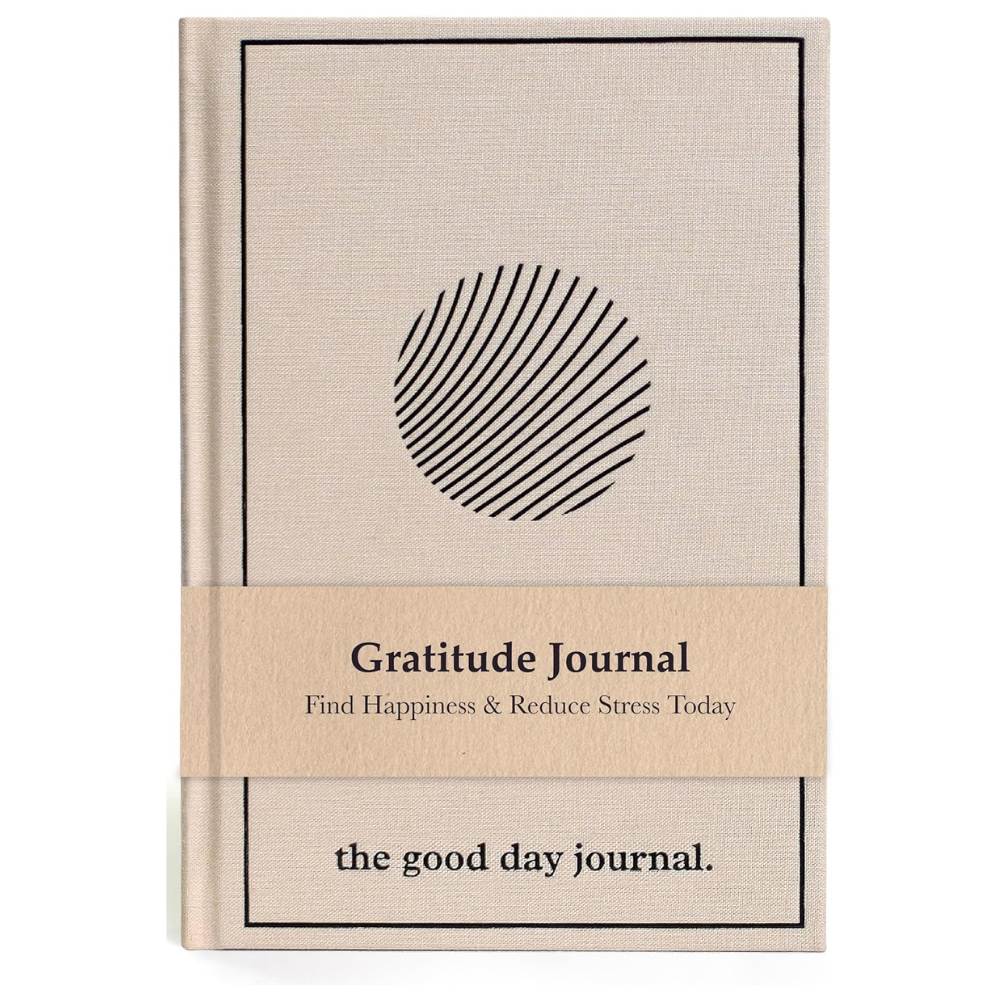
Anecdote Gratitude Journal
Anecdote Gratitude Journal
- Elegant linen style journal featuring structured prompts that inspire gratitude, healthier thinking, and sustainable journaling through a beautiful daily writing experience.
Best For: Overthinkers Who Want a Structured Aesthetic Experience
This self-reflection journal features a wonderful color palette in person. It feels great to leave it resting on your workspace. Em, the actual mechanics behind the look are what earn it a top recommendation here. We love how straightforward the template is without feeling cold.
The check-ins take very little effort to complete, even on days when clear focus feels out of reach. The daily questions push you to analyze your gratitude, targets, and perspective in unison. Users call the book a roadmap for a better, more successful life. The overall value heavily outweighs the cost for people who bought it thinking it was a standard diary. Everything from the linen binding to the paper stock pulls you in with incredible style and smart advice.
With over 250 pages, it offers enough runway to build a real habit. Besides, the structure is consistent enough that overthinkers who need predictability to actually stick with something can rely on it. This is a journal you can actually stick with, which, for anyone who has abandoned a dozen journals before, is the whole game.
What Makes a Good Journal for Overthinkers?
- Guided Questions: Open blank pages create decision fatigue for overactive minds, so specific prompts remove that barrier entirely.
- Daily Check-Ins: A consistent, brief daily structure builds the habit without demanding hours of writing every session.
- Space for Free Writing: Some days call for guided prompts, others call for getting a specific thought out of your head completely unstructured, so the best journals leave room for both.
- Habit Tracking: Watching small patterns build over weeks gives overthinkers something concrete to see, more than just focusing on using the journal to fix my flaws.
- Reflection Exercises: Dedicated space to revisit past entries helps you see progress as a whole rather than fixating on any single bad day.
- High-Quality Paper and Binding: A journal that falls apart within weeks undermines the whole point, since consistency depends partly on the object itself feeling worth returning to.
How to Choose the Right Self-Reflection Journal For Overthinkers

Guided vs Blank
Fully guided journals work best for overthinkers who get stuck staring at empty pages, since a specific question narrows the flood of thoughts into something answerable. Blank or semi guided journals suit people who already know how to direct their own reflection and just need the space to do it. Most overthinkers benefit from at least some guidance, particularly early on.
Time Commitment
Be honest about how much time you’ll realistically spend daily. A five minute format like the ones covered above tends to outperform a lengthy guided journal for building consistency, since overthinkers are especially prone to abandoning anything that starts to feel like a chore rather than a relief.
Physical Feel and Portability
A journal you actually want to pick up matters more than people admit. Paper texture, cover material, and overall size all affect whether the object stays on your nightstand within reach or gets buried in a drawer after week two.
Tracking Evolution
Some journals include space to look back on previous weeks or months, which genuinely helps overthinkers recognize their own progress rather than assuming they’re stuck in the same place forever. That visible evidence of change is often the single most convincing argument against the anxious voice telling you nothing is improving.
Benefits of Using a Self-Reflection Journal
- Reduces racing thought loops
- Improves emotional self awareness
- Builds a consistent mindful routine
- Helps identify recurring anxiety triggers
- Creates a private outlet for feelings
- Supports better conflict resolution habits
- Encourages small daily wins
Frequently Asked Questions (FAQs)
What is the best journal for overthinkers?
The right choice depends on how much structure you need. A journal for overthinkers that includes short, specific prompts tends to work better than a blank notebook, since it cuts off the pressure of deciding what to write during a moment when your mind is already overloaded.
What’s the difference between a gratitude journal and a self-reflection journal?
A gratitude journal focuses specifically on identifying positive moments. It helps counter the negativity bias that overthinking often feeds on. A self-reflection journal covers broader emotional processing, including difficult feelings, conflict, and personal growth, not just gratitude.
Is a paper journal better than a journaling app?
A physical journal removes the distraction risk that a phone or app inevitably introduces. The tactile act of writing by hand has also been linked to slower, more deliberate processing of thoughts compared to typing, which suits the goal of actually working through overthinking.
Wrapping Up…
Overthinking rarely resolves itself just by thinking harder about the thing you’re already overthinking. A genuine best self-reflection journal for overthinkers gives that spinning energy somewhere specific and productive to go, whether that’s through short daily prompts, gratitude tracking, or deeper guided questions. Pick a journal for overthinkers that matches your actual time and energy, not the version of yourself you wish existed, and give it a real chance to become a habit rather than another abandoned notebook.