
During university, I was balancing coursework, freelance writing orders, and the constant low-level worry about money that comes with being a student trying to build something on the side. The financial pressure was real, and the inconsistency of freelance income made it worse. Some months were fine. Others were tight enough that anxiety became a daily companion.
There were stretches where consistent work, deadlines, and the fear of losing momentum pushed things into something closer to depression than stress. In many cases, anxiety is manageable without medication or clinical intervention when the right daily habits are in place. With my personal experience and research, i’ll share 14 concrete ways to calm anxiety naturally at home that I have found useful, and that the research consistently backs.
Table of Contents
14 Ways to Calm Anxiety Naturally at Home
1. Focus on Your Breathing
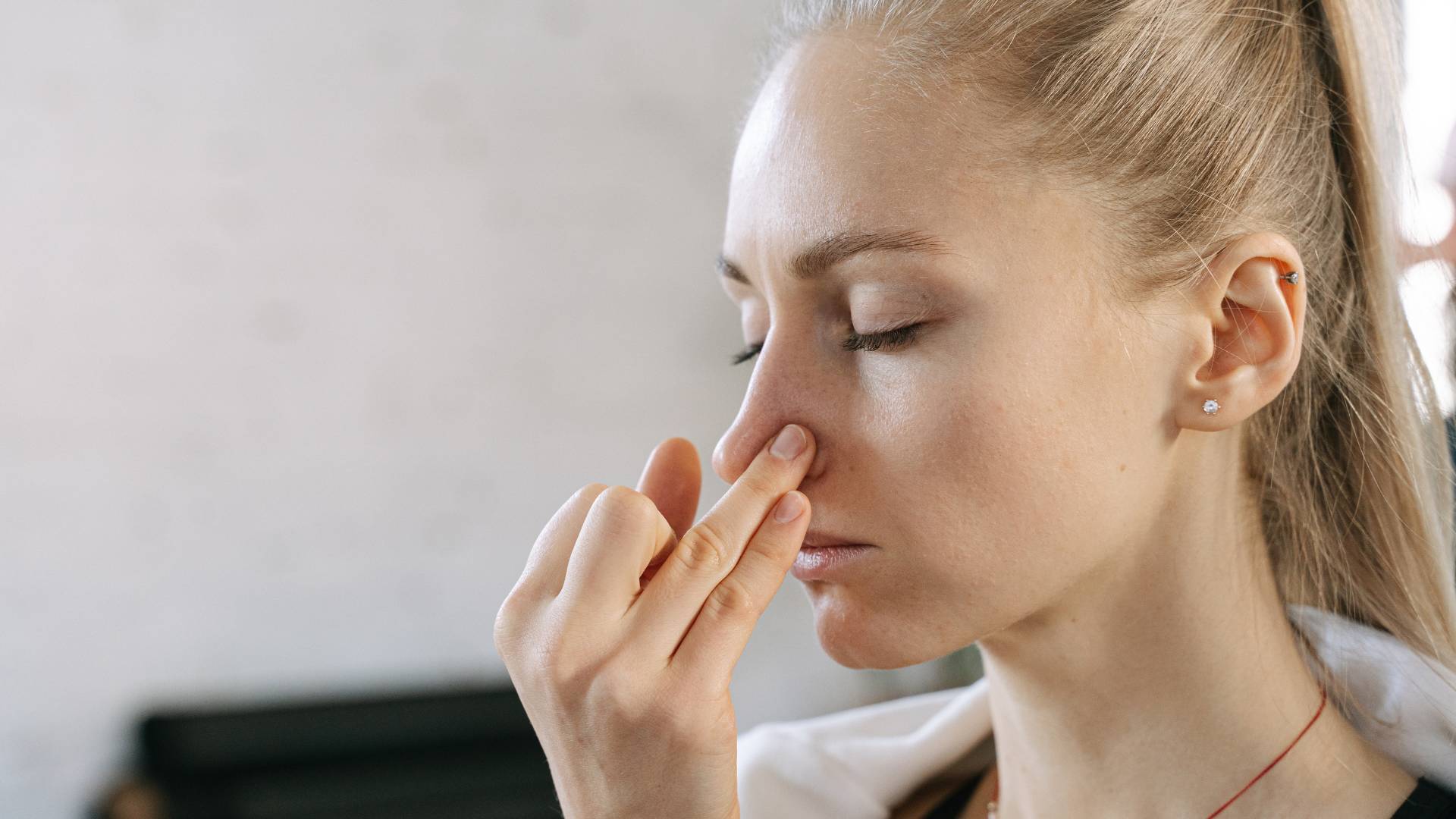
Deep breathing is the fastest tool available for calming an activated nervous system because it directly influences the autonomic nervous system response. When anxiety rises, breathing becomes shallow and rapid, which signals the brain to stay in a threat-detection state. Slowing and deepening the breath reverses that signal. The 4-7-8 method, inhaling for four counts, holding for seven, exhaling for eight, has been consistently recommended by researchers and clinicians for immediate anxiety management techniques because it activates the parasympathetic nervous system within a few cycles.
A 2017 study published in Frontiers in Psychology found that slow-paced breathing significantly reduced anxiety, negative affect, and cortisol levels compared to control conditions. You do not need an app or a class to access this. Three to five minutes with deliberate attention on the breath is enough to shift your state.
2. Get Up and Move Your Body
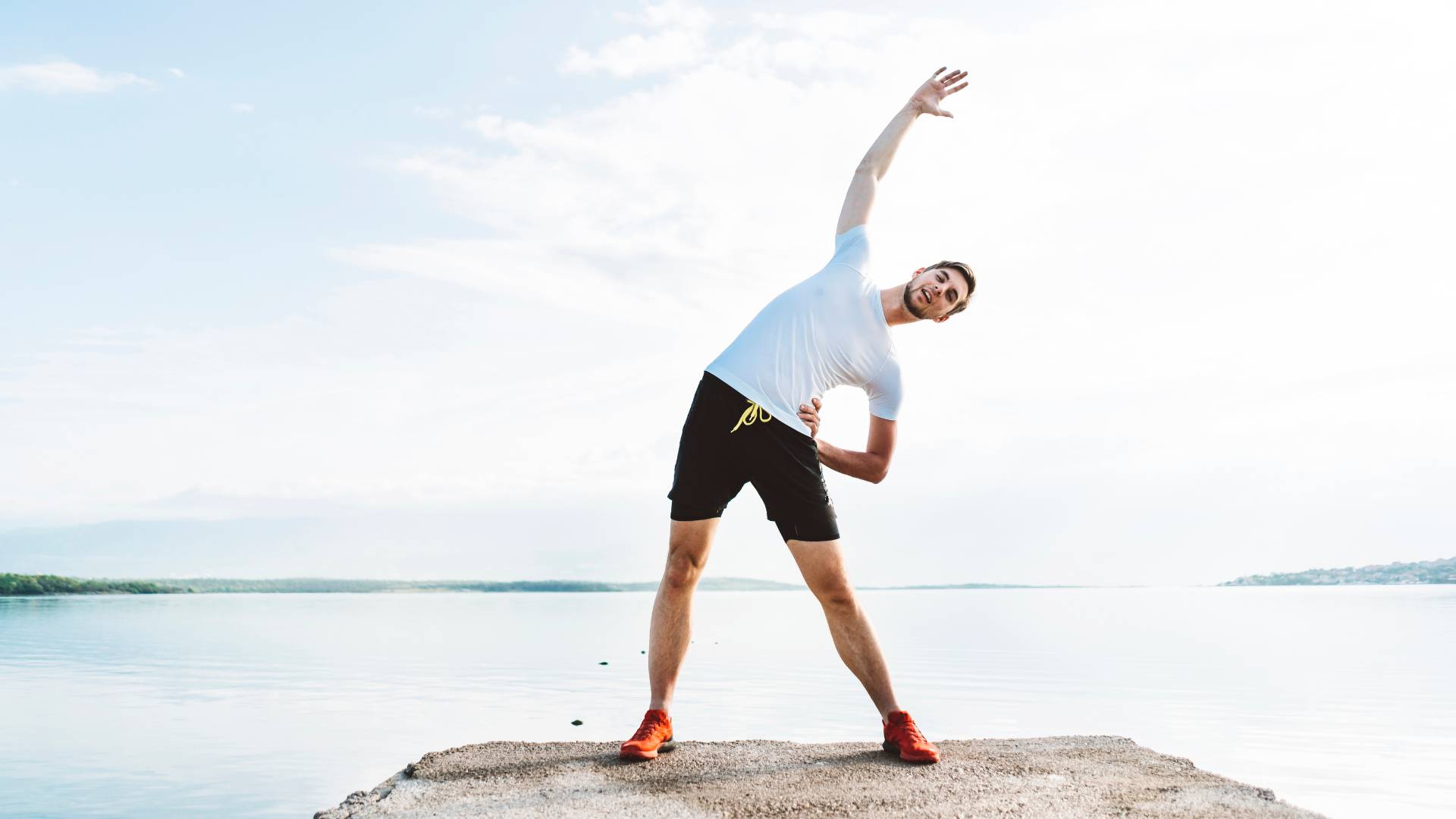
Exercise is one of the most well-documented natural anxiety relief strategies available. A meta-analysis published in Anxiety, Stress, and Coping found that both aerobic and resistance exercise produced significant reductions in anxiety symptoms across diverse populations. Movement burns off the physiological activation that anxiety creates, including excess cortisol and adrenaline, and replaces it with endorphins and serotonin that produce a measurable mood lift.
The workout does not need to be intense. A 20-minute walk outside at a brisk pace is enough to calm anxiety naturally at home and on its surrounding block. The consistency of the habit matters more than the intensity of any individual session.
3. Spend Less Time Consuming Negative News
The news cycle is designed to hold attention, and it does that most effectively through urgency and threat. For someone already managing anxiety symptoms, regular exposure to a stream of negative and alarming content keeps the nervous system in a low-level activation state that makes it harder for the natural calm state to reassert itself. Setting defined news consumption windows, once in the morning and once in the evening, reduces the cumulative threat-signal load across the day without cutting out the information entirely.
4. Cut Back on Caffeine
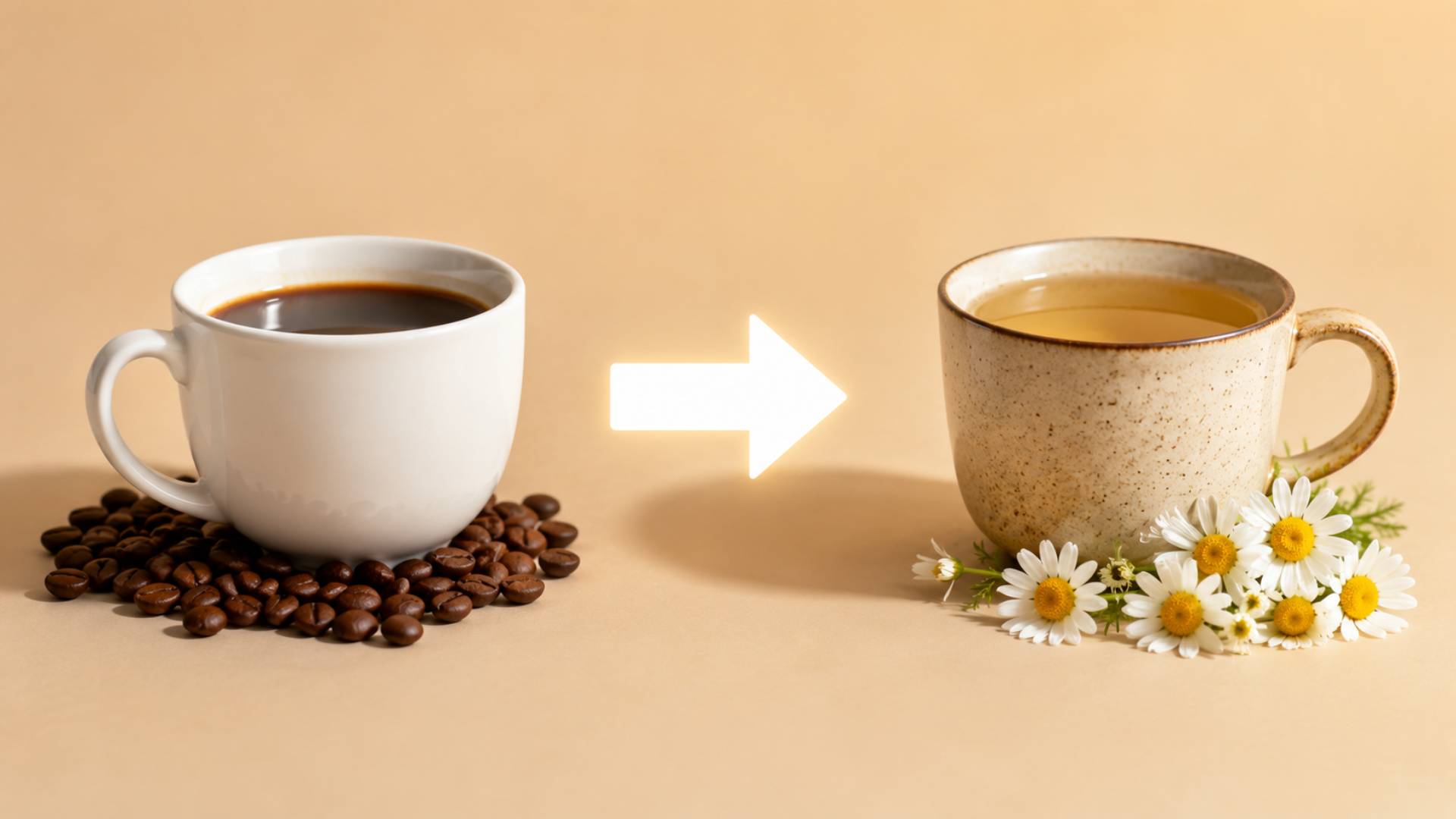
Alcohol, caffeine, nicotine, and vaping can all heighten anxious feelings in ways that are direct and physiological. Caffeine is a stimulant that increases heart rate, raises cortisol, and directly mimics several of the physical sensations associated with anxiety.
For anyone whose anxiety includes a physical component such as heart racing, chest tightness, or restlessness, cutting back on caffeine is one of the most impactful single changes available. Switching to half-caf or replacing afternoon coffee with herbal tea reduces the stimulant load without requiring complete elimination for most people.
5. Create a Consistent Sleep Routine
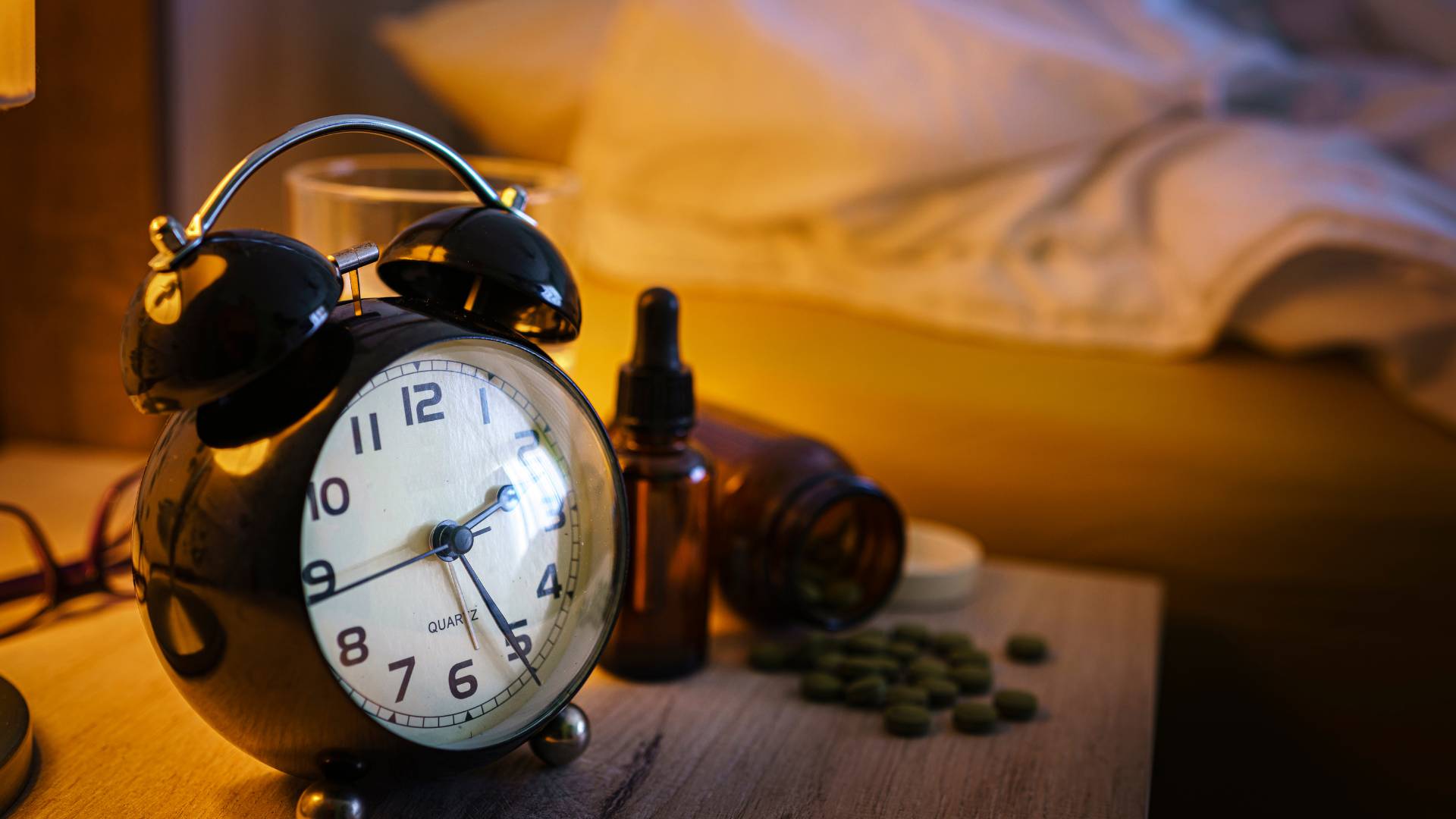
The relationship between sleep and anxiety runs in both directions. Anxiety disrupts sleep, and poor sleep amplifies anxiety the following day. Breaking that cycle requires treating sleep as a structured daily habit. A consistent bedtime and wake time, a screen-free wind-down period of at least 30 minutes, and a cool, dark sleeping environment all contribute to the kind of sleep quality that restores the nervous system.
6. Write Down What Is Worrying You
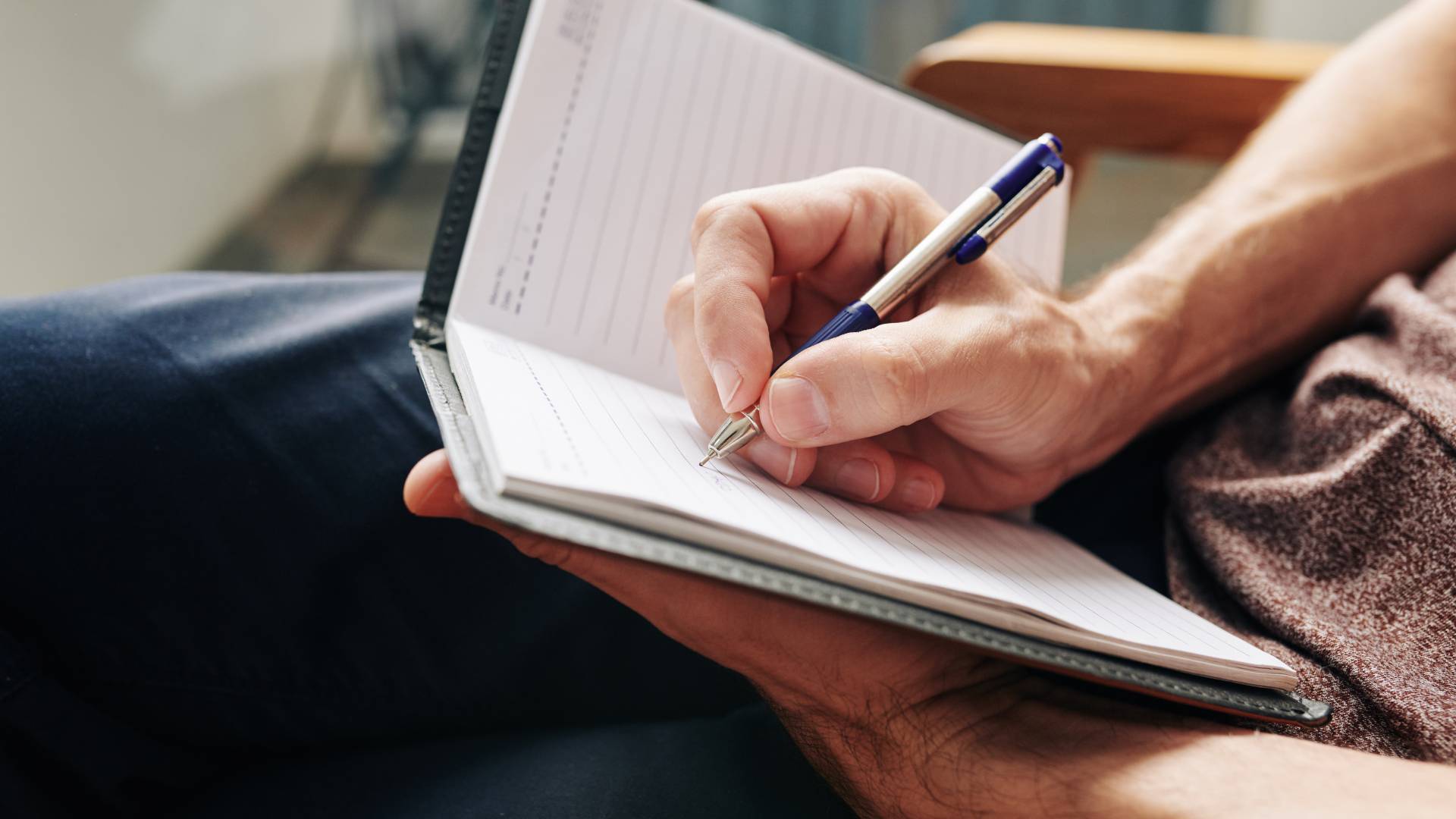
Externalizing worry through writing reduces the cognitive and emotional load of carrying it internally. When a worry stays in the mind, it recirculates, builds associations, and tends to feel larger than it actually is. Writing it down forces the brain to articulate it specifically, which often reveals that the worry is either more manageable than it felt or requires a concrete action instead of ongoing rumination. Ten minutes of stress reduction journaling before bed consistently improves sleep onset time for people with generalized anxiety because it creates a cognitive offload before the overnight period.
7. Spend Time Outside
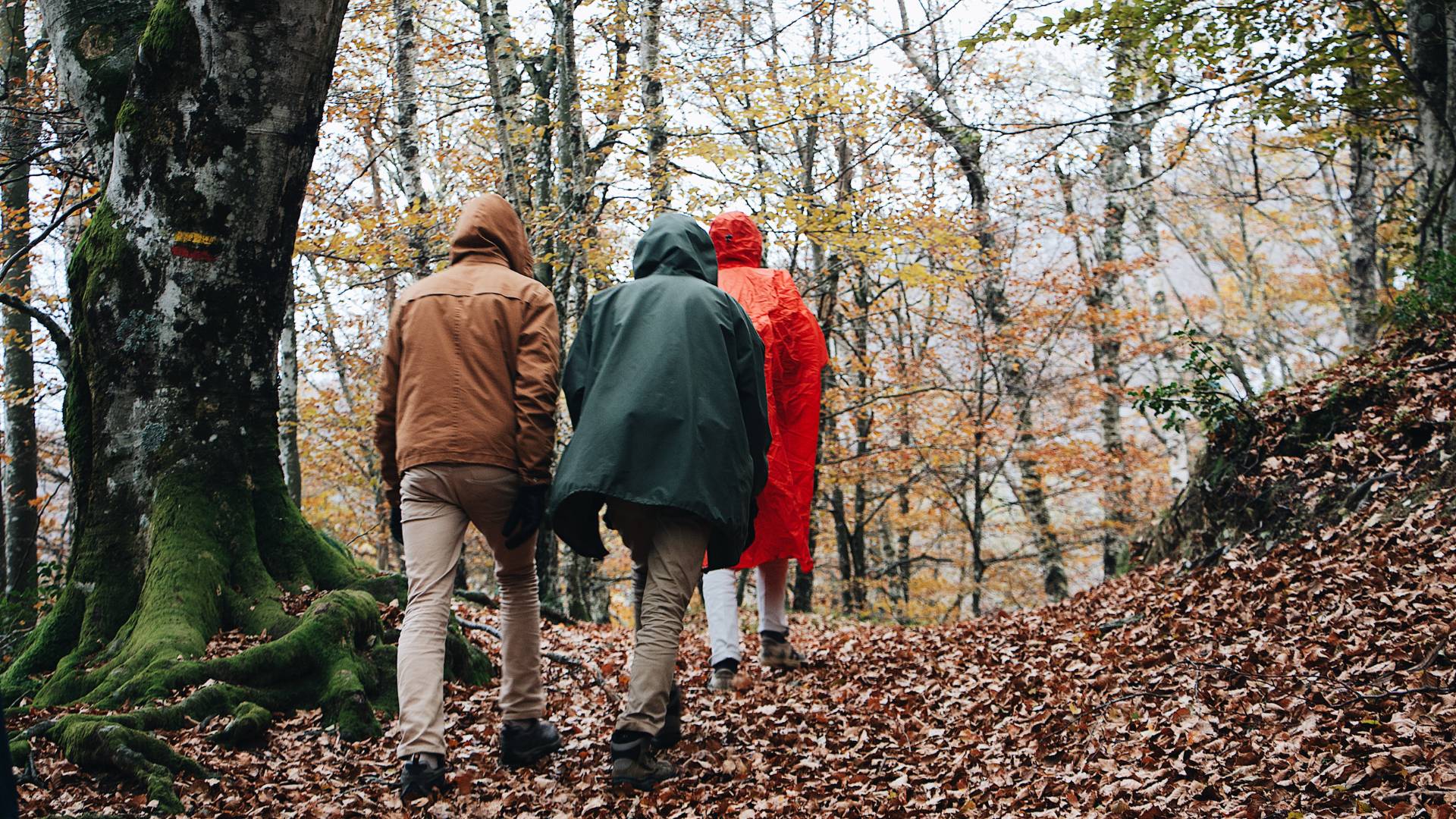
Nature exposure reduces cortisol levels and lowers blood pressure through mechanisms that researchers are still mapping fully, but the effect is consistent across studies.
A 2019 study in Frontiers in Psychology found that spending as little as 20 minutes in a natural setting significantly reduced cortisol levels in urban residents.
This is one of the most accessible home remedies for anxiety because it requires nothing beyond walking out the door and staying outside for a meaningful amount of time.
8. Practice Grounding Techniques
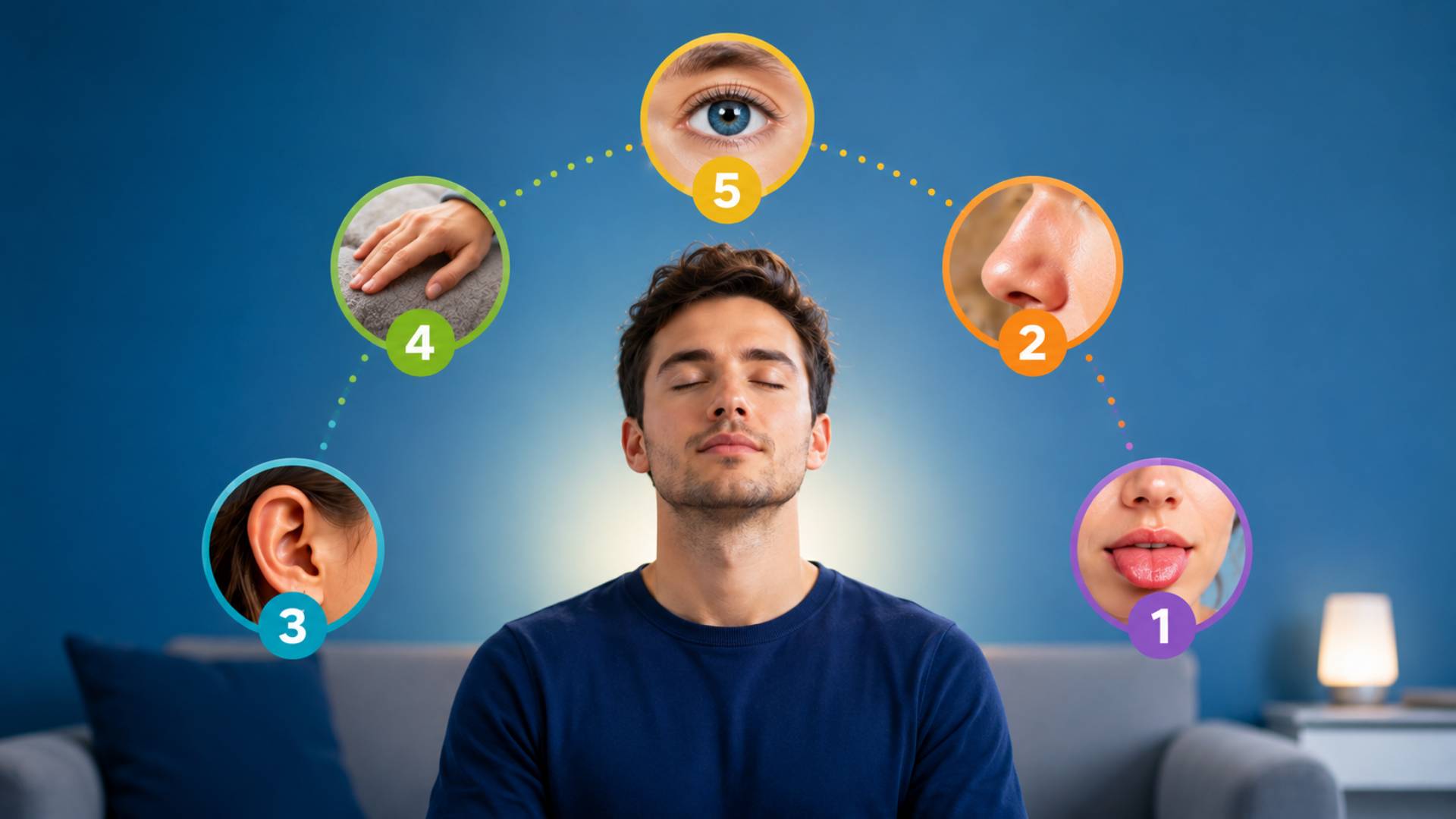
Grounding techniques bring attention back to the present moment when anxiety pulls it toward future catastrophizing or past regret. The 5-4-3-2-1 method, naming five things you can see, four you can touch, three you can hear, two you can smell, and one you can taste, redirects sensory attention toward the immediate environment and interrupts the mental cycle that sustains anxiety. This is a mindfulness practice that requires no prior meditation experience and produces results from the first attempt.
9. Listen to Calming Music
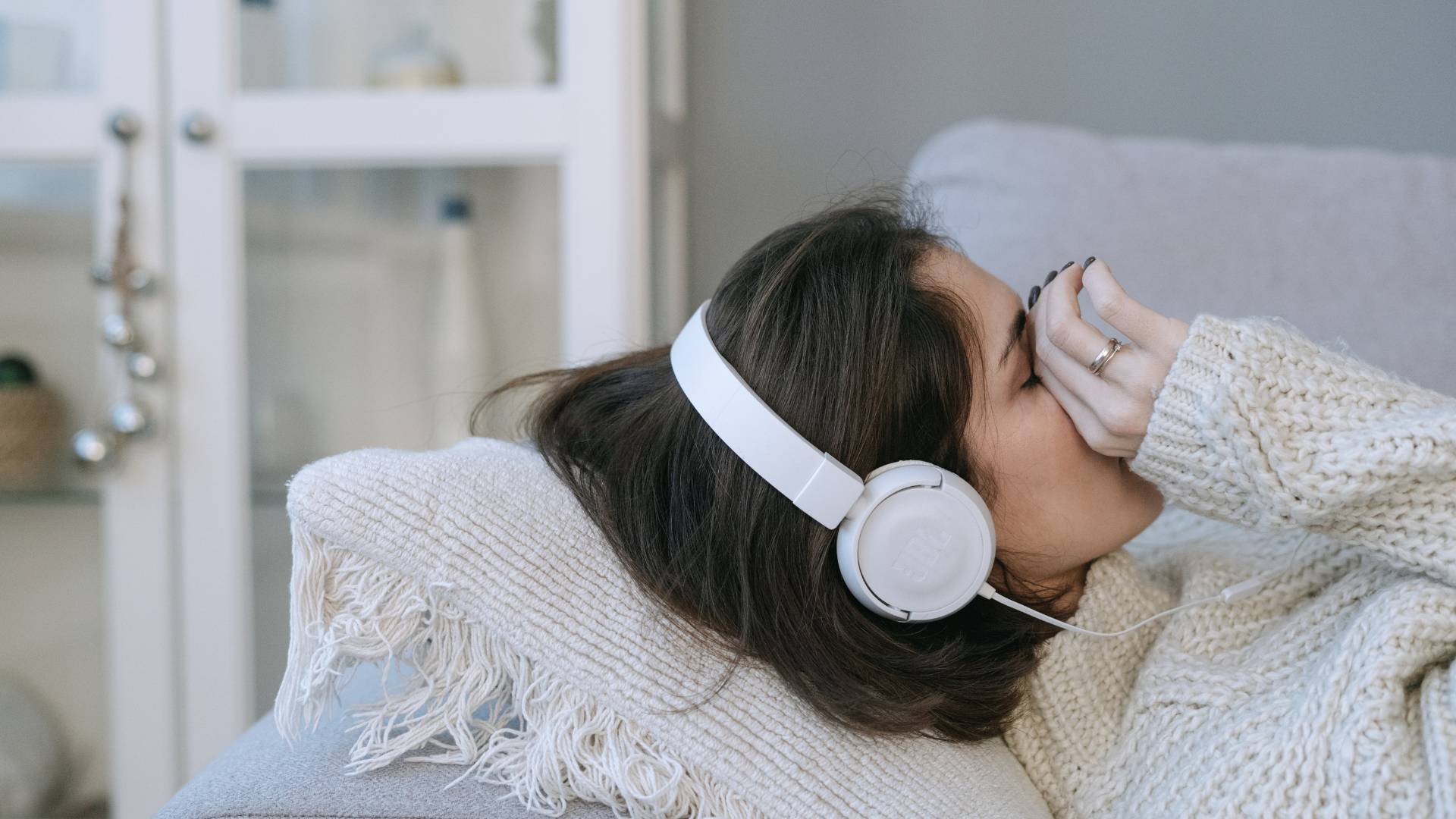
Music with a slow tempo, around 60 beats per minute, entrains the brain toward more relaxed states through a process called neural entrainment. Classical music, ambient recordings, and certain lo-fi genres all qualify.
Research from the British Journal of Music Education found that listening to calming music before a stressful task significantly reduced reported anxiety and physiological stress markers compared to no music conditions. Building a specific relaxation techniques playlist and using it consistently creates a learned association between the music and a calmer state that strengthens over time.
10. Talk to Someone You Trust

Social connection is one of the strongest buffers against anxiety available, and it operates through multiple pathways including oxytocin release, perspective shift, and the simple relief of being witnessed by someone who cares. Coping with anxiety in isolation tends to amplify it.
Reaching out to a trusted friend, family member, or therapist when anxiety is high reduces the intensity in a way that most solo techniques cannot fully replicate. This does not mean unloading every anxious thought onto the people around you. It means maintaining genuine connection as a regular part of life.
11. Limit Time on Social Media
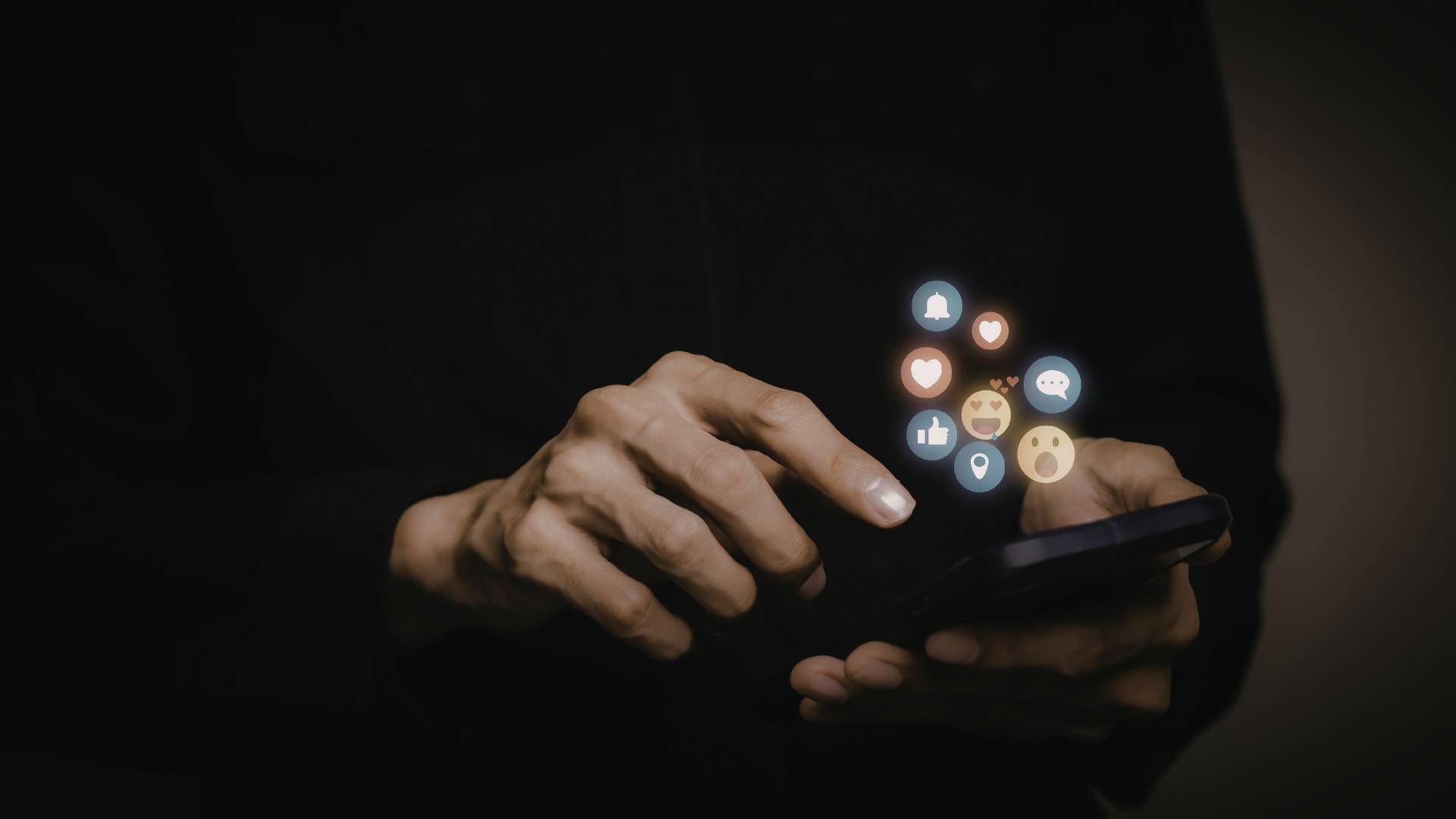
Social media creates a comparison environment that directly undermines emotional balance. Constant exposure to curated presentations of other people’s lives activates social comparison processes that feed inadequacy and fear of missing out, both of which amplify anxiety in people already prone to it. Setting a daily time limit through phone settings, keeping the phone out of the bedroom, and deleting the most triggering apps from the home screen reduces the passive scrolling that accumulates into meaningful daily exposure.
12. Focus on What You Can Control
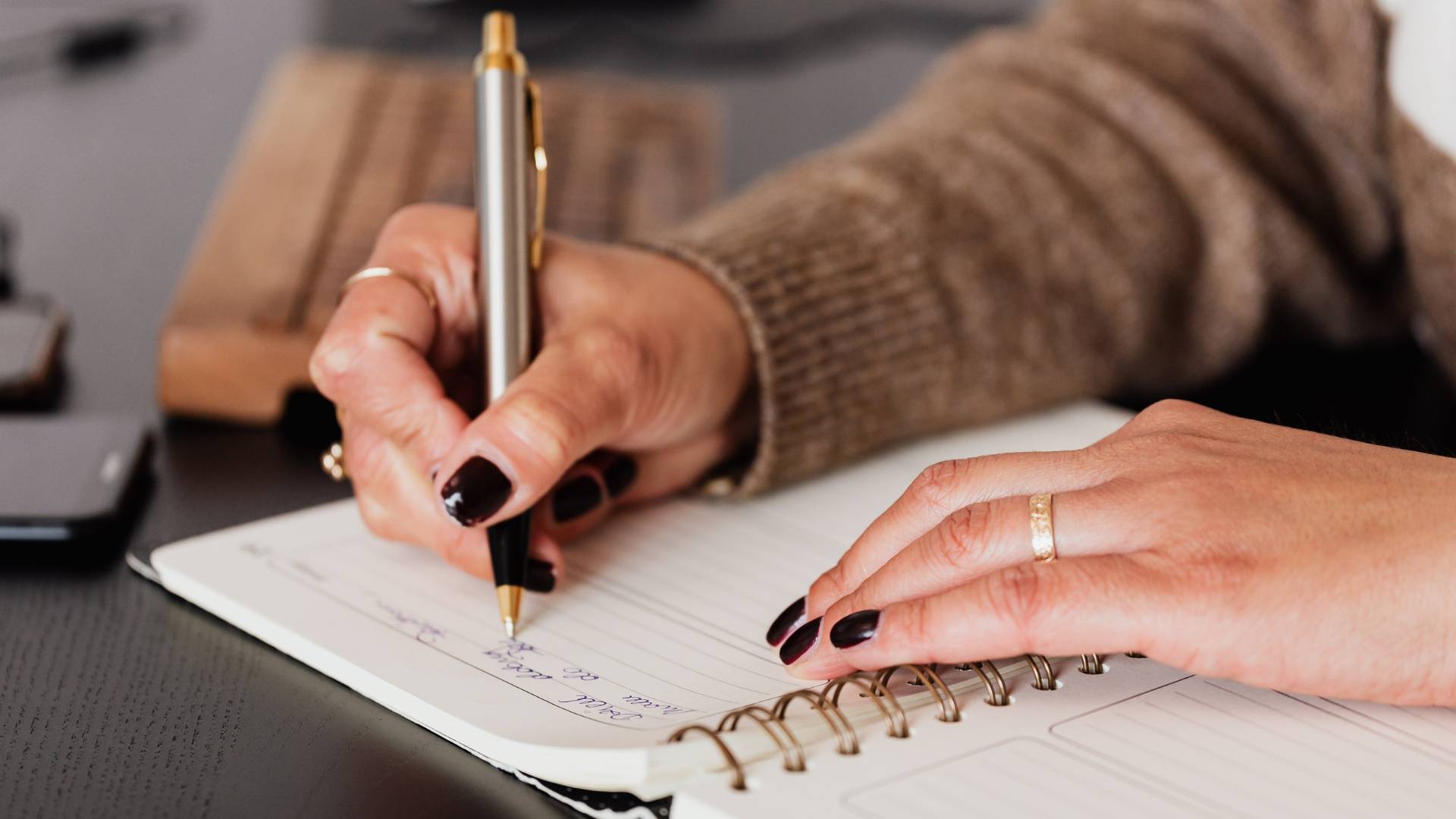
Anxiety concentrates in the gap between what matters and what you can actually do about it. Identifying what is within your control and directing effort there as opposed to fixating on what is outside it reduces that gap and builds the self-efficacy that anxiety erodes. A daily habits practice of writing one specific action you can take today toward something that is worrying you shifts the focus from helplessness toward agency. That shift is where mental calm starts to consolidate over time.
13. Develop a Simple Daily Routine
Structure reduces the number of micro-decisions the brain has to make throughout the day, and decision fatigue is a genuine contributor to end-of-day anxiety spikes. A simple morning routine, a defined work period, a movement block, and a consistent evening wind-down create predictability that the nervous system finds genuinely settling. This healthy lifestyle structure does not need to be rigid or elaborate. A consistent sequence of familiar activities provides the kind of environmental stability that makes the unpredictable parts of life easier to absorb without tipping into anxiety.
14. Be Kinder to Yourself
Self-criticism is one of the quietest and most consistent contributors to chronic anxiety. The internal voice that catalogues everything you should have done differently, everything you are not doing well enough, and every way you fall short of some standard is an anxiety maintenance mechanism more than it is a helpful motivator. Self-care in this context means treating yourself with the same basic fairness you would extend to someone you care about who was in the same situation.
Common Habits That Quietly Make Anxiety Worse
- Scrolling social media first thing in the morning before the mind has had time to settle
- Consuming caffeine after 2pm.
- Avoid social events entirely
- Checking email and messages repeatedly throughout the evening
- Skipping meals and letting blood sugar drop, which amplifies physiological anxiety sensations
- Staying sedentary for long stretches without any movement break
- Catastrophizing by playing out worst-case scenarios in detail
- Using alcohol to take the edge off, which reduces anxiety in the short term and increases it meaningfully the next day
- Overcommitting and then resenting the schedule, which creates a daily baseline of stress before anything unexpected happens
Wrapping Up…
Calm anxiety naturally at home is not about eliminating every anxious feeling. It is about reducing the frequency, duration, and intensity of anxiety enough that it stops running the day. Identifying what sets off intrusive feelings is a key coping skill, and the habits in this guide give you specific tools to address those triggers at the behavioral and physiological level. Start with two or three of these that feel most accessible rather than trying to overhaul everything at once. Build from there as each practice becomes familiar. The goal is a collection of reliable daily habits that make anxiety a manageable part of life.