

Most fat loss advice eventually circles back to eating less, and technically, that is not wrong. The problem is how dramatically people take it. Crash dieting, skipping meals, and running a massive calorie deficit might produce fast results on the scale for a week or two, tho the body responds to severe restriction in ways that work directly against the goal.
Metabolism slows, hunger hormones spike, and the weight that comes back tends to bring extra with it. Knowing how to lose body fat in a way that actually sticks means working with your biology. The strategies we’ve finalized are not complicated, tho they are pretty grounded in how the body actually responds to food, movement, and recovery.
Table of Contents
How Starvation Affects Your Body
When you cut calories too aggressively, the body reads that as a threat. Ghrelin, the hunger hormone, increases significantly. Leptin, which signals fullness and supports metabolic rate, drops.
A 2016 study following contestants from The Biggest Loser found that participants who lost weight through severe restriction experienced significant metabolic adaptation that persisted for years after the show ended.
Turns out, their bodies were burning fewer calories at rest even after regaining weight. The “calories in versus calories out” principle is real, but the output side of that equation changes when you starve yourself.
Most research suggests a 10 to 20 percent calorie deficit is sustainable and manageable without triggering these adaptive responses.
7 Easy Ways to Lose Body Fat Without Starving
1. Prioritize Protein at Every Meal

Protein is the most filling macronutrient available, and building meals around it is one of the most effective strategies for achieving a calorie deficit without hunger.
Practically speaking, protein priority means your plate leads with a source like eggs, chicken, fish, Greek yogurt, or legumes. Aiming for 0.7 to 1 gram of protein per pound of bodyweight daily gives you a concrete target to work toward and makes undereating considerably less likely across the day.
Another Good Read: How to Strengthen Your Core After Pregnancy
2. Choose High-Volume, Low-Calorie Foods
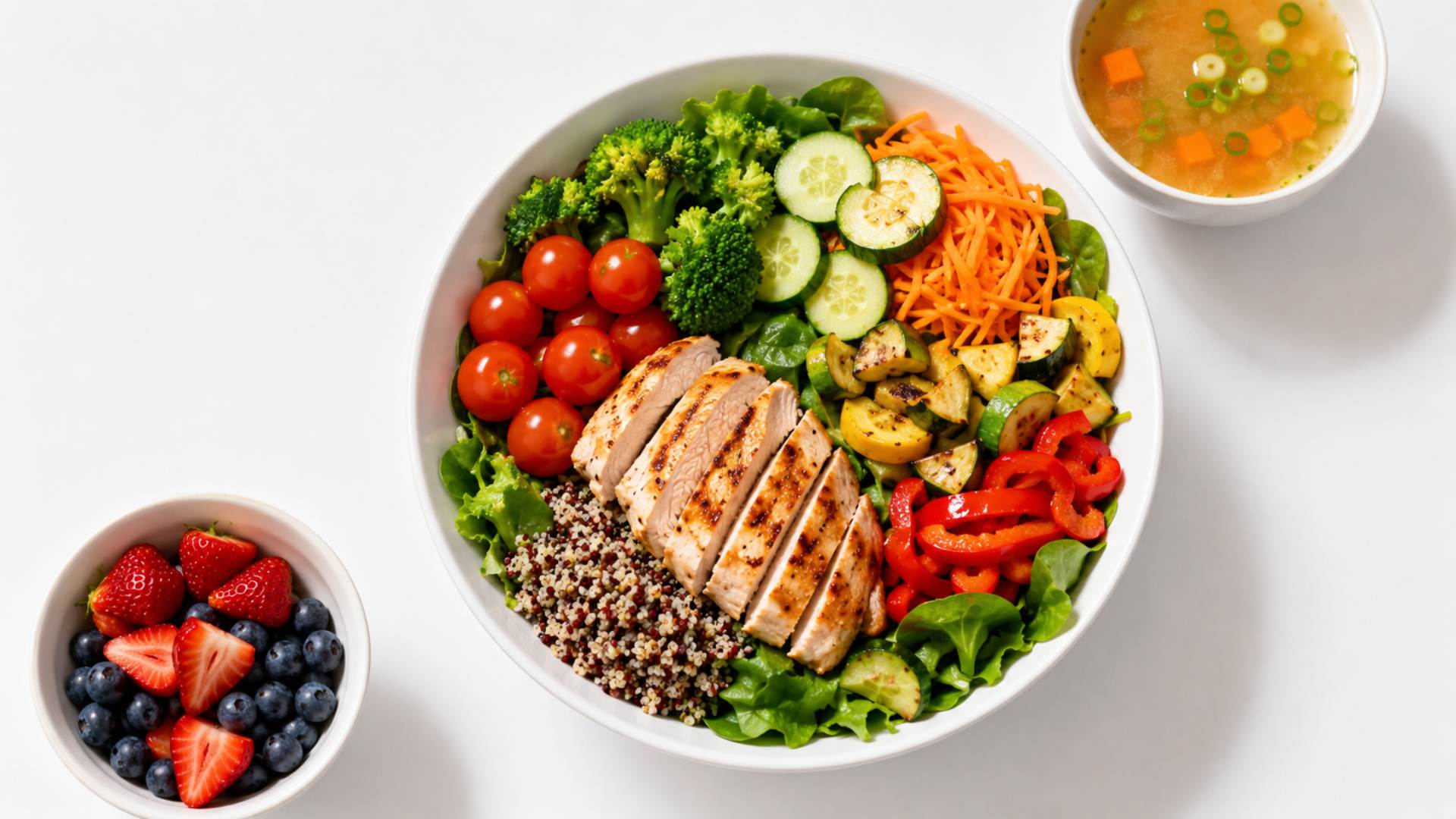
The volume of food on your plate matters more to your brain than the calorie count does. Satiety foods like leafy greens, cucumbers, broth-based soups, berries, and cooked vegetables take up significant physical space in your stomach and trigger fullness signals without contributing meaningfully to your daily calorie total.
Swapping a handful of crackers for a large bowl of roasted vegetables alongside your protein is the kind of substitution that loses body fat over time without ever feeling like deprivation. You eat more food, weigh less on the scale, and feel better throughout the day. That trade works.
3. Build Muscle with Strength Training

Cardio burns calories during the session. Strength training burns calories during the session and continues influencing metabolic health afterward by building muscle tissue that requires energy to maintain at rest.
For sustainable fat loss over the long term, two to three strength training sessions per week is enough to build and preserve lean mass while in a calorie deficit. Without it, a portion of the weight you lose comes from muscle, which drops your resting metabolic rate and makes the deficit harder to maintain as time goes on.
Aerobic exercise like running or walking for at least 150 minutes per week remains valuable alongside strength work, but the combination outperforms either approach alone.
4. Optimize Sleep and Stress Management

Sleep optimization and stress reduction are the two fat loss levers that almost nobody talks about seriously, and they have a measurable impact on the process. Poor sleep elevates cortisol, which promotes fat storage particularly around the midsection, while simultaneously increasing ghrelin and decreasing leptin in the same way that food restriction does.
Participants who slept 8.5 hours per night lost significantly more fat and less lean mass than those sleeping 5.5 hours, even with identical calorie deficits. Seven to nine hours of consistent sleep is not a bonus. It is a core part of any serious effort to lose body fat without starving.
5. Increase Daily Movement (NEAT)

NEAT movement refers to Non-Exercise Activity Thermogenesis, which covers every calorie you burn outside of intentional exercise: walking to your car, taking stairs, standing at your desk, fidgeting, doing household tasks.
Adding a 20-minute walk after meals, using a standing desk for part of the day, or simply moving more between tasks can contribute several hundred additional calories of daily expenditure without any structured workout involved.
6. Use Smart Meal Timing
Meal timing is not a magic lever, tho it is a practical tool for managing hunger across the day. Front-loading calories toward the earlier part of the day tends to reduce total intake naturally because appetite decreases in the evening for most people when food is not restricted earlier.
Eating a larger breakfast and lunch with a lighter dinner is one approach that works well for people whose hunger is front-loaded. For others, a consistent eating window that limits late-night snacking produces similar results. The specific method matters less than finding a timing structure that makes lose body fat without starving feel manageable rather than like a constant act of willpower.
7. Track Progress Without Obsessing Over the Scale
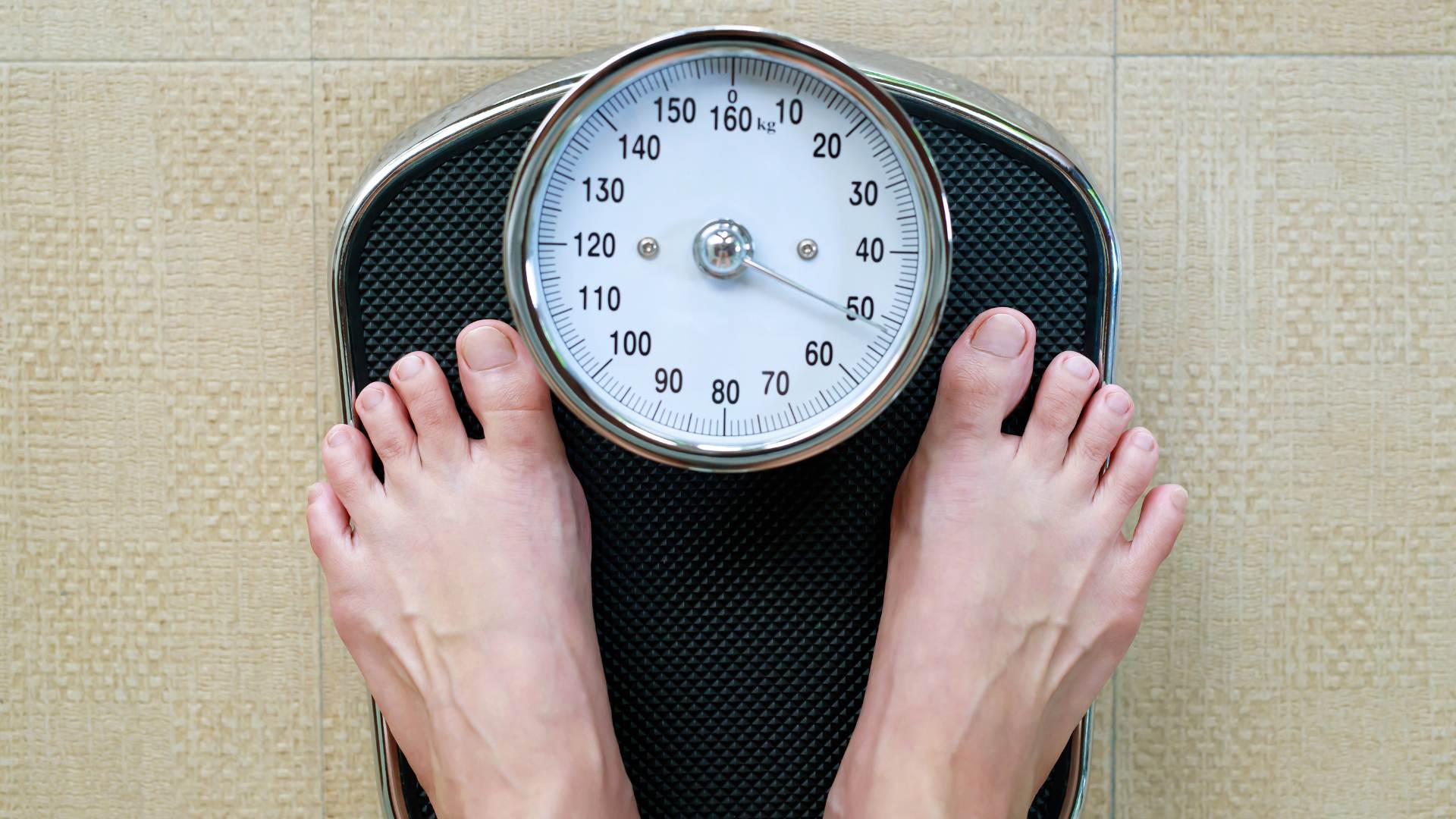
Progress tracking is useful. Daily scale obsession is not. Body weight fluctuates by two to five pounds on any given day based on water retention, sodium intake, hormonal changes, and digestive contents.
Weighing weekly as opposed to daily, at the same time and under the same conditions, gives you a meaningful trend line. Beyond the scale, tracking measurements, how clothes fit, strength progress in the gym, and energy levels across the day gives you a more complete picture of what is actually happening.
Research consistently shows that a sustainable and healthy rate of weight loss sits around one to two pounds per week. If you are losing body fat at that pace, the process is working exactly as it should even if daily numbers move around unpredictably.
Frequently Asked Questions (FAQs)
Do I need to count calories to lose body fat?
Calorie tracking is one tool among several, and it is not mandatory for everyone. Some people find it clarifying and useful, tho other find it stressful. If progress stalls after several weeks of consistent effort, a brief period of tracking often reveals where extra calories are coming in.
Is it possible to lose fat without being hungry?
Hunger that feels unmanageable is almost always a signal that protein is too low, food volume is too low, or the calorie deficit is too aggressive. A well-constructed approach to losing body fat without starving should produce mild hunger at appropriate times.
What is the 3-3-3 rule for fat loss?
The 3-3-3 rule is a simple framework. Three meals per day, three hours between eating windows, and three servings of protein-rich food daily. It is not a rigid protocol backed by heavy research, tho as a practical structure for people who find detailed planning overwhelming.
Wrapping Up…
The path to lose body fat sustainably does not run through starvation, misery, or elimination diets that last three weeks before collapsing. It runs through protein at every meal, quality sleep, consistent movement, smart food choices, and a deficit that is real but manageable. Research points to one to two pounds per week as the rate where fat loss is happening without the metabolic and hormonal trade-offs that come from going too hard too fast. Build the habits in this guide consistently, and the results follow in a way that actually holds past the first month.