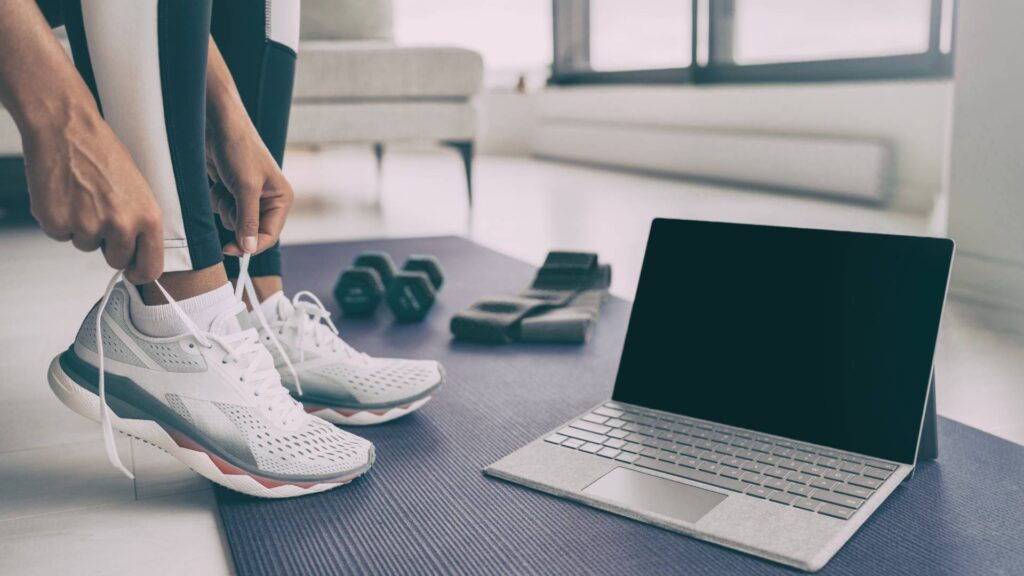

Most people do not skip workouts because they lack motivation. They skip them because the logistics fall apart under a real schedule. A commute, a full workday, family responsibilities, and the general weight of adult life stack up in ways that make a 60-minute gym session feel like a scheduling problem.
The best home workouts for busy people solve that problem at the root by taking the commute, the equipment dependency, and the rigid time blocks out of the equation entirely. What stays is the work itself. We’ll cover 10 exercises and circuits that produce real results across fat burn, muscle strength, and daily fitness. It does not even require more than a clear floor and somewhere between 10 and 30 minutes, depending on what you have available.
Table of Contents
Home Workout #1: Jump Rope Intervals
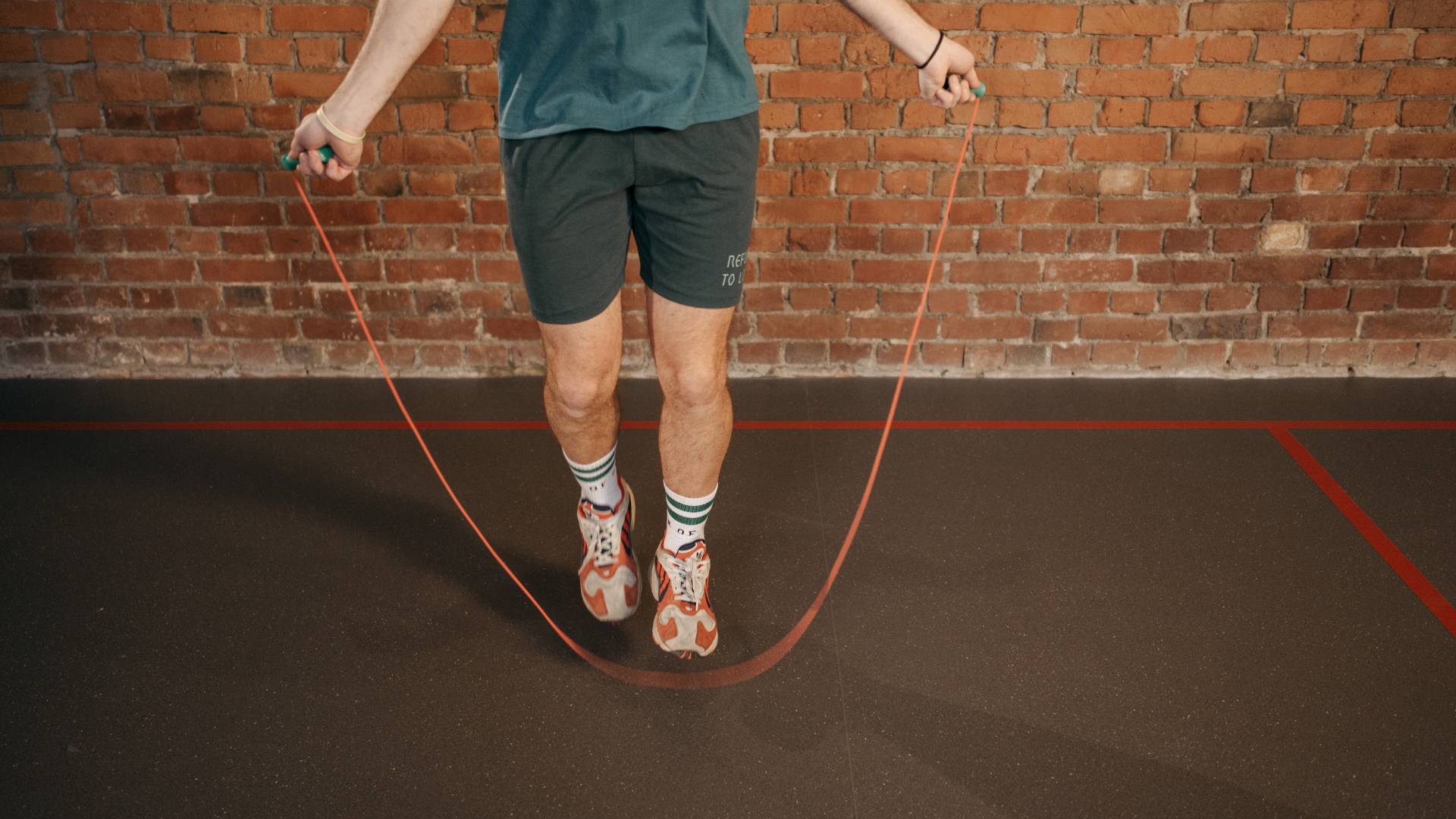
Jump rope is one of the most efficient fat burn tools available in home fitness and it requires about three square feet of space and a $15 rope.
It has been suggested that ten minutes of rope skipping is equal to 30 minutes of jogging for improved cardiovascular efficiency, says M.T. Buyze. For busy schedules, that ratio matters considerably.
The interval approach works best here. Jump at a moderate pace for 30 seconds, rest for 15 seconds, and repeat for eight to ten rounds. As fitness improves, the rest periods shorten and the active intervals extend. Jump rope also develops coordination and timing in ways that pure cardio machines do not, which makes it more engaging to come back to consistently.
Home Workout #2: Bodyweight Squats
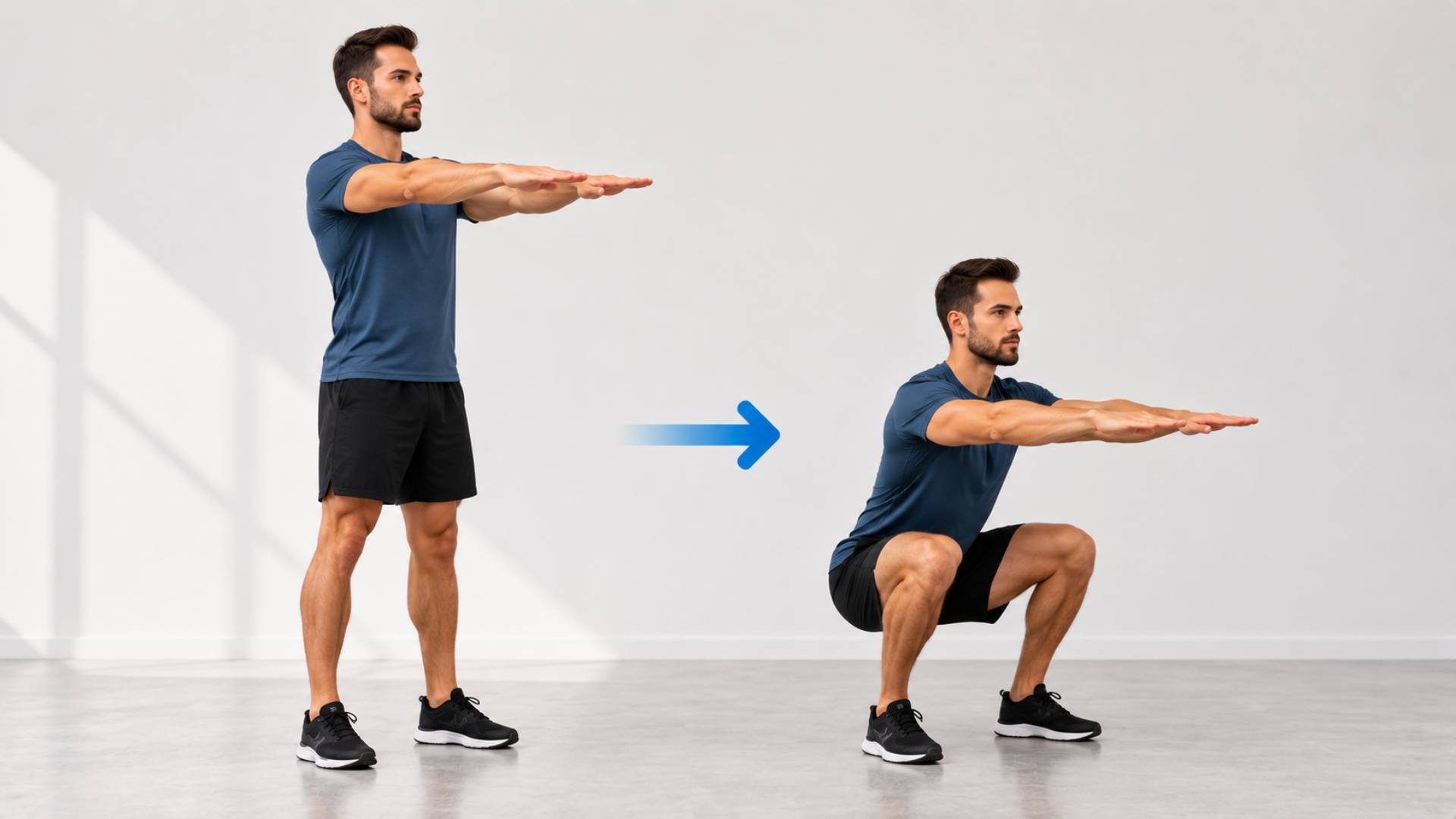
The squat is the foundation of any lower body workout plan worth following, and the bodyweight version done correctly builds real muscle strength across the quads, glutes, and hamstrings without a barbell or a rack.
- Stand with feet shoulder-width apart, toes angled slightly outward, and lower until the thighs reach parallel with the floor before driving back up through the heels.
Three sets of 15 to 20 repetitions fits into any exercise routine for busy schedule. As the movement becomes easier, add a pause at the bottom of each rep or slow the descent to a three-count to maintain the training stimulus without needing additional load.
Home Workout #3: Push-Ups
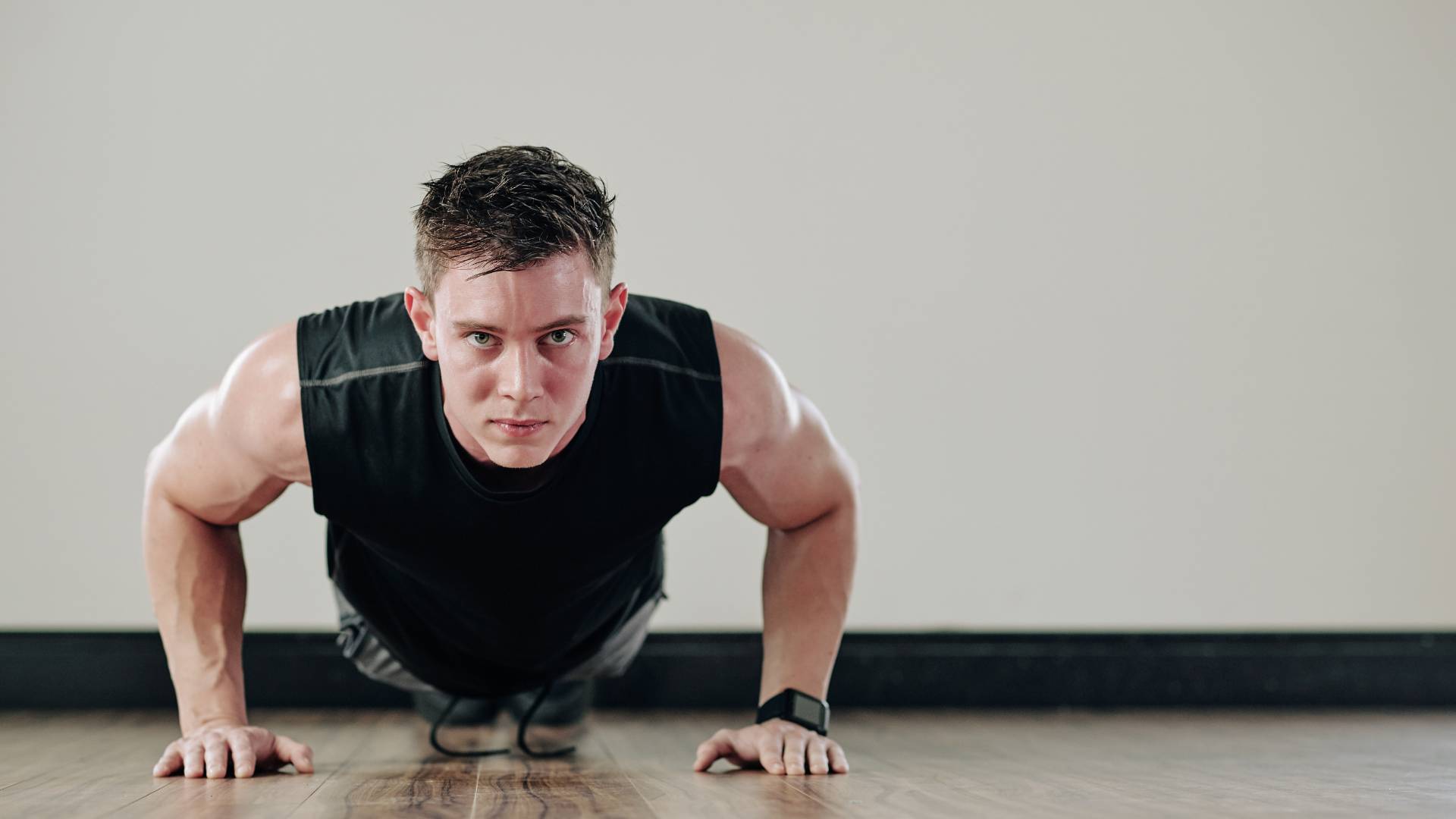
The push-up is the most accessible upper body exercise in any no equipment workout routine, and it is frequently underestimated by people who can do 15 of them without much difficulty. The solution is variation. Standard push-ups build the chest, shoulders, and triceps. Close-grip push-ups shift the load toward the triceps. Decline push-ups increase the demand on the upper chest and anterior deltoid.
Three sets to near failure with 60 seconds of rest between sets is a productive structure for most fitness levels. For beginners, starting with hands elevated on a countertop or a bench reduces the load while the pattern develops.
Home Workout #4: High Knees
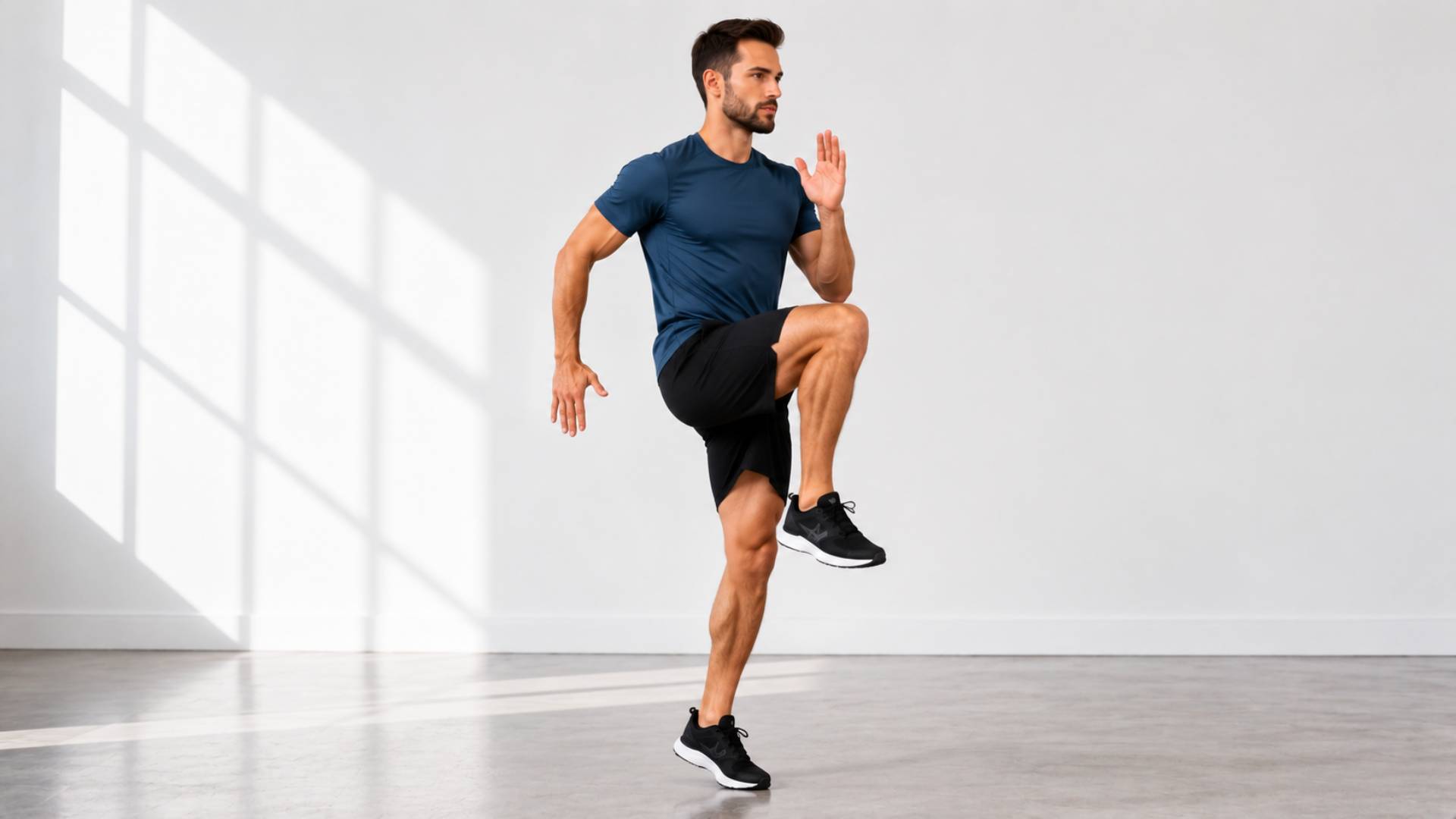
High knees deliver a cardiovascular energy boost alongside hip flexor and core activation that most pure cardio options miss. Drive the knees up alternately toward the chest as quickly as controllable form allows, landing lightly on the balls of the feet instead of crashing down flat-footed.
Thirty seconds on, 15 seconds off for eight rounds fits inside a 6-minute block and produces a genuine conditioning effect. High knees also serve as an effective component of the advanced warm-up sequence described above when performed at a more controlled pace before the main session begins.
Home Workout #5: Plank Holds
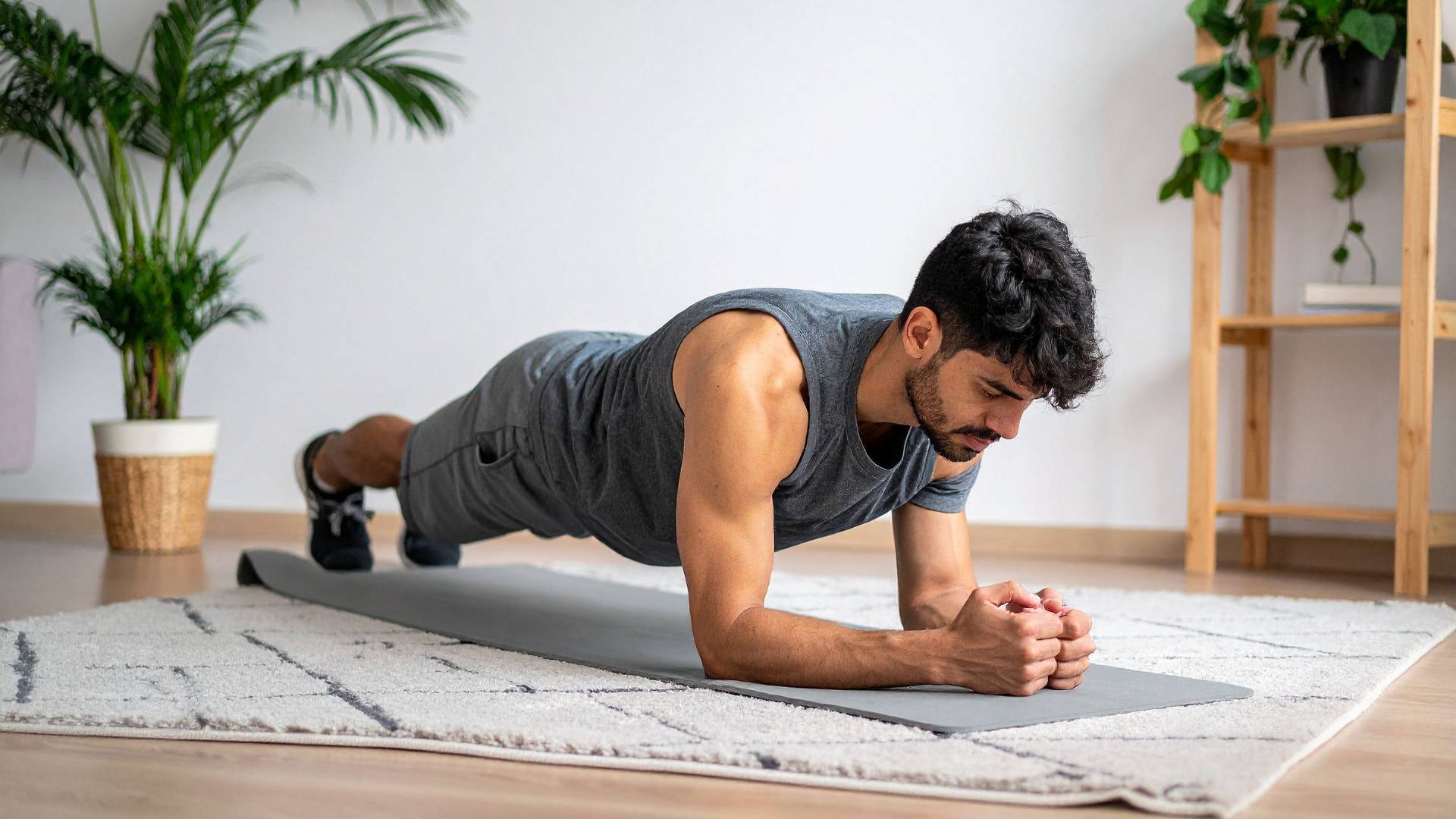
The plank is the most effective single exercise for building the deep core stability that supports upright posture, reduces lower back strain during other movements, and transfers into every compound exercise in this list. Hold a straight-arm or forearm plank position with the spine neutral, glutes engaged, and the ribcage not flaring upward.
Three holds of 30 to 60 seconds with 30 seconds of rest between each is a productive starting point. The goal is not just time but quality of position. A 20-second plank held with complete tension is worth more than a 90-second plank with a sagging lower back and disengaged core.
Home Workout #6: Mountain Climbers
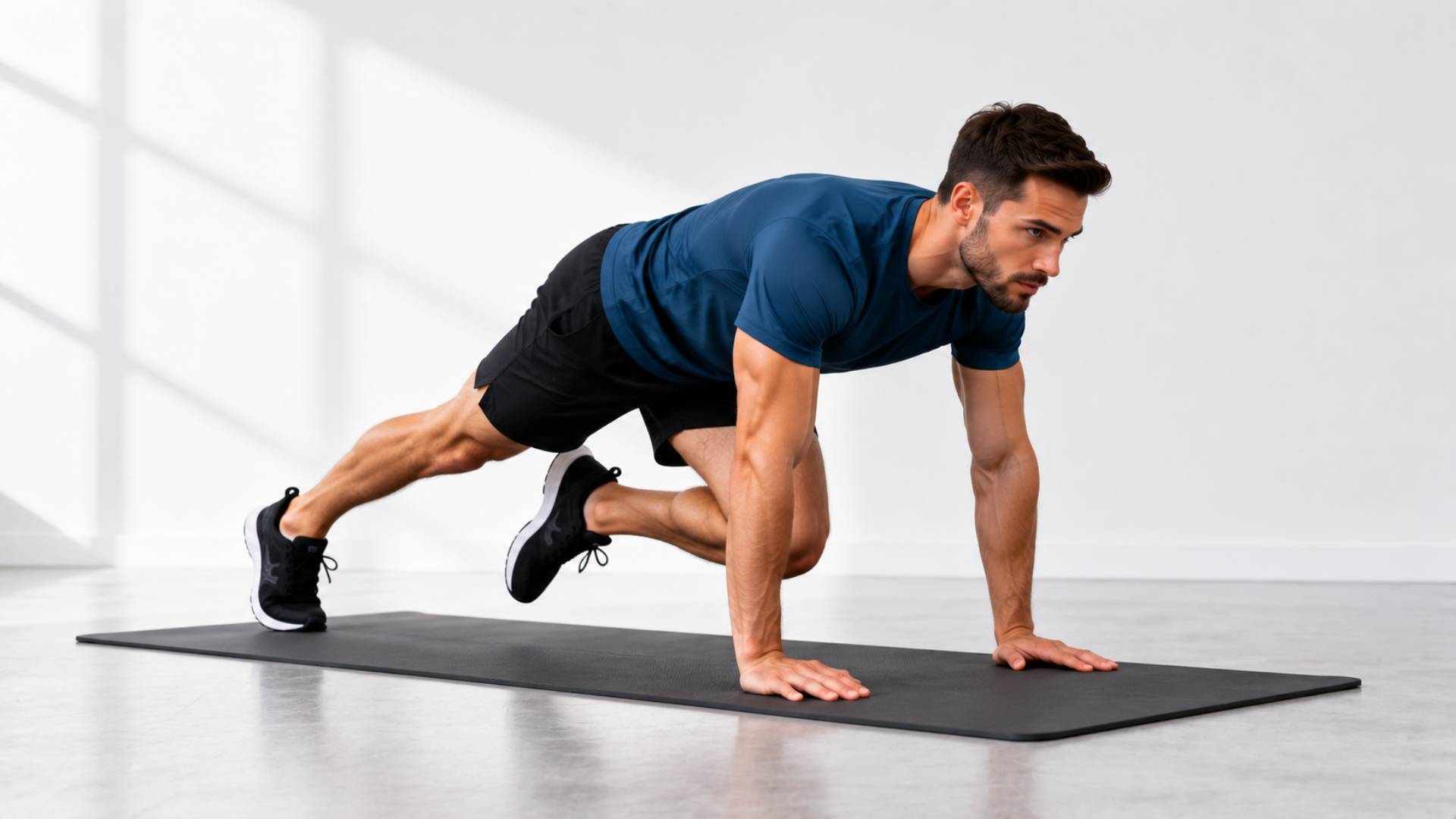
Mountain climbers combine bodyweight training for the core with a cardiovascular demand that most people underestimate until they are 20 seconds into their first set. Starting in a push-up position, drive the knees alternately toward the chest as quickly as controllable form allows while keeping the hips level and the spine neutral.
Thirty seconds on, 15 seconds off for six to eight rounds covers the full-body home workout demand with no equipment required. Mountain climbers also reinforce the hip flexor and shoulder stability patterns that planks develop, making the two exercises a natural pairing within any home fitness circuit.
Home Workout #7: Walking Lunges
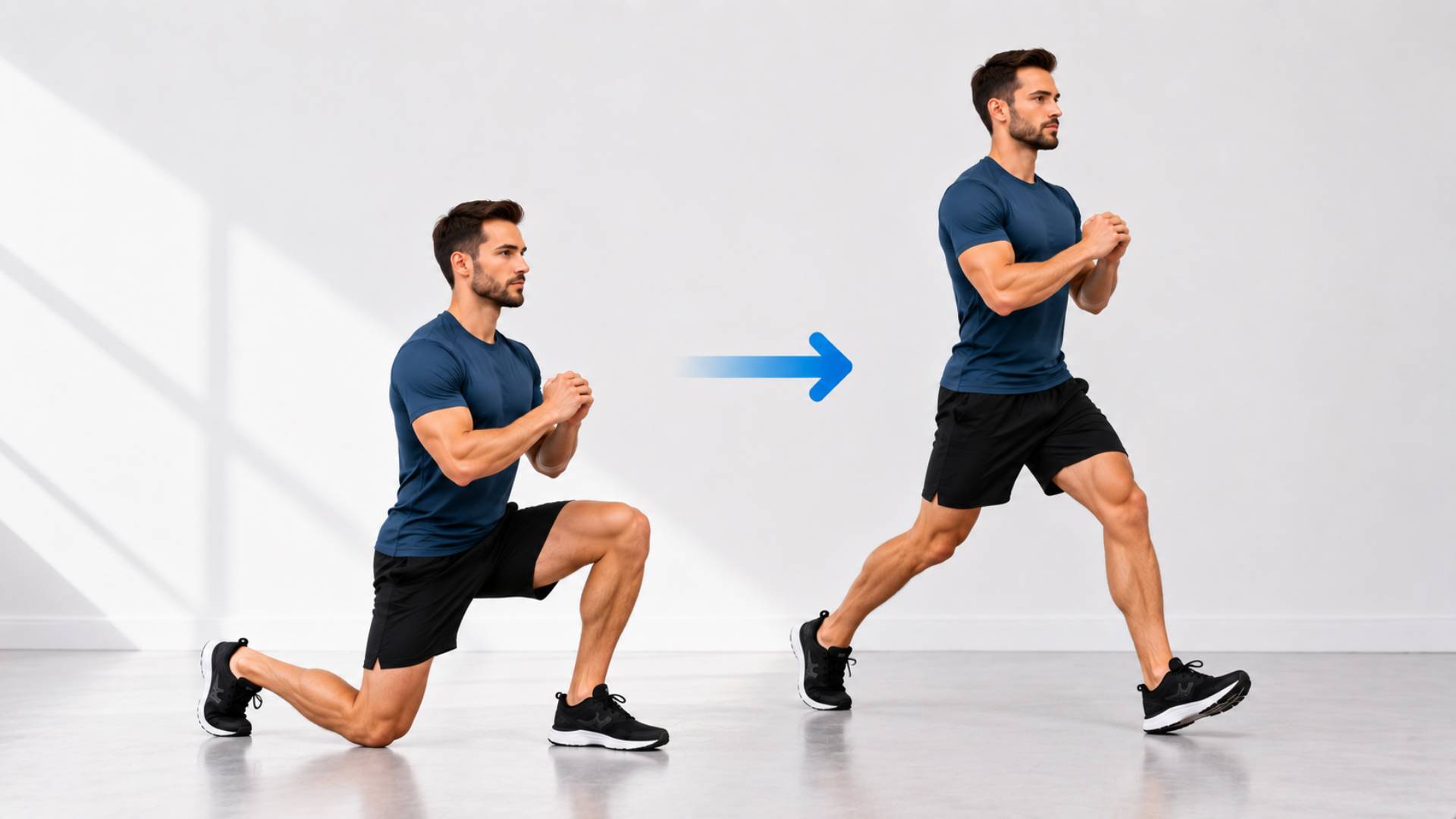
Walking lunges develop single-leg strength, hip mobility, and glute activation in a movement pattern that translates directly into everyday activity. Step forward into a lunge, lower the back knee to just above the floor, drive through the front heel to stand, and step directly into the next repetition on the opposite leg.
Ten repetitions per leg for three sets covers the lower body demand well. If the available space runs short, stationary alternating lunges produce equivalent results without requiring the forward travel distance. Adding a slight torso rotation at the bottom of each lunge increases the rotational core demand.
Home Workout #8: Burpees
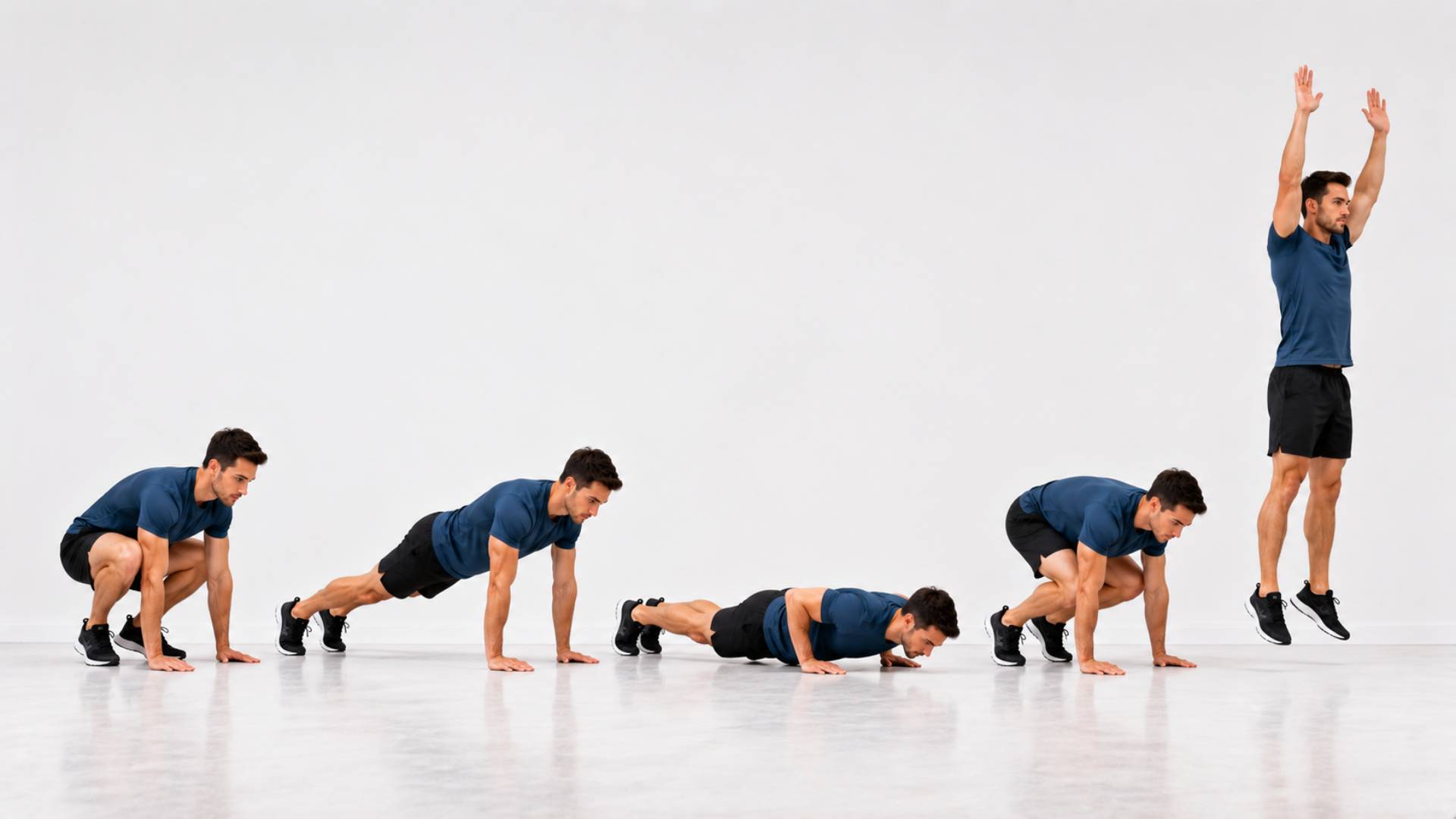
Burpees are the exercise most people avoid and also one of the most complete movement patterns available in a home workouts for busy people context. The sequence covers a squat, a plank, a push-up, a jump, and a landing pattern in a single continuous rep, which means every major muscle group contributes within each repetition.
Five rounds of 10 burpees with 60 seconds of rest between rounds is a genuine full-body stimulus within a 10-minute block. The intensity is high enough that the sessions feel considerably longer than the clock suggests, which is part of what makes them effective for time-saving workouts when the schedule leaves limited space.
Home Workout #9: Glute Bridges
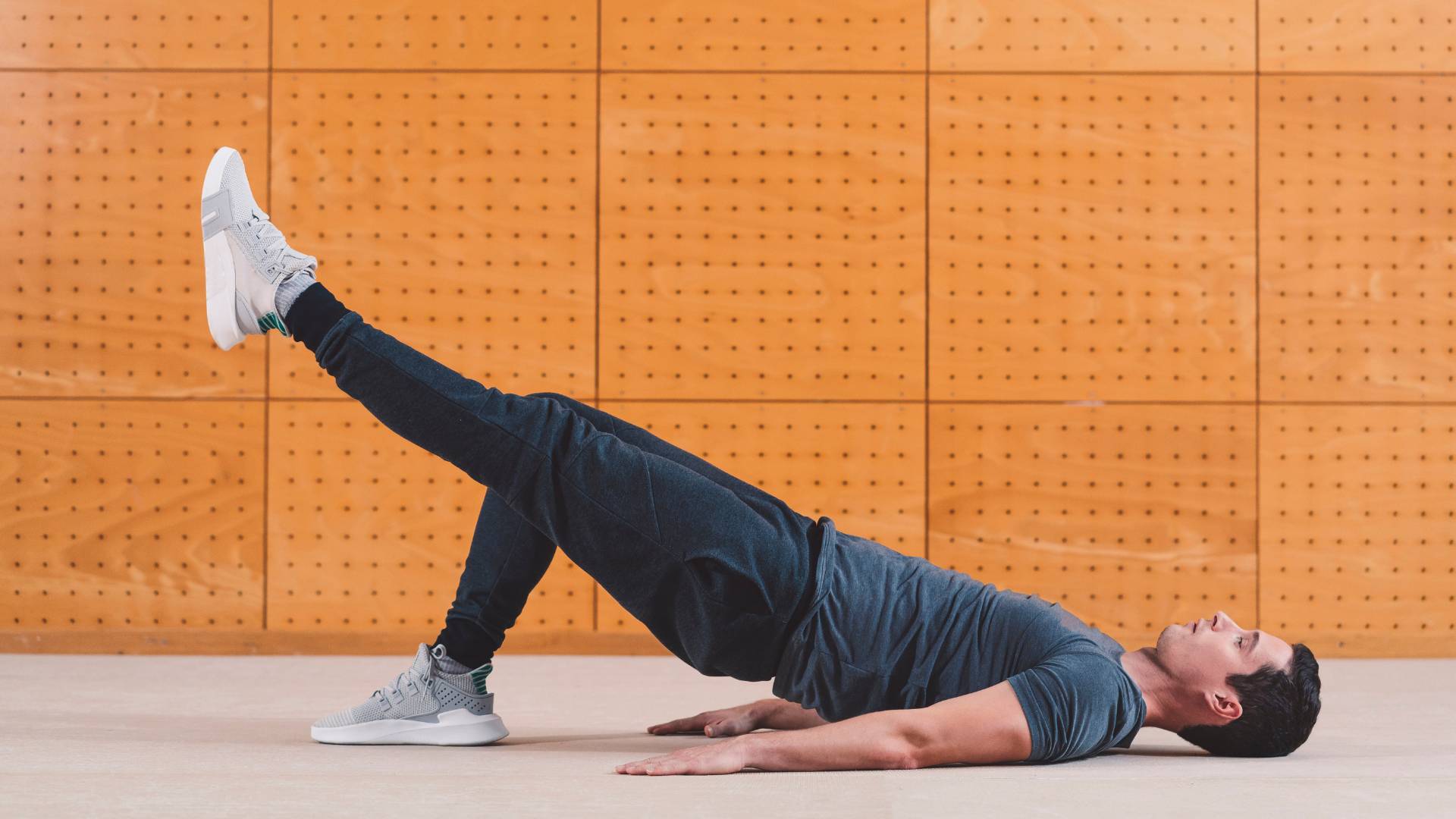
The glute bridge addresses one of the most common functional deficiencies in people who sit for long portions of the day: inactive, underloaded glutes that place compensatory demand on the lower back during activity. Lying on your back with knees bent and feet flat on the floor, drive the hips upward by squeezing the glutes at the top of each rep before lowering with control.
Three sets of 15 to 20 repetitions with a two-second hold at the top is the starting point. Single-leg variations increase the demand significantly once the bilateral version feels too easy. The glute bridge also pairs well with the hip flexor stretch from a posture correction standpoint, addressing both sides of the hip extension pattern in the same session.
Home Workout #10: The 10-Minute Full-Body Circuit
This is where best home workouts for busy people gets most practical. When the schedule gives you 10 minutes and nothing more, this circuit covers the full body without any equipment across a single block:
- Jump rope or high knees: 45 seconds
- Push-ups: 45 seconds
- Bodyweight squats: 45 seconds
- Mountain climbers: 45 seconds
- Glute bridges: 45 seconds
- Plank hold: 45 seconds
- Rest: 30 seconds
- Repeat once
Two full rounds take just under 10 minutes including rest. Three rounds land at 15 minutes. The workout scales with available time, which is what makes it the most consistently executable option in this entire list for maintaining an active lifestyle across a genuinely compressed week.
How to Stay Consistent When Life Gets Busy
Schedule Workouts Like Appointments
The home workouts for busy people that actually get done consistently are the ones that occupy a specific time slot on the calendar. Treat the session as a meeting with a time and a format. Ten minutes at 7am is a real workout. “I’ll get to it later” is not.
Remove Common Barriers
Laying out workout clothes the night before, keeping the floor space clear, and deciding on the session format in advance takes the decision-making out of the morning when energy and willpower are still getting started. The friction between intention and action is almost always logistical
Focus on Progress, Not Perfection
A 10-minute session on a chaotic day counts. A modified version of an exercise that fits the energy level of a difficult week counts. The consistency that builds an active lifestyle over months is made up of imperfect sessions that happened rather than perfect sessions that were skipped waiting for ideal conditions.
Build Exercise Into Your Daily Routine
Healthy habits attach more durably when they connect to existing behaviors as opposed to standing alone as separate commitments. A 10-minute bodyweight circuit immediately after morning coffee, or a plank hold before the first work call of the day, turns fitness goals from aspirations into automatic behaviors across weeks and months of repetition.
Wrapping Up…
The best home workouts for busy people are the ones that fit inside the life you actually have rather than the life you imagine having with more time and fewer responsibilities. Every exercise in this guide requires a clear floor, your own bodyweight, and a timer. The 10-minute full-body circuit fits inside a lunch break. The individual movements fit into five-minute windows scattered across a compressed day. Warm up before every session, move with quality, and show up for the short version on the days when the long version is not available. That consistency, across weeks and months, is where real fitness goals get built.