

Back in 2020, when I started freelance writing during my university years, my setup was about as far from ergonomic as you can get. Going to university at 7 am sharp and coming back at 3 or 4 pm after back-to-back lectures was no joke, and after all that, I would sit on my hostel bed with a laptop and grind through Fiverr orders.
No proper chair, no table, just the bed and whatever position felt manageable in the moment. By 2024, when I graduated, I had never once used a proper working chair for personal work. Assignments, quizzes, midterms, finals, and a consistent queue of client orders meant the schedule never left room for it.
By 2025, the back pain had built up enough that I finally decided to build a proper home office and deal with what years of poor positioning had quietly created. We will cover how to fix bad posture naturally based on what I learned through that process. Keep scrolling!
Table of Contents
Is Your Posture Worse Than You Think?

Most people do not realize their posture has deteriorated until the symptoms show up. Slouching over a laptop for months does not produce immediate feedback. Your body positions can become subconscious habits, running in the background without your awareness, until one day your shoulders, neck, and back start to hurt consistently enough that you cannot ignore them anymore. By that point, the muscle imbalances and movement patterns have been building for a long time.
A quick self-check tells you a lot. Stand naturally with your back against a wall. Your head, shoulder blades, and the back of your pelvis should all make contact with the wall at the same time. If your head stays several inches forward or your lower back arches away from the surface significantly, those are signals worth paying attention to.
A 2014 study published in Surgical Technology International found that for every inch the head moves forward from its neutral position, the effective weight load on the cervical spine increases by roughly 10 pounds. At a 60-degree forward angle, that translates to about 60 pounds of additional strain on the neck and upper back.
The Small Daily Habits That Quietly Ruin Your Posture
Too Much Time on Your Phone

Looking down at a phone screen for extended periods puts the neck into a sustained forward flexion position that loads the cervical spine in exactly the way described above. The problem is not occasional use. It is the cumulative hours across months and years of the same loading pattern with no corrective movement between sessions.
Sitting for Hours Without Moving

The human body was not built to stay in a fixed position for six to eight hours. Sitting for long periods, even in a technically correct position, causes the hip flexors to shorten, the thoracic spine to round forward, and the deep stabilizing muscles of the core to disengage progressively. Movement breaks matter more than the chair you sit in.
Poor Workstation Setup

A monitor positioned too low, a chair that does not support the natural lumbar curve, a keyboard too far forward, all of these create compensatory positions that the body locks into over time. The desk posture you default to across a full workday shapes your resting posture outside of work hours more than most people realize.
Sleeping in Awkward Positions

Stomach sleeping rotates the cervical spine to one side for hours at a time and flattens the natural lumbar curve. Sleeping in this position consistently contributes to neck stiffness and lower back tightness that carries into the waking hours and makes daytime posture correction harder to maintain.
The Easiest Way to Fix Bad Posture Naturally
Pay Attention to How You Sit
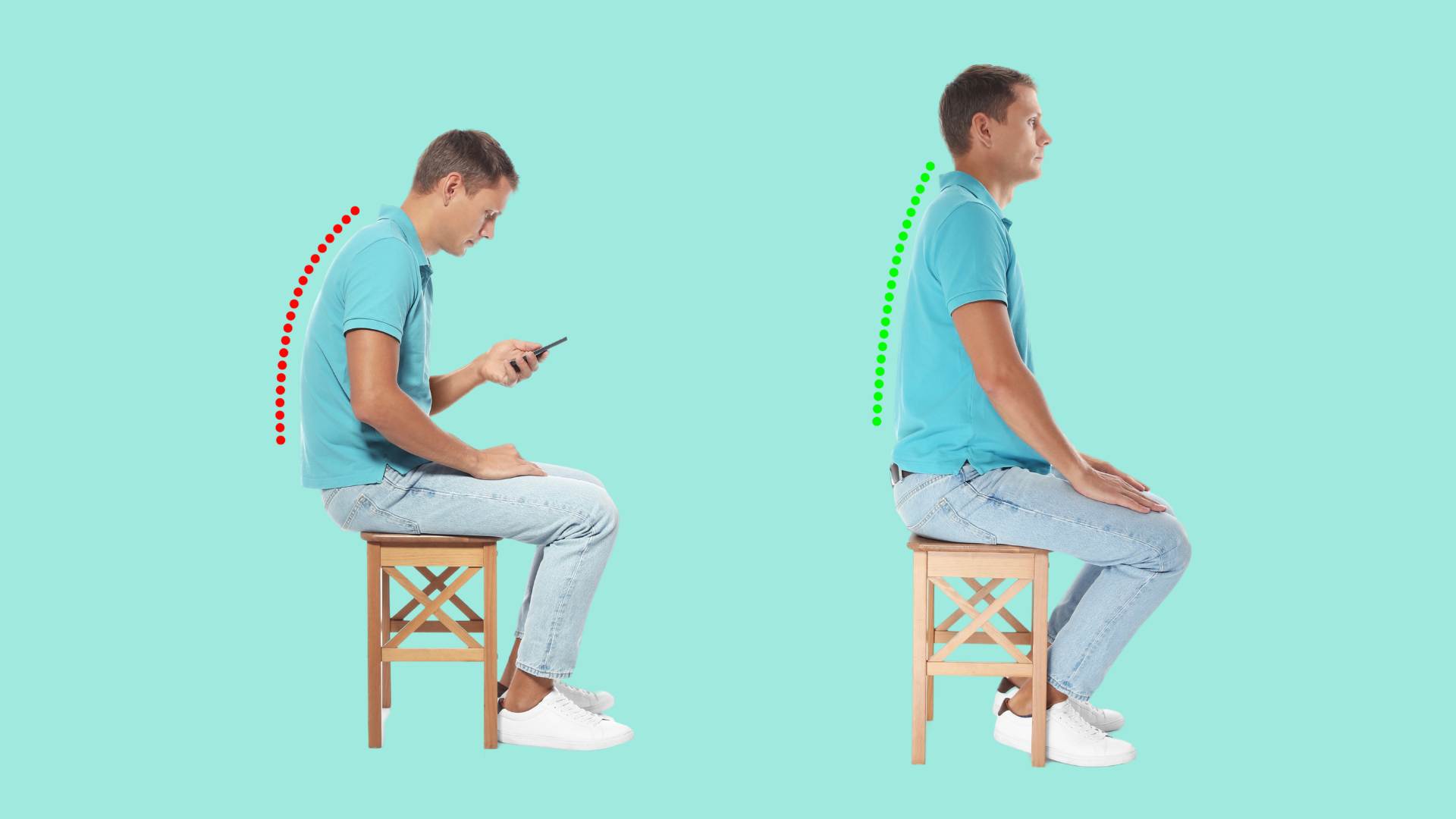
Healthy sitting posture starts with weight distributed evenly across both sit bones, feet flat on the floor, knees at roughly 90 degrees, and the lower back maintaining its natural inward curve rather than collapsing into a rounded C-shape. The key is positioning the screen at eye level so the head does not drift forward to compensate for a monitor that sits too low.
Learn to Stand Tall Without Feeling Stiff

A natural standing position involves ears over shoulders, shoulders over hips, hips over ankles. The pelvis should sit in a neutral position and not just tucked under or excessively anteriorly tilted. Body alignment in standing is less about pulling everything into a rigid military posture and more about finding the stacked position that the skeleton can maintain with minimal muscular effort. This would, in turn, help you fix your posture naturally.
Keep Your Head From Drifting Forward
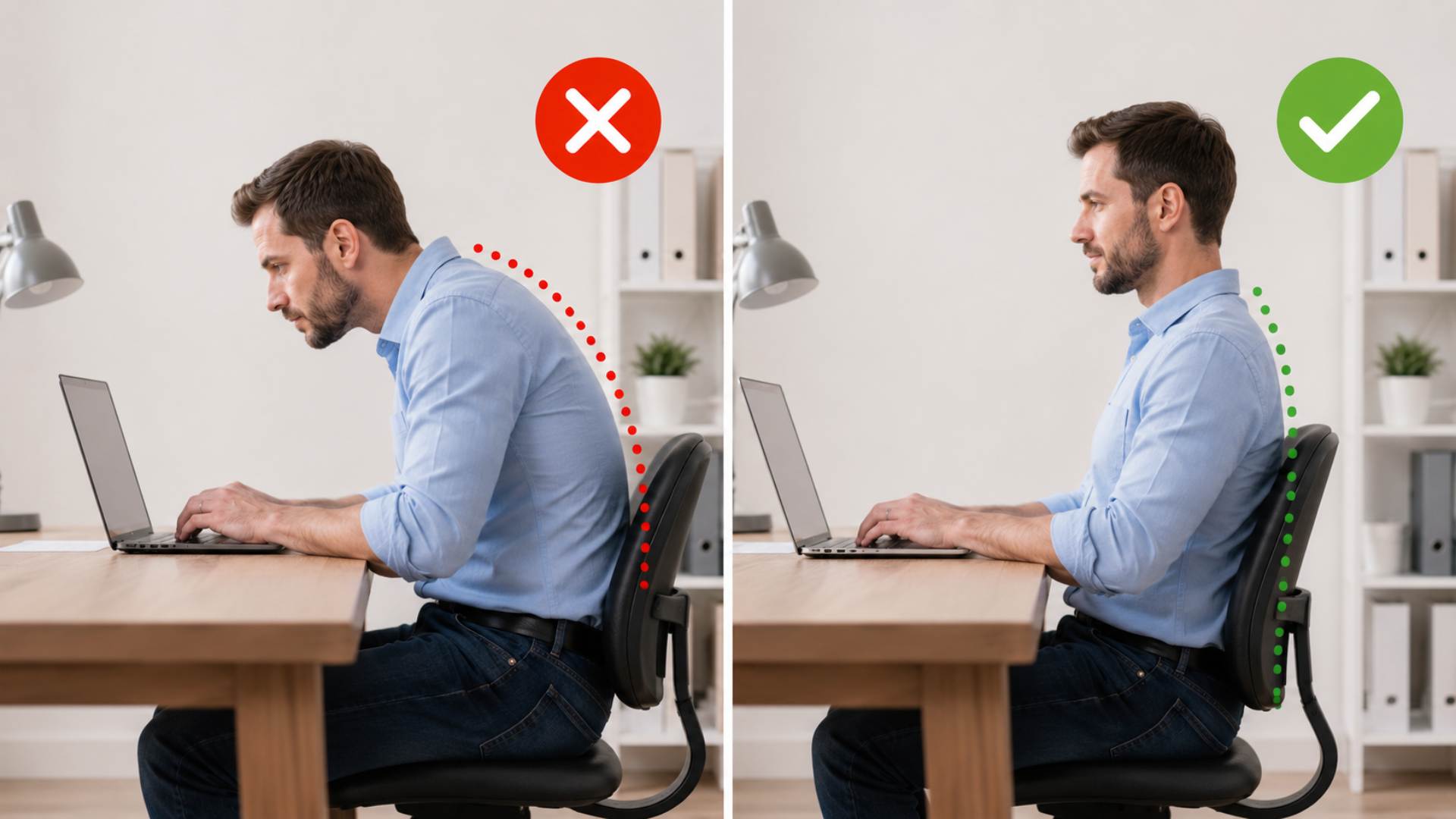
Forward head posture is the most common postural deviation in people who work at computers. To fix bad posture naturally in the neck and upper back, practice keeping the chin slightly drawn back rather than jutting forward. This does not mean forcing the chin down. It means gently retracting the head so the ears sit over the shoulders.
Maintain a Healthy Weight
Excess weight around the midsection shifts the center of gravity forward, which forces the lower back into an increased arch to compensate. Maintaining a healthy body weight reduces that anterior pull and makes natural posture correction considerably easier to achieve and hold.
Select Posture-Friendly Footwear

High heels shift the pelvis anteriorly and increase lumbar extension, contributing to lower back pain over time. Flat, supportive footwear that allows the foot to function in its natural position supports better alignment from the ground up. The standing position you maintain throughout the day is directly influenced by what your feet are doing at the base, and therefore, a good standing position directly influences your posture correction.
Evaluate Your Desk Ergonomics
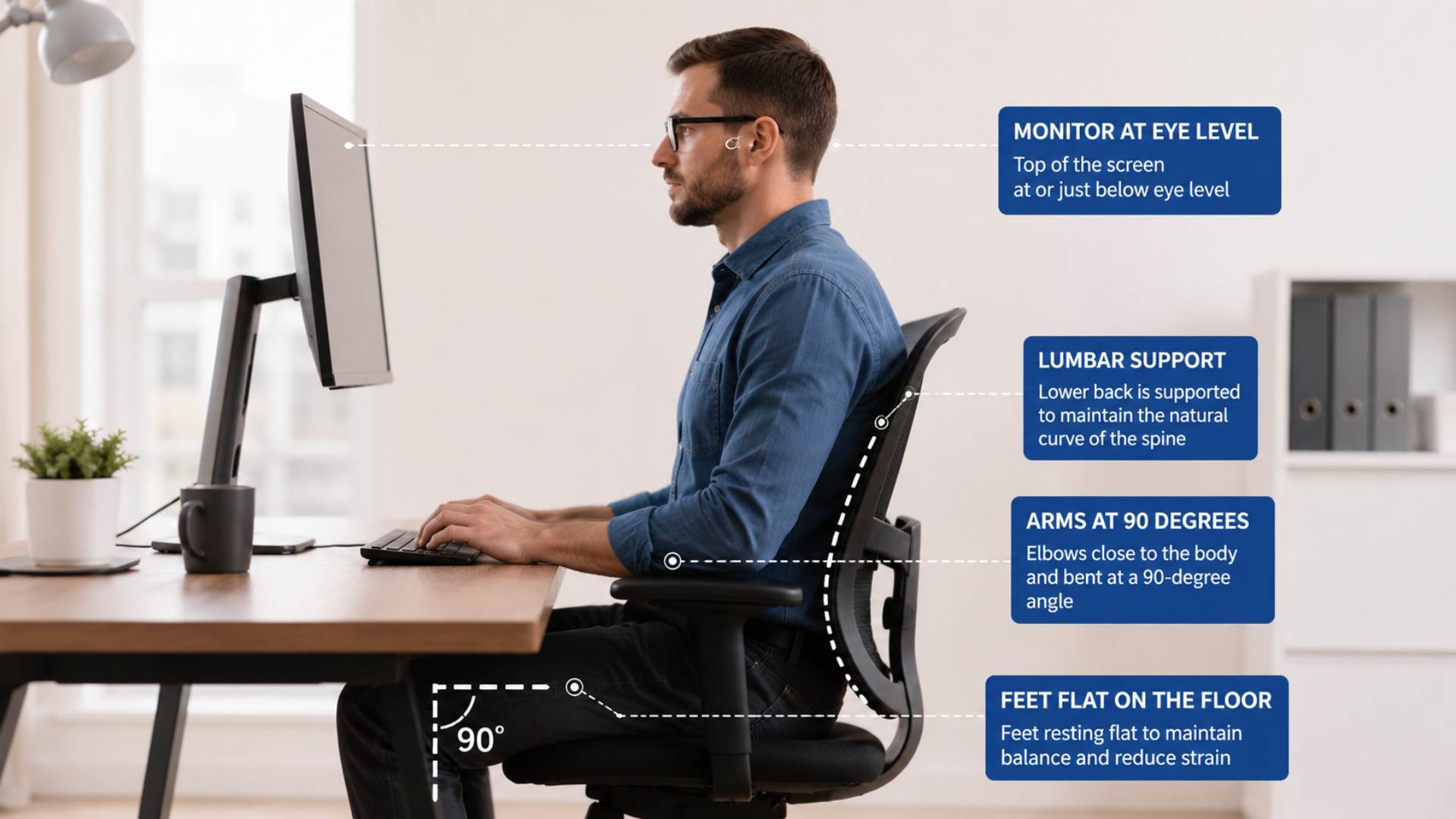
The ergonomic setup that actually helped my situation involved getting a chair with proper lumbar support, positioning the monitor at eye level, and keeping the keyboard close enough that the arms could rest at roughly 90 degrees. These changes did not fix everything immediately, but they stopped the daily loading pattern that had been accumulating for years.
Assess Your Sleep Position
Side sleeping with a pillow between the knees is the most supportive position for spinal alignment. It keeps the hips level, reduces rotational stress on the lumbar spine, and avoids the cervical strain that comes from stomach sleeping. Pillow height matters too. The goal is keeping the head in a neutral position relative to the shoulders instead of elevated or dropped to either side.
Five Simple Exercises That Help Straighten Your Posture
Wall Angels
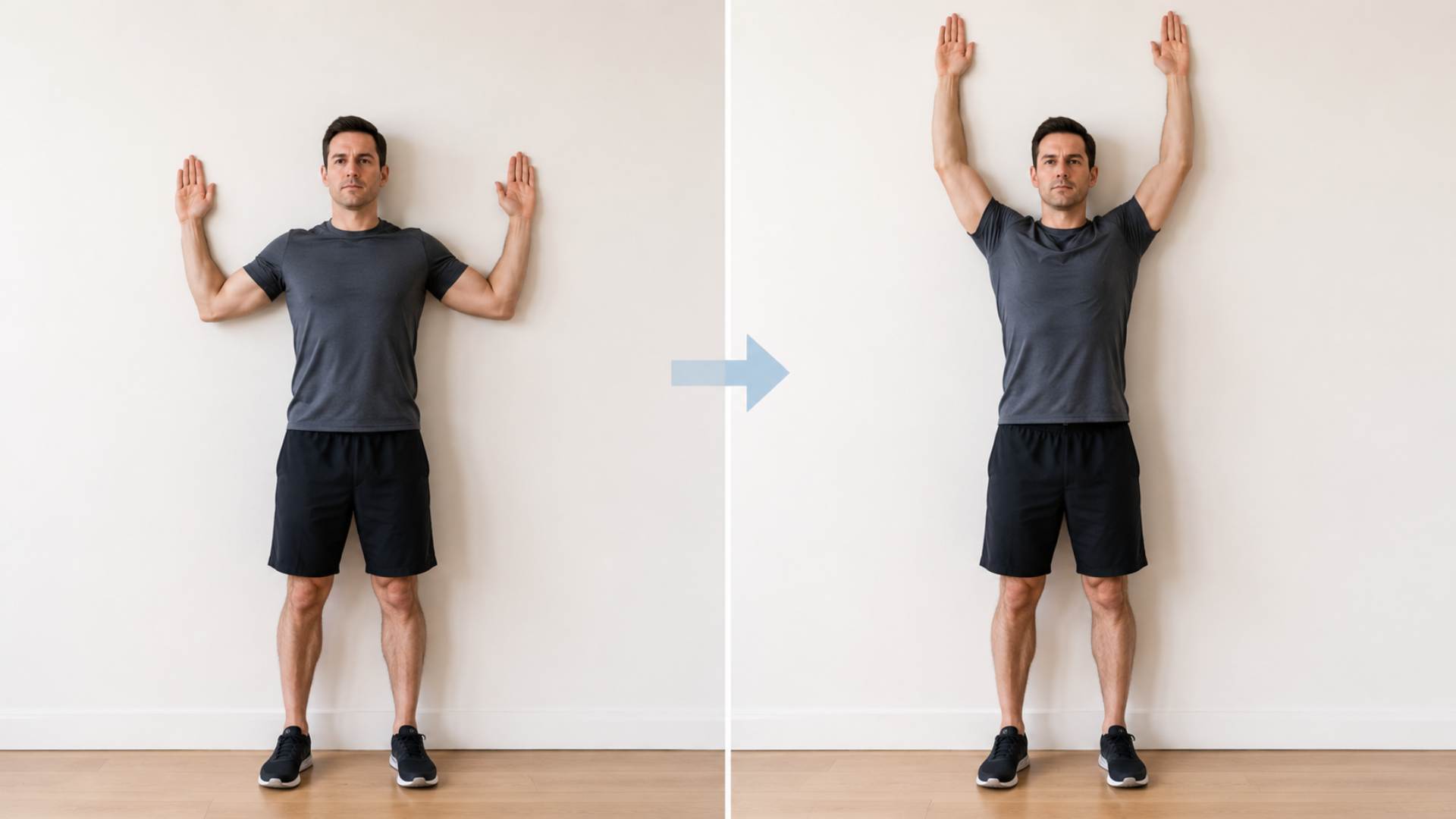
- Stand with your back flat against a wall, arms at 90 degrees, and slide them upward while maintaining contact with the wall throughout.
- This exercise works the lower trapezius and serratus anterior muscles that are chronically underactive in people with rounded upper back posture.
- Start with 10 repetitions and increase as the movement becomes easier to fix your bad posture naturally over time.
Chin Tucks
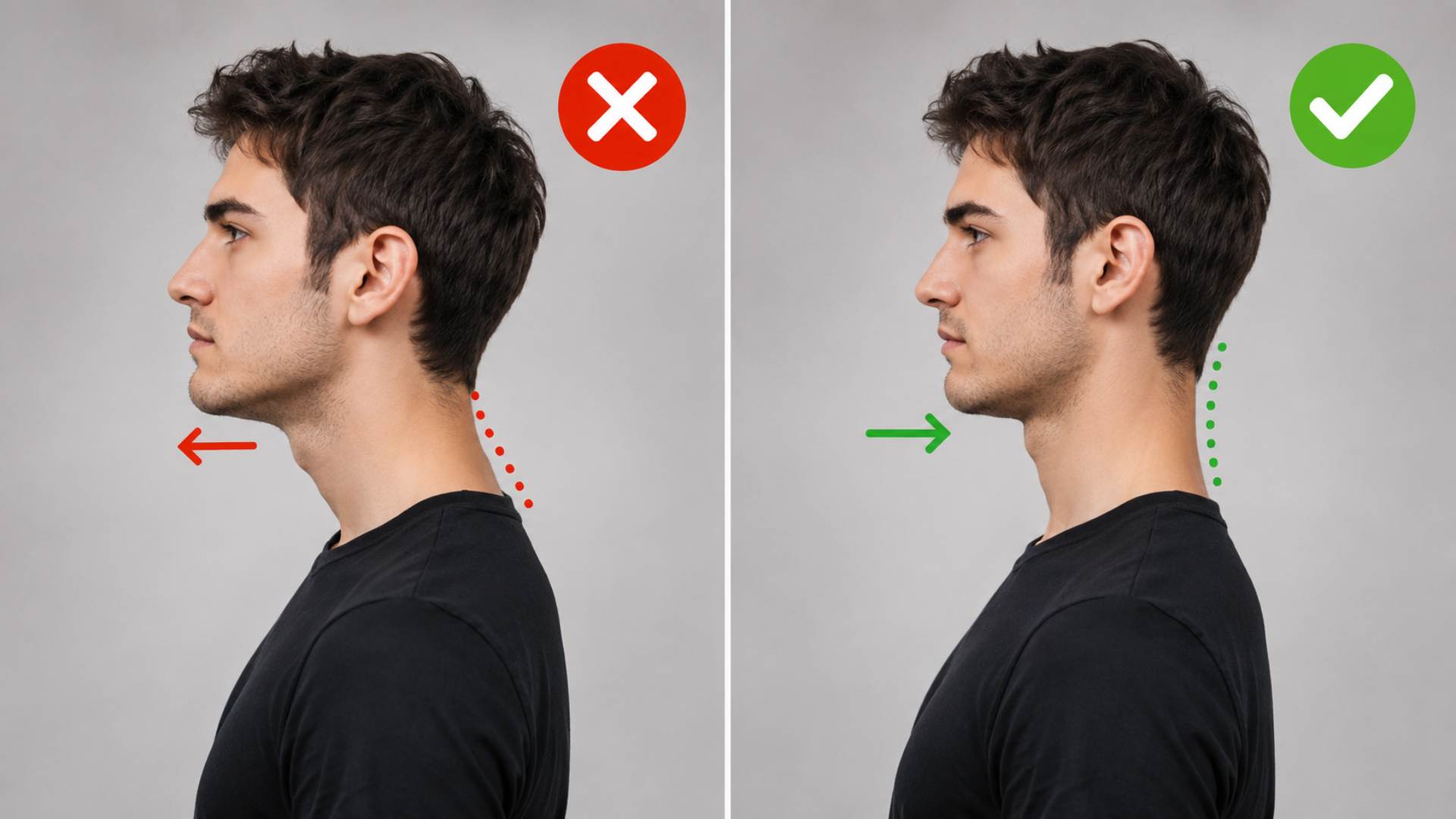
- While seated or standing, gently draw the chin straight back without tilting the head up or down.
- Hold for two to three seconds and release.
- This reactivates the deep cervical flexors that weaken with sustained forward head posture.
- Ten repetitions several times throughout the workday produce noticeable improvement in neck position over several weeks.
Shoulder Blade Squeezes
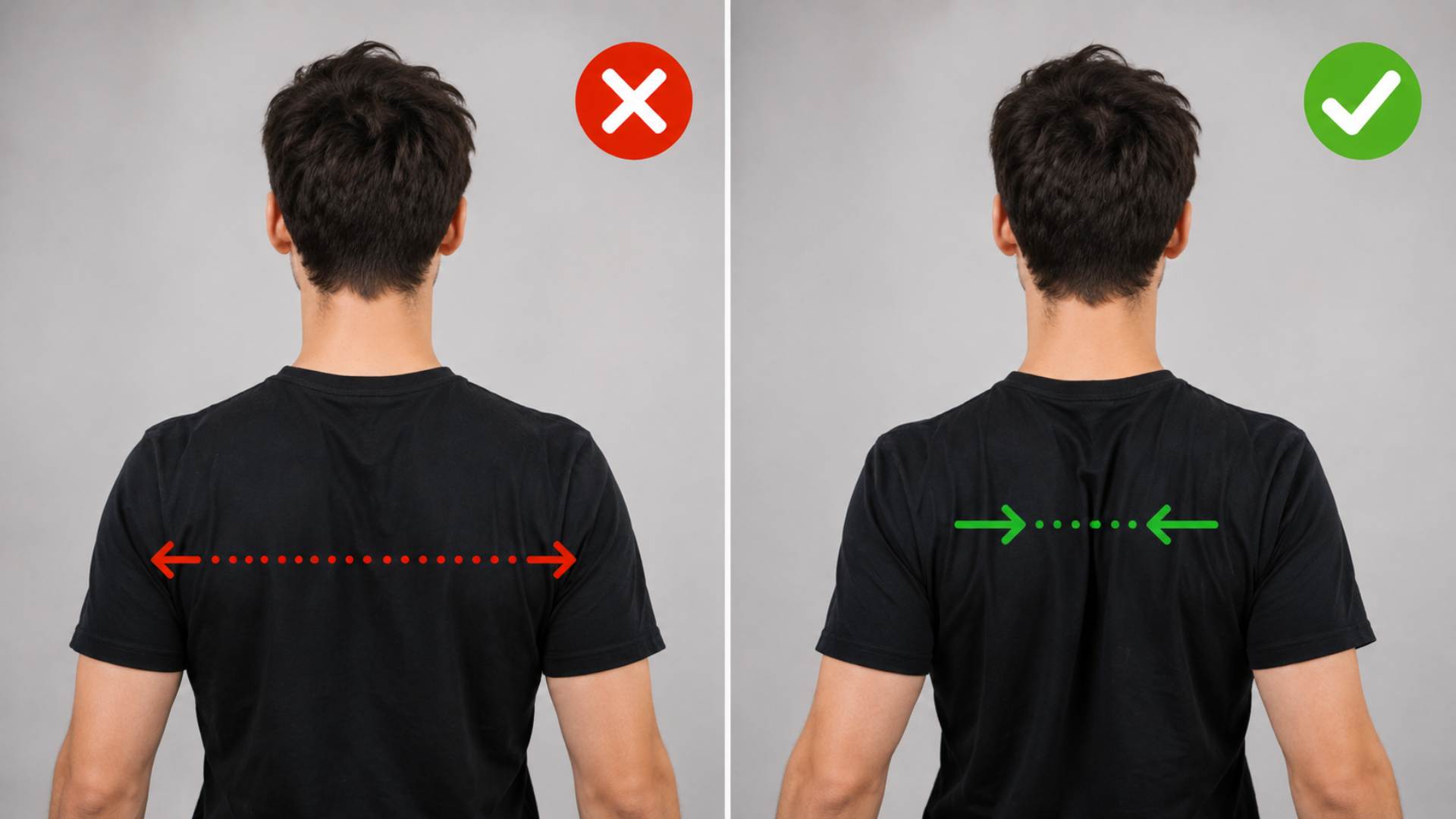
- Draw the shoulder blades together and hold for five seconds before releasing.
- This targets the rhomboids and mid trapezius, the muscles responsible for maintaining upright posture through the upper back.
- It can be performed seated at a desk without any equipment.
Bird Dog
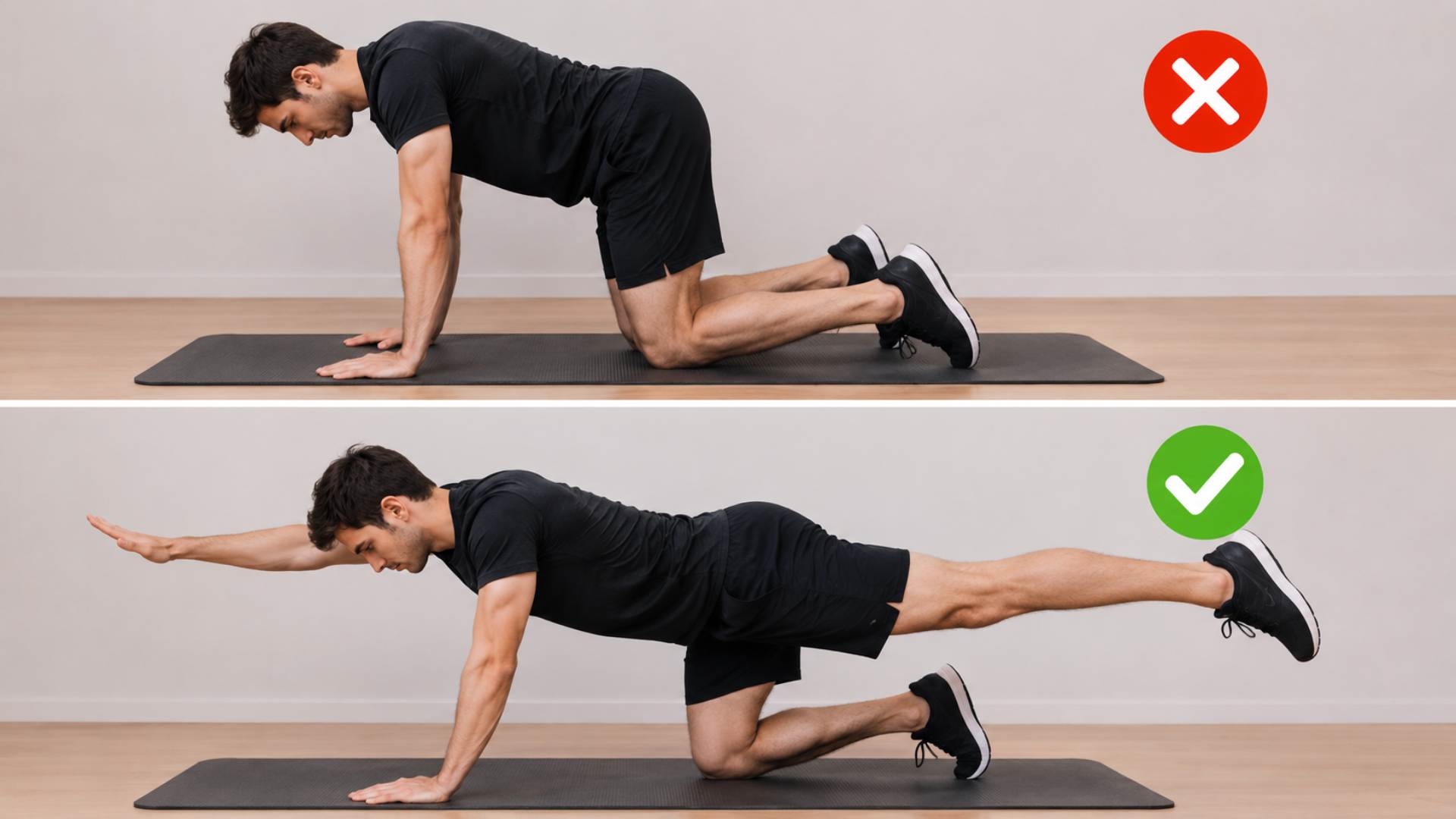
- Starting on hands and knees, extend one arm forward and the opposite leg back simultaneously whilst keeping the spine neutral.
- Hold for three seconds, return, and alternate sides.
- This exercise builds the core strength and lumbar stability that support upright posture throughout the day.
Cat-Cow Stretch
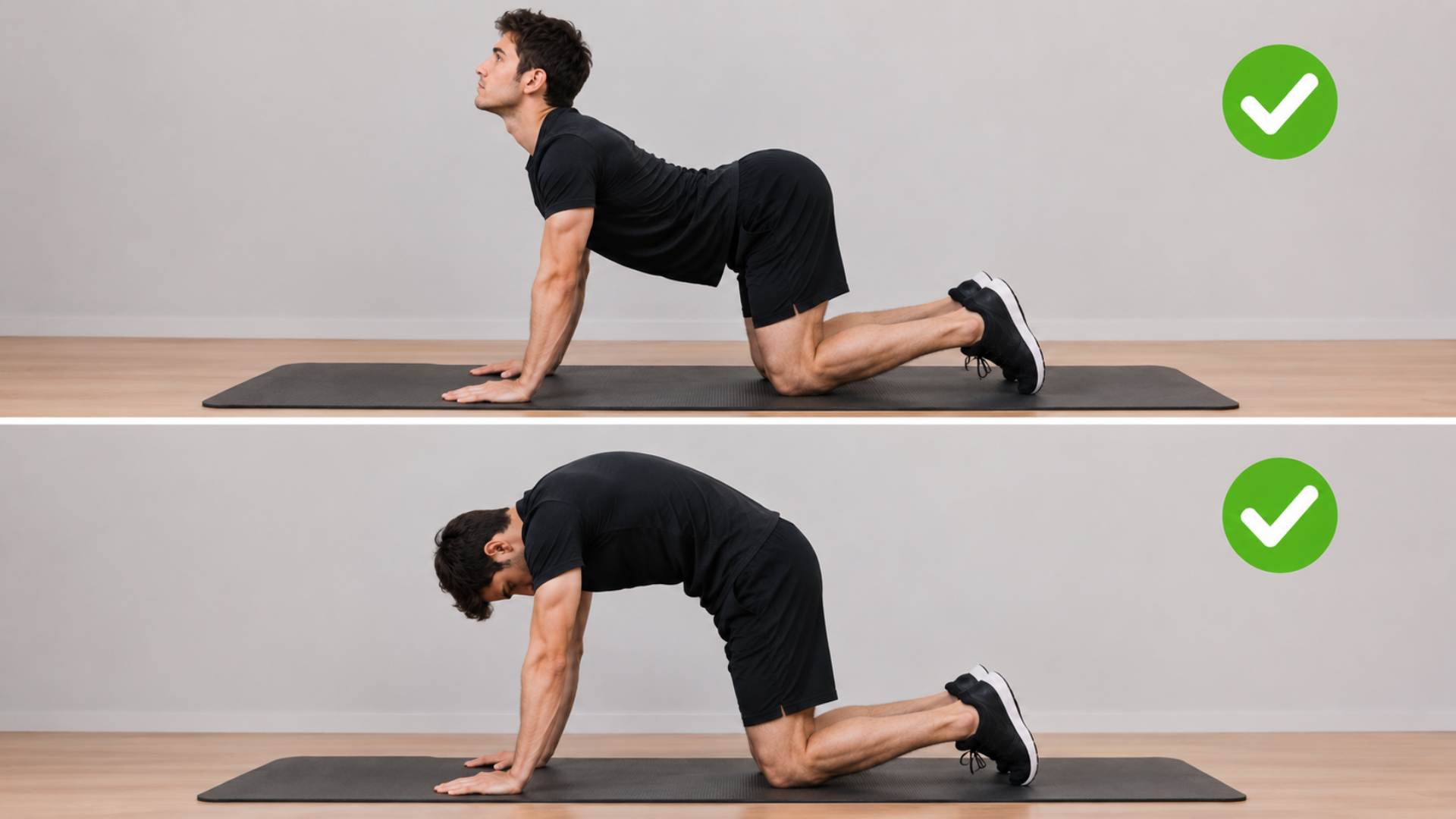
- Moving through spinal flexion and extension on all fours improves mobility exercises for the thoracic and lumbar spine that sitting positions consistently restrict.
- Ten slow repetitions at the start of the day or before a long work session keep the spine from locking into the flexed position that prolonged sitting promotes.
Simple Stretches That Loosen Tight Muscles
Chest Stretch

- Stand in a doorway and place forearms against the frame at shoulder height.
- Step one foot forward gently until a stretch runs across the front of the chest.
- Hold 30 seconds.
- Tight pectoral muscles are one of the primary structural contributors to rounded shoulder posture, and releasing them through daily stretching is essential for any meaningful natural posture correction.
Hip Flexor Stretch
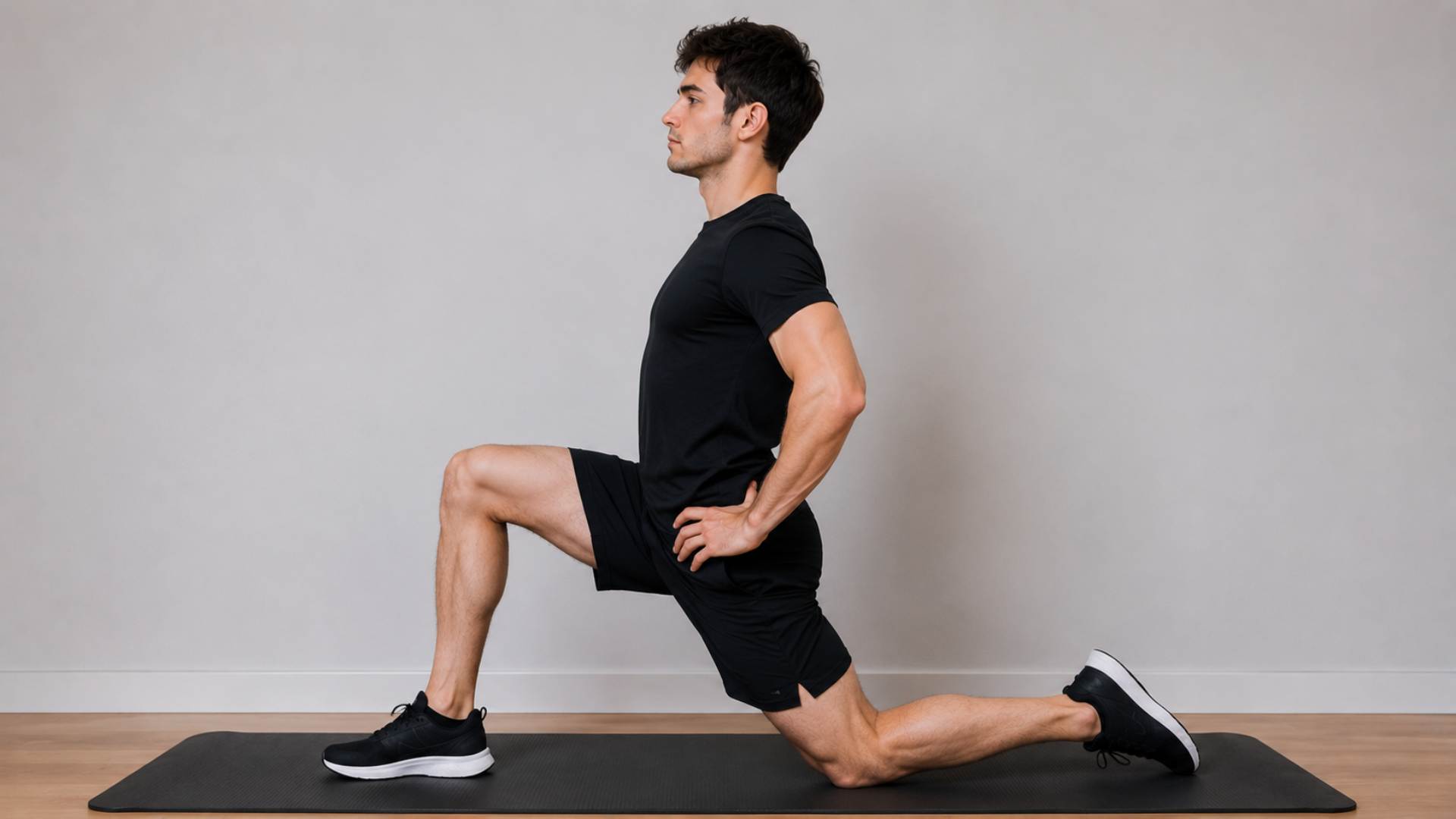
- Take a half-kneeling position with one knee on the floor and the other foot forward.
- Shift weight forward gently until a stretch develops through the front of the hip on the kneeling side.
- Tight hip flexors from sustained sitting tilt the pelvis anteriorly, which increases lumbar arch and makes back pain worse. This stretch directly addresses that pattern.
Upper Back Stretch
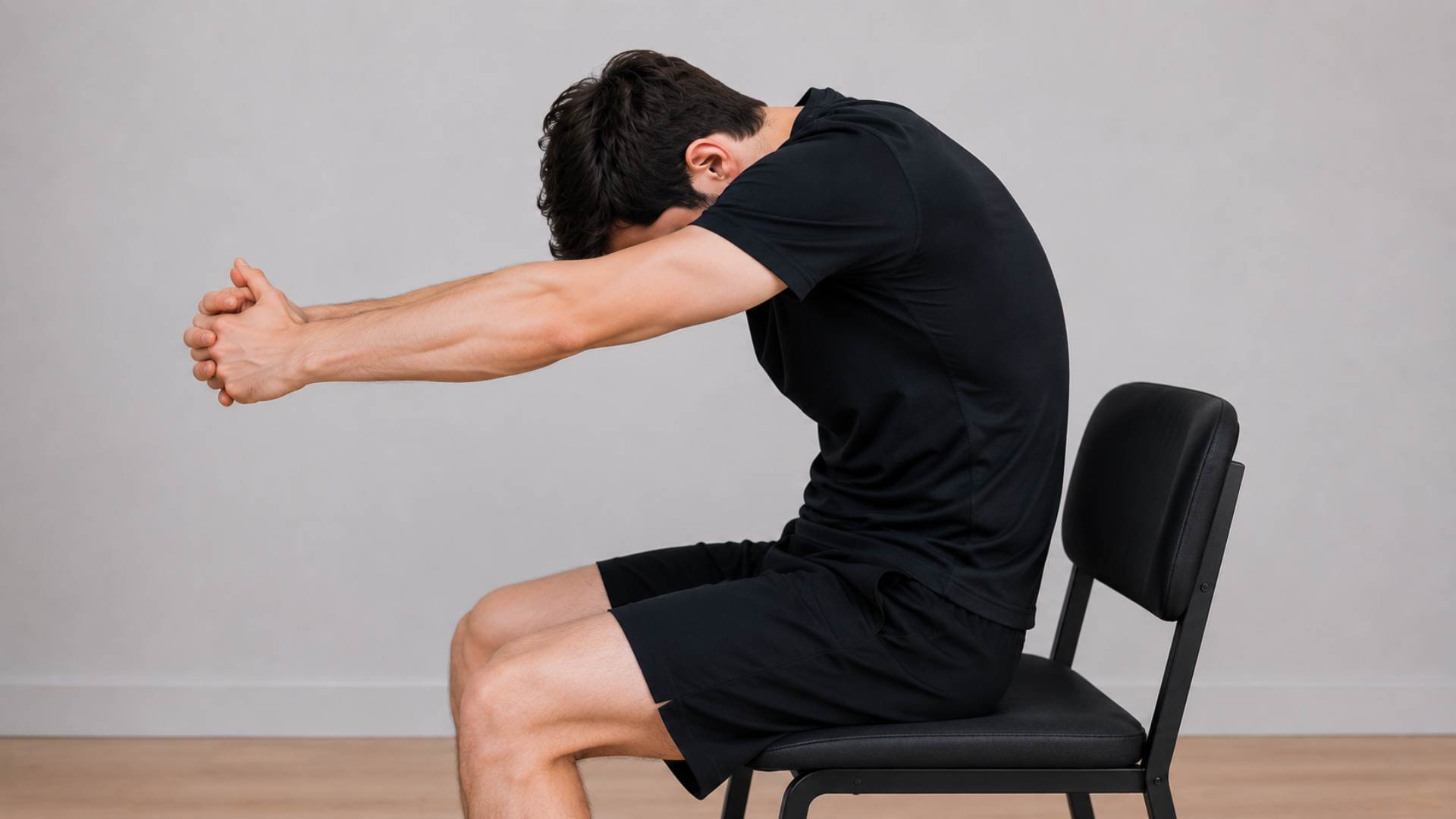
- Interlace fingers in front of the body, push the hands forward, and round the upper back while dropping the head.
- Hold for 20 to 30 seconds.
- This opens the thoracic spine, which gets compressed into extension restrictions in people who have spent years with a forward-rounded posture.
Neck Stretch

- Tilt the head to one side, bringing the ear toward the shoulder, and hold for 20 to 30 seconds before switching.
- This addresses the lateral neck tightness that develops alongside forward head posture and provides neck and back pain relief that feeds directly into better daily posture.
How Long Does Natural Posture Correction Really Take?
The honest answer is months rather than weeks for meaningful structural change in your bad posture, though. Pain and stiffness could decrease noticeably within two to four weeks of consistent practice. The spine and the surrounding soft tissue adapt to the positions they spend the most time in, and reversing years of accumulated habits requires consistent effort across a sustained period.
I was consistent with my workout routine through the years of poor sitting, and I am convinced that this kept my condition from getting significantly worse than it did. Fitness and regular movement bought me time and reduced severity. Actual correction required deliberate, targeted work on top of general fitness.
Final Thoughts: Better Posture Starts With Small Daily Choices
The path to fix bad posture naturally is not complicated, but it requires showing up for it consistently. The exercises above take less than 20 minutes combined. The daily habit changes around desk setup, sitting position, and phone use cost nothing beyond awareness. Fix bad posture naturally by addressing the habits that created the problem in the first place, not just the symptoms those habits produced. A year of consistent daily practice will produce changes that no single intervention could deliver, and the compound effect of small daily choices on posture health is one of the more reliable returns available in the entire physical wellness space.