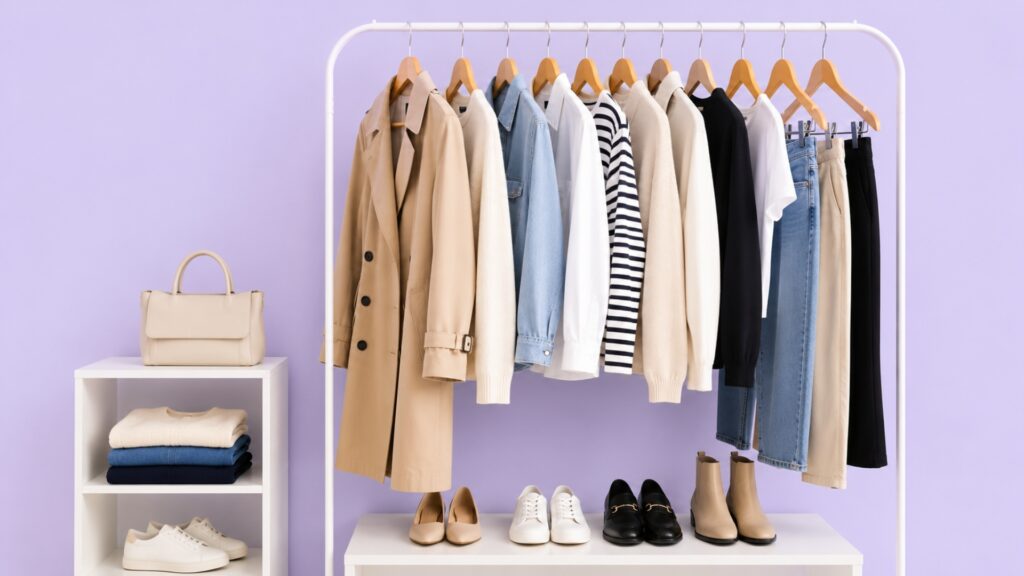

Most people open their closet in the morning and feel like they have nothing to wear, despite the fact that it is genuinely full. That contradiction is one of the most common wardrobe problems there is, and it points to the same underlying issue almost every time. Volume over intention.
A capsule wardrobe for beginners solves that problem directly by replacing quantity with a deliberate selection of pieces that actually work together. The result is a closet where getting dressed becomes straightforward rather than frustrating, where packing and unpacking have a clear process instead of a chaotic one, and where every item earns its place rather than just taking up closet space.
I’ll walk you through exactly how to build one from scratch in this blog, and you absolutely do not need to rush. You can go at your own pace, though the strategies I’ve listed here would definitely gonna help you build your own capsule wardrobe.
Table of Contents
What Is a Capsule Wardrobe and Why Is It So Popular?
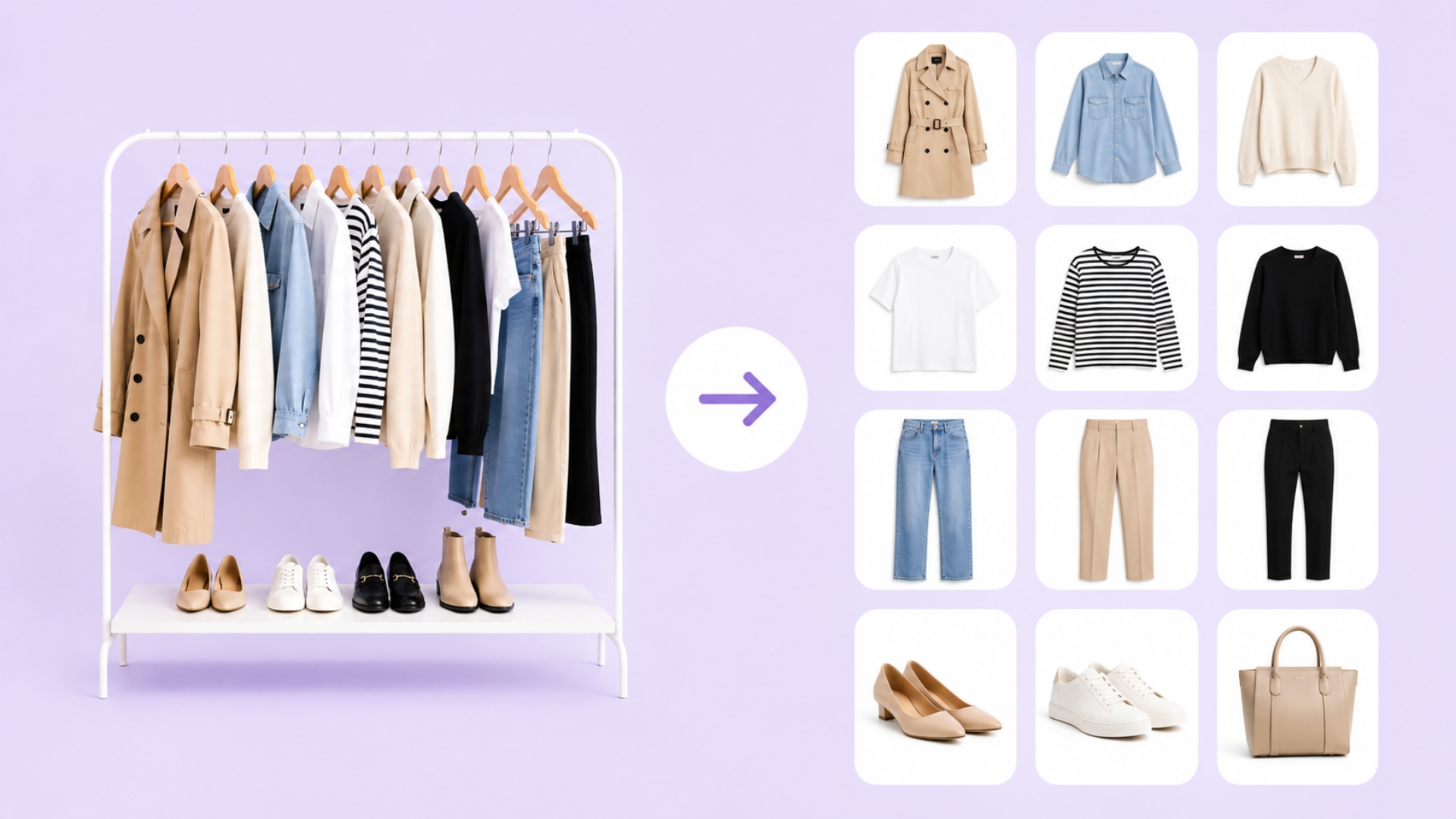
A capsule wardrobe is a curated collection of versatile clothing pieces that work together across multiple outfits without requiring constant new additions. The concept was formalized by London boutique owner Susie Faux in the 1970s and popularized further by designer Donna Karan’s Seven Easy Pieces collection in the 1980s.
The core idea is fashion simplicity through selection: fewer items, more combinations, and a closet that reflects how you actually live rather than aspirational purchases that never leave the hanger. The renewed interest in recent years tracks directly with the minimalist wardrobe conversation and the broader shift toward intentional consumption.
Before You Buy Anything, Start With Your Current Closet
The first and most important step in building a capsule wardrobe for beginners has nothing to do with shopping. Most people already own useful pieces they have lost track of under layers of things that no longer serve them.
Pull everything out. Not metaphorically, but physically. Every item needs to come off the rack and get looked at directly. The goal is identifying what you actually wear on a regular basis versus what has been hanging there for two years waiting for an occasion that never came. Honest wardrobe decluttering reveals a smaller collection of genuinely useful pieces that were buried under the rest.
Take out anything that does not fit your current body, your current lifestyle, or your current sense of personal style. Items bought for a previous job, pieces that fit two sizes ago, things kept out of guilt rather than use, all of those go. What stays is only what earns a place in how you actually live right now. That cleared space is your starting point, and starting from a clear foundation prevents the new capsule from immediately absorbing the same clutter that created the problem in the first place.
8 Simple Steps to Build a Capsule Wardrobe for Beginners
1. Define Your Lifestyle Needs
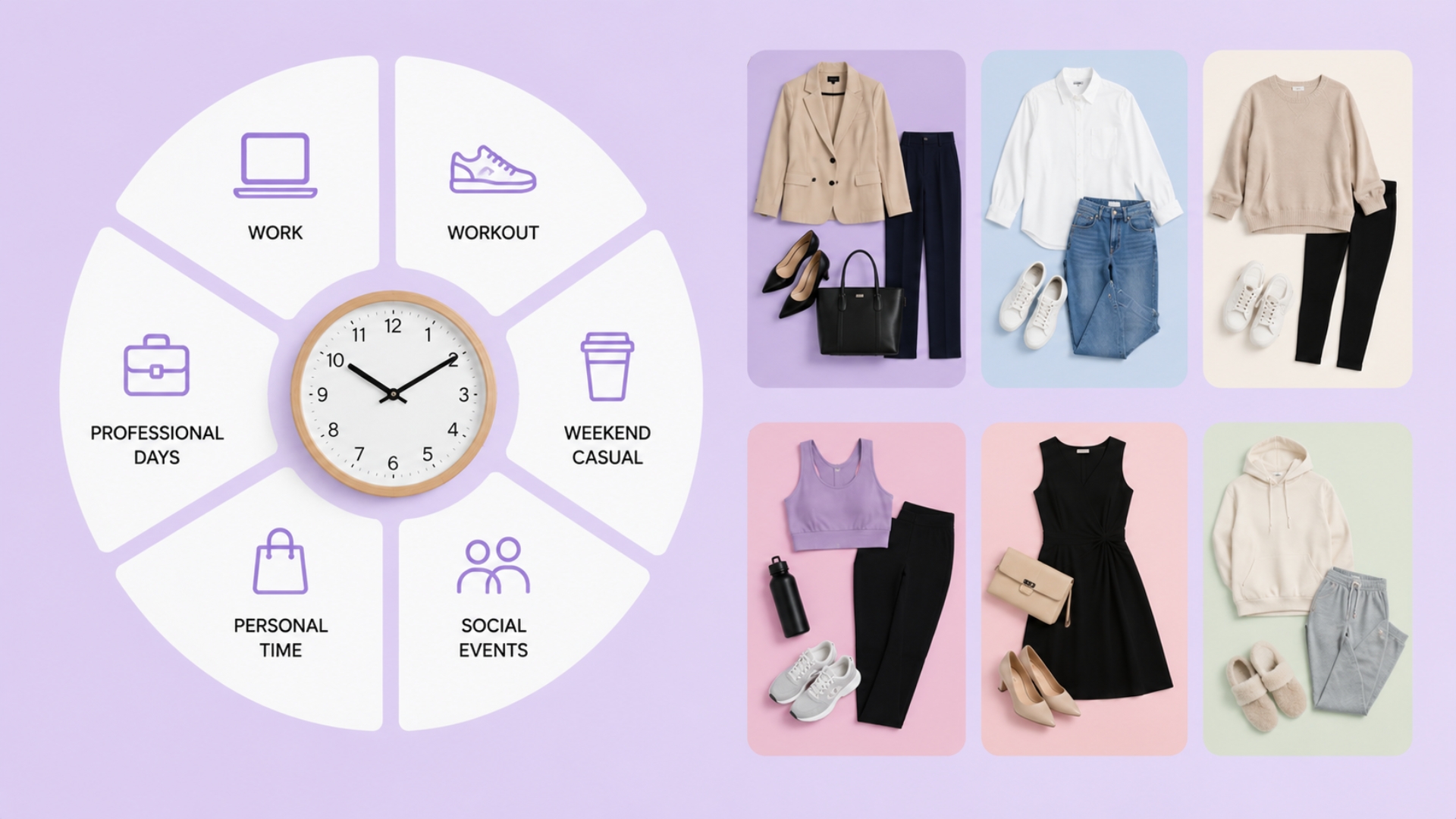
A capsule wardrobe for beginners that works for a teacher looks different from one that works for a creative freelancer or someone who works in finance. Before selecting a single piece, map out where you actually spend your time across a typical week. How many days require professional dress? How many days are casual? Do you exercise regularly in clothes that need to be part of the wardrobe? Do you go out socially on weekends? The answers to those questions determine the proportions of your capsule rather than some universal template.
2. Choose a Core Color Palette
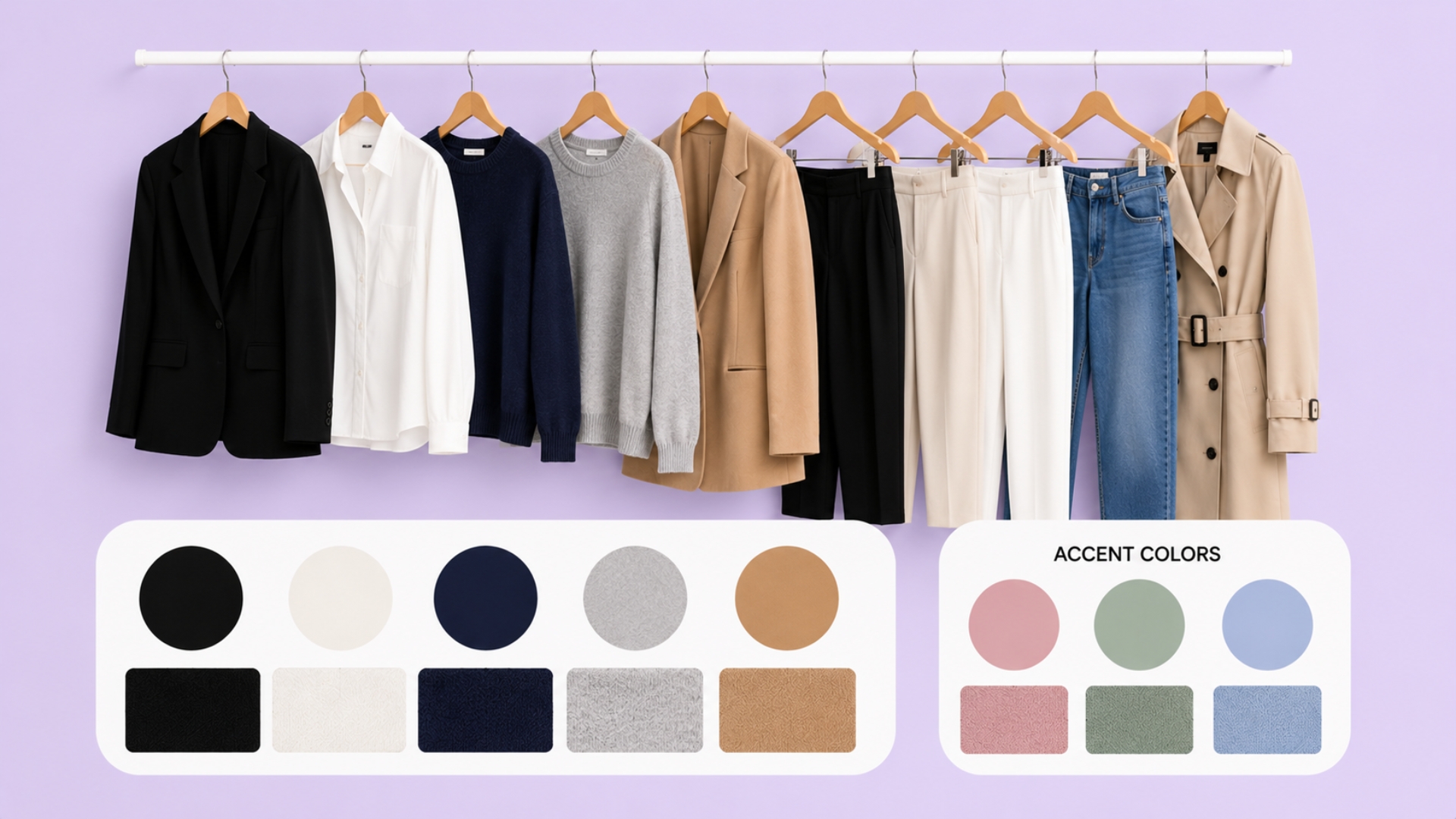
Neutral colors are the foundation of any functional capsule wardrobe for beginners because they create the maximum number of outfit combinations from the minimum number of pieces. Black, white, navy, grey, and camel all work across seasons and alongside each other.
Choosing two or three neutrals as your base and one or two accent colors as supporting tones creates the palette that makes everything mix. When every piece in the wardrobe works with every other piece in the wardrobe, getting dressed takes minutes rather than deliberation.
3. Identify Your Must-Have Basics
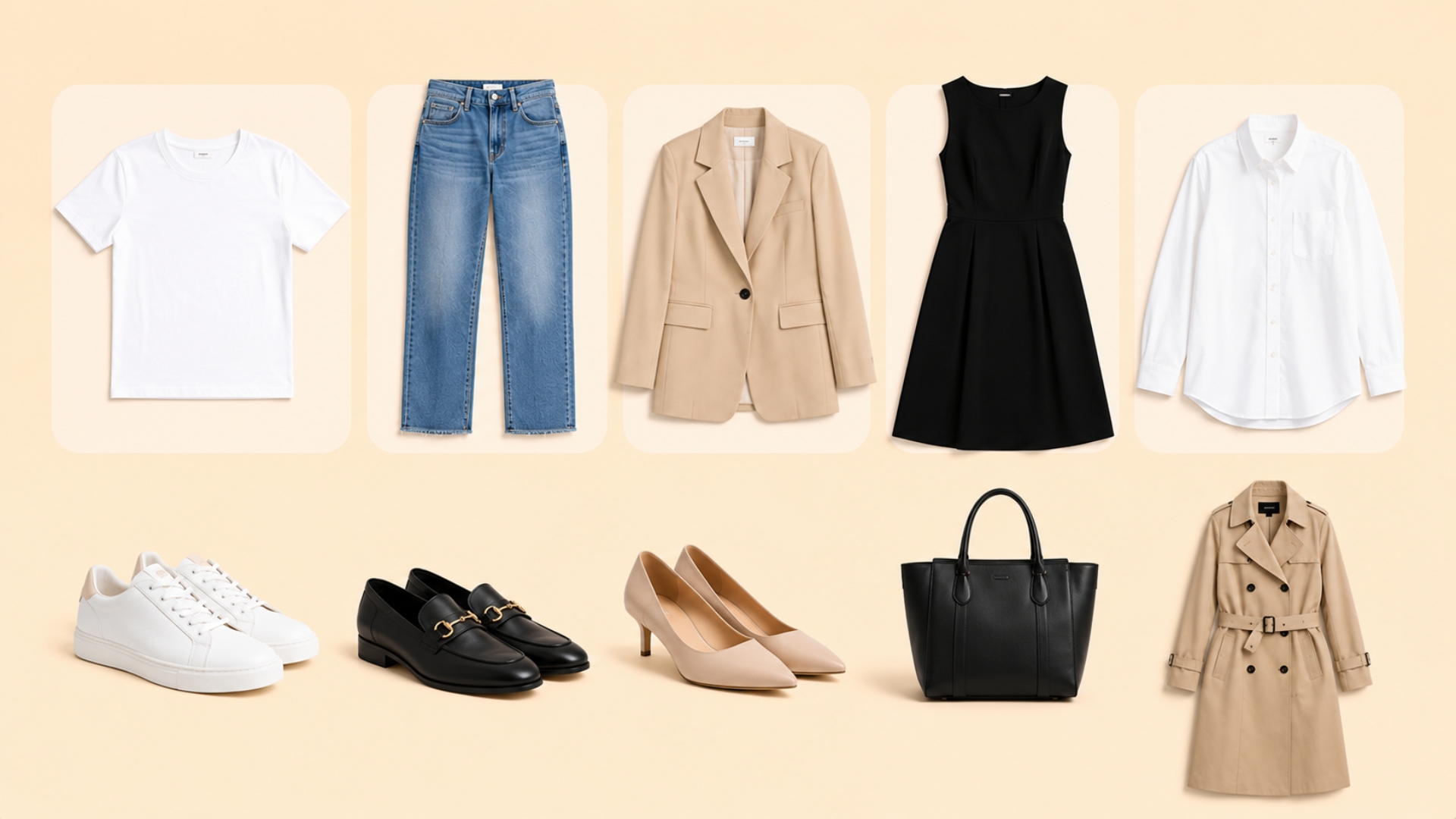
Clothing staples are the non-negotiable foundation pieces that your wardrobe organizes around. These are the items you reach for consistently rather than occasionally, the ones that appear in outfit after outfit.
A well-fitting pair of jeans, a clean white tee, a structured blazer, a simple dress that works for multiple occasions, these are the items that justify quality investment because they carry the most load in the wardrobe system.
4. Focus on Versatile Pieces
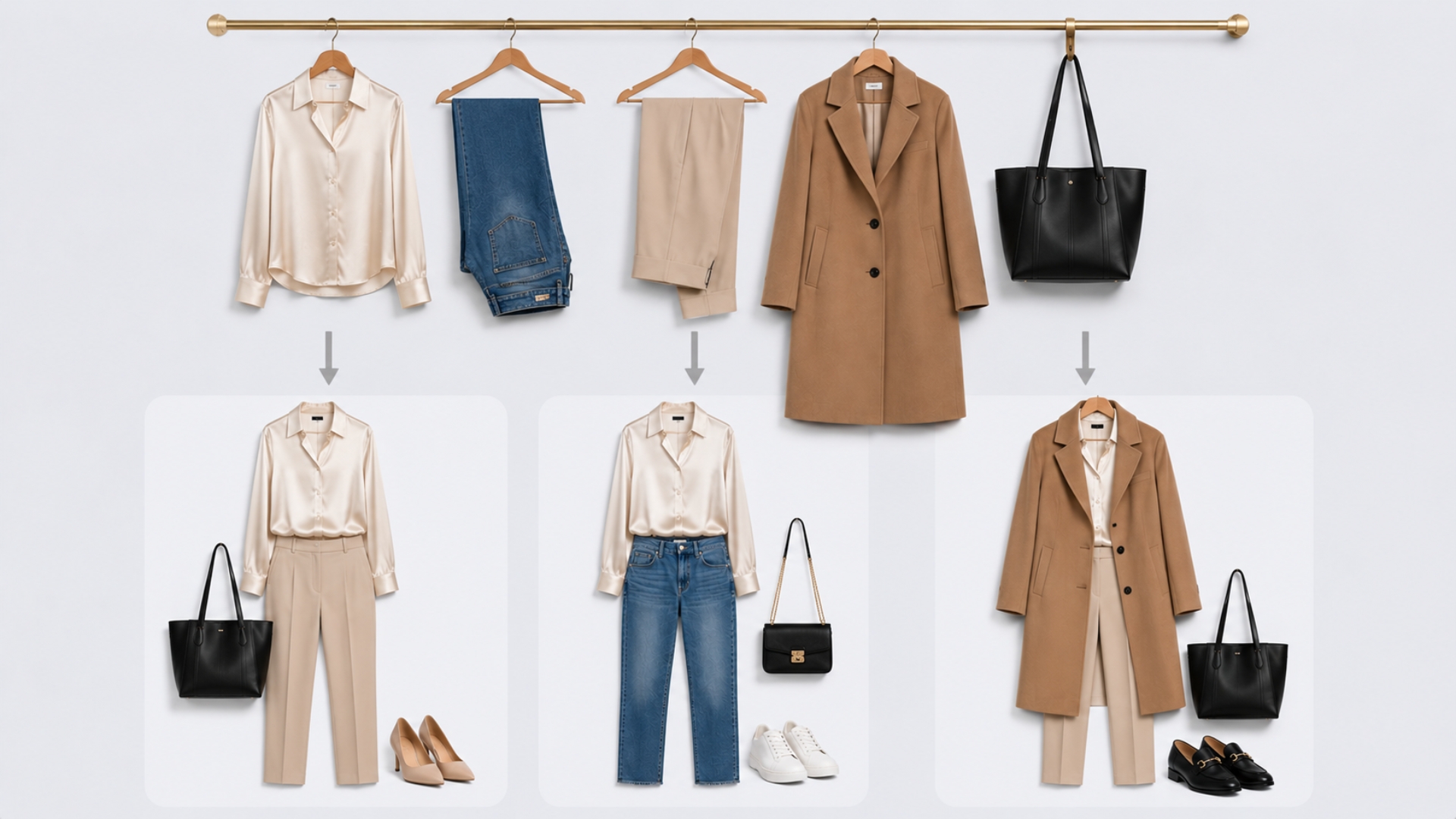
Every item in a capsule wardrobe for beginners should work across at least three different outfit combinations before it earns a place. Versatile pieces are the items that dress up or down depending on what surrounds them. A silk blouse works with tailored trousers for a professional setting and with jeans for a weekend lunch.
A camel coat works over a formal dress and over a casual sweater and denim combination. If a piece only works in one specific context, it is a statement item rather than a capsule item, and statement items come later once the foundation is solid.
5. Fill Gaps Strategically
After the declutter and the basics identification, there will be genuine gaps in the wardrobe. A seasonal wardrobe that is missing a transitional layer, a professional wardrobe missing a second pair of trousers, a casual collection missing reliable footwear. Smart shopping at this stage means buying specifically to address those gaps rather than browsing and purchasing whatever appeals in the moment.
Make a list of what is missing. Buy only what is on the list. That discipline is what keeps a capsule wardrobe from gradually expanding back into the closet chaos it was designed to replace.
6. Prioritize Quality Over Quantity
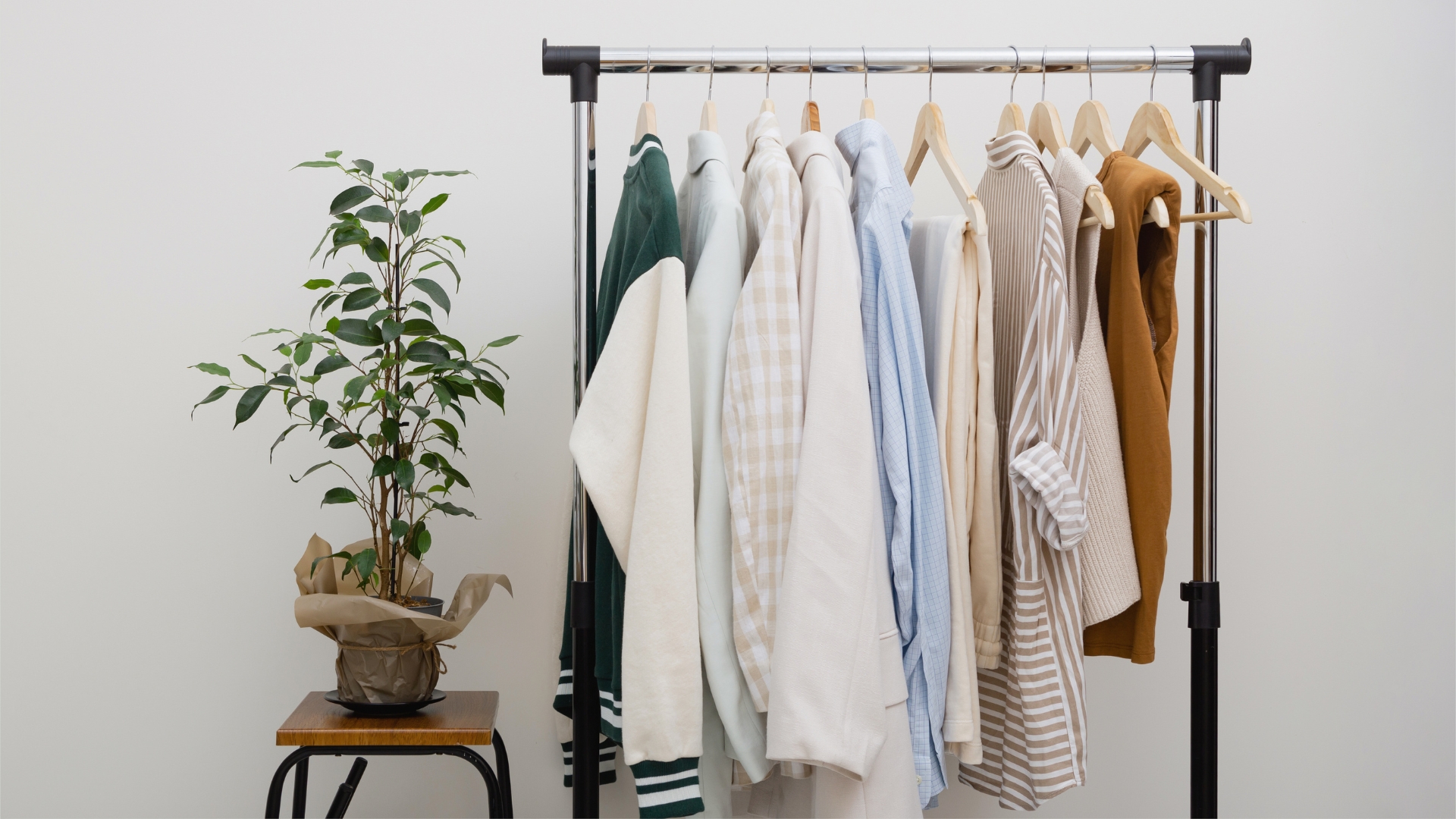
Quality pieces in the foundational categories justify higher cost because they last longer, wear better, and hold their shape and color across the years of use a capsule wardrobe demands of them.
A well-constructed pair of trousers worn 100 times over three years costs far less per wear than a cheap equivalent that fades and loses its shape after 15 washes. The capsule framework naturally shifts spending toward fewer, better items, and the result is a wardrobe that actually looks better over time rather than deteriorating with use.
7. Create Multiple Outfit Combinations
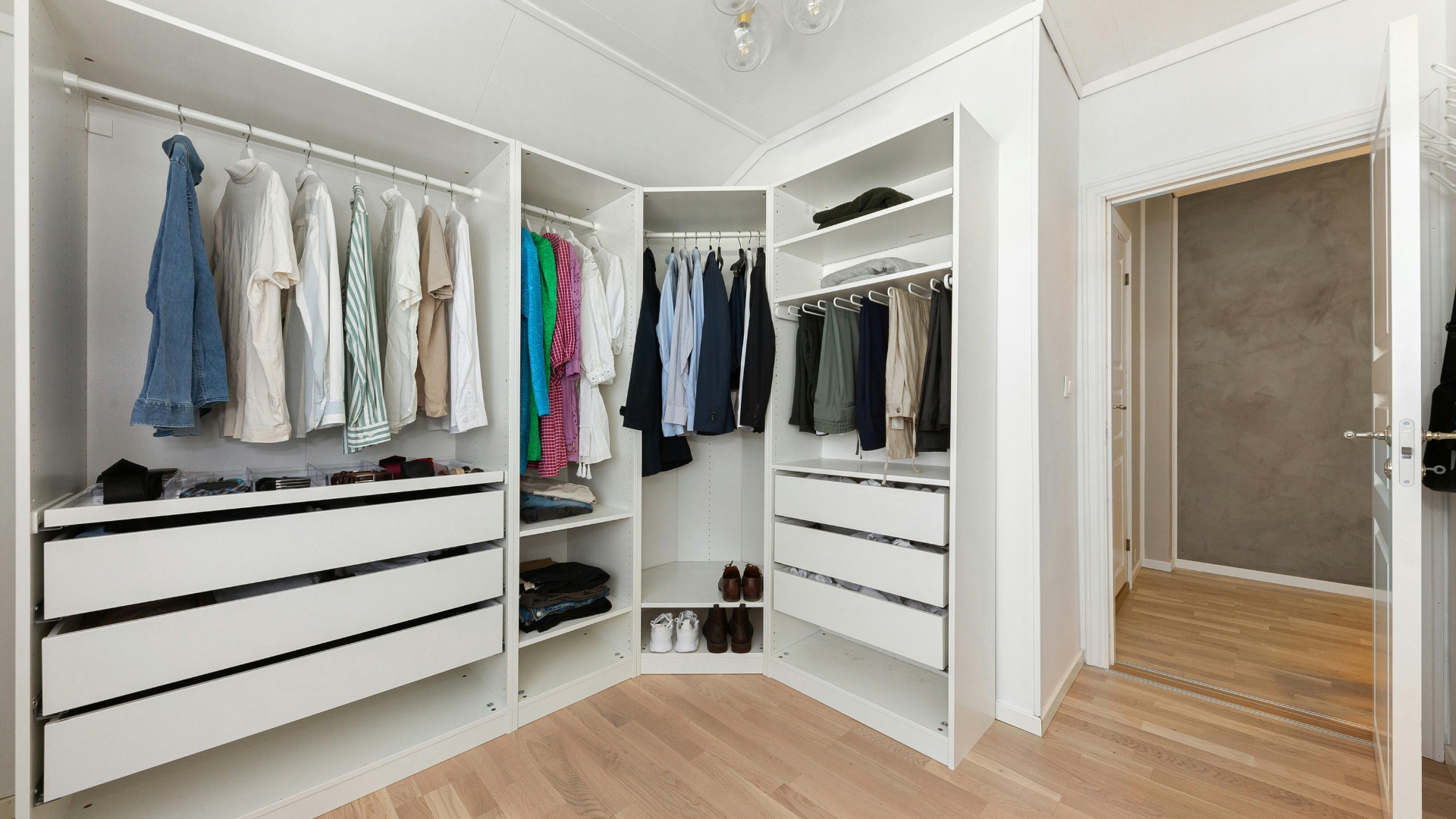
Before considering the capsule wardrobe complete, work through the actual outfit combinations the current collection produces. Lay out the pieces together or use a notes app to map out how each item connects with others.
A collection of 30 well-chosen pieces should produce well over 50 workable everyday outfits. If the combinations are coming up short, that reveals which categories need reinforcement and where the next additions should focus.
8. Keep Refining as You Learn
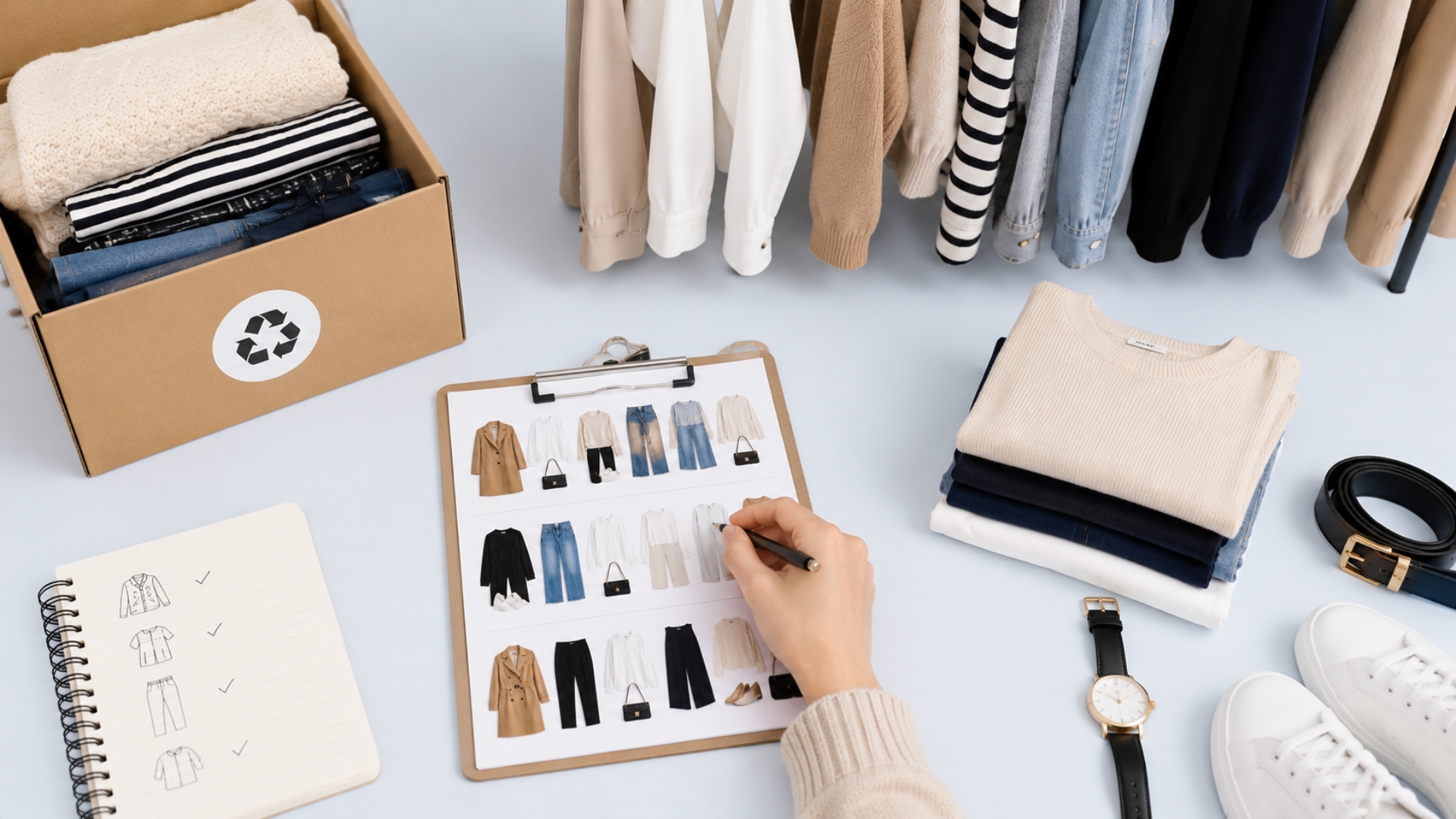
A capsule wardrobe for beginners is a starting point rather than a finished product. The first version will not be perfect, and that is completely expected. Some pieces will turn out to be worn constantly.
Others will reveal themselves as less useful than they appeared on paper. Reassess every season, remove what is not pulling its weight, and replace it with something that addresses a genuine gap. The capsule gets stronger over time as you develop a clearer sense of what your specific lifestyle and personal style actually require.
What Should a Beginner Capsule Wardrobe Include? Essential Items
A solid minimalist wardrobe essentials list that makes getting dressed fuss-free and enjoyable:
- Basic Tees and Tanks
- A Chic Black Purse
- Crewneck Sweater
- White Sneakers
- Black Jeans
- Classic White Button-Down Shirt
- Strappy Heels
- Cardigan
- Denim Jacket
- Ballet Flats
- Leather Jacket
- Black Maxi Dress
- Black Blazer
- Long Coat
- Blue Jeans
- Loafers
- Silk Dress
- Boots
These 18 items form the practical core of how to build a capsule wardrobe for women at any stage of life or career. Each one connects to multiple others in the list, which is what produces the outfit combinations that make the system work in practice rather than just in theory.
Wrapping Up…
A capsule wardrobe for beginners is not about wearing the same thing every day or letting go of personal expression. It is about building a foundation of essentials that make getting dressed a simple, reliable process rather than a daily source of decision fatigue. The time and energy previously spent standing in front of a full closet feeling like nothing works gets redirected toward the actual day. Start with what you already own, build the palette, fill the gaps deliberately, and let the wardrobe refine itself over a few seasons of honest use. The result is a closet that is genuinely easier to live with, and that simplicity turns out to be worth considerably more than the volume it replaced.