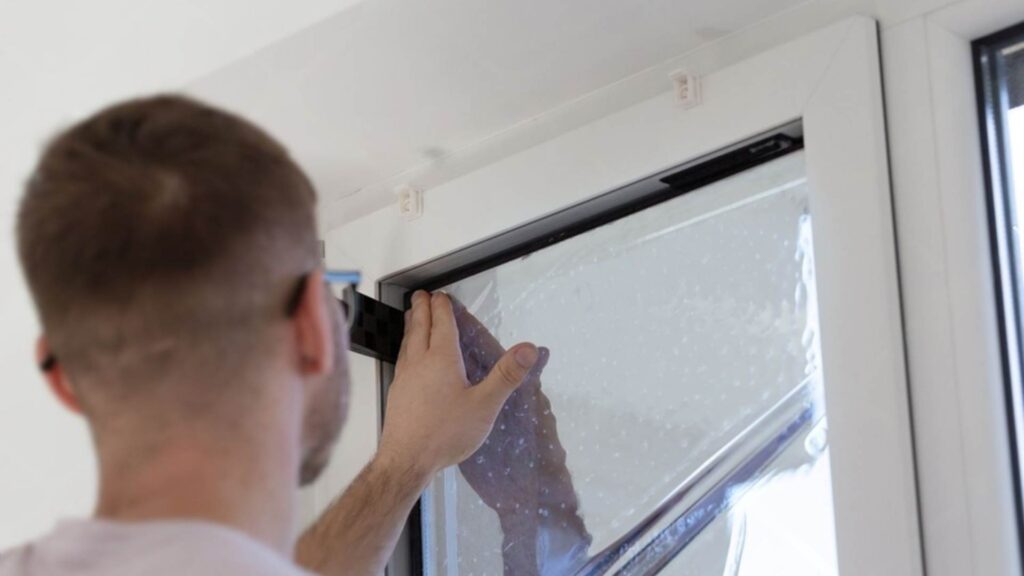

Glass has always been one of the trickiest parts of home design. Isn’t it? It lets in light and obviously wouldn’t offer you any sort of flexibility once it’s installed. That is exactly the gap decorative window films have filled over the past several years, and 2026 is shaping up as one of the strongest years yet for the category.
Homeowners and designers alike are leaning into film as a fast, affordable window film for home upgrades that skips the cost and mess of touching actual glass. We really spent hours on research and here we are with the latest window film trends shaping interiors right now.
Alongside, we’ll help you figure out how you can pick the right one for your specific space, and what actually goes into a proper installation. Scroll down ↓
Table of Contents
Why Decorative Window Films Are More Popular Than Ever
A few clear reasons explain why decorative window films have moved from a niche product into a mainstream home upgrade.
- Affordable Alternative to Glass Replacement: Full glass replacement with etched, frosted, or decorative panels can run $25 to $100 or more per square foot installed, whereas film delivers a nearly identical look for a fraction of that price.
- Better Privacy Without Blocking Natural Light: Unlike heavy curtains or blinds, privacy window film keeps daylight flowing into a room while still blocking direct sightlines from outside.
- Easy DIY Installation: Static cling window film and adhesive backed options both go up without special tools, making this one of the rare home upgrades a beginner can tackle in an afternoon, part of the broader home window decor movement toward do it yourself projects.
- Stylish Designs for Every Interior: From minimalist frosted patterns to full stained glass reproductions, decorative window films suit nearly every interior style and budget.
10 Decorative Window Film Trends You’ll Love in 2026
Here are the latest window film trends actually showing up in homes and offices this year, along with what makes each one worth considering.
1. Minimalist Frosted Glass Films
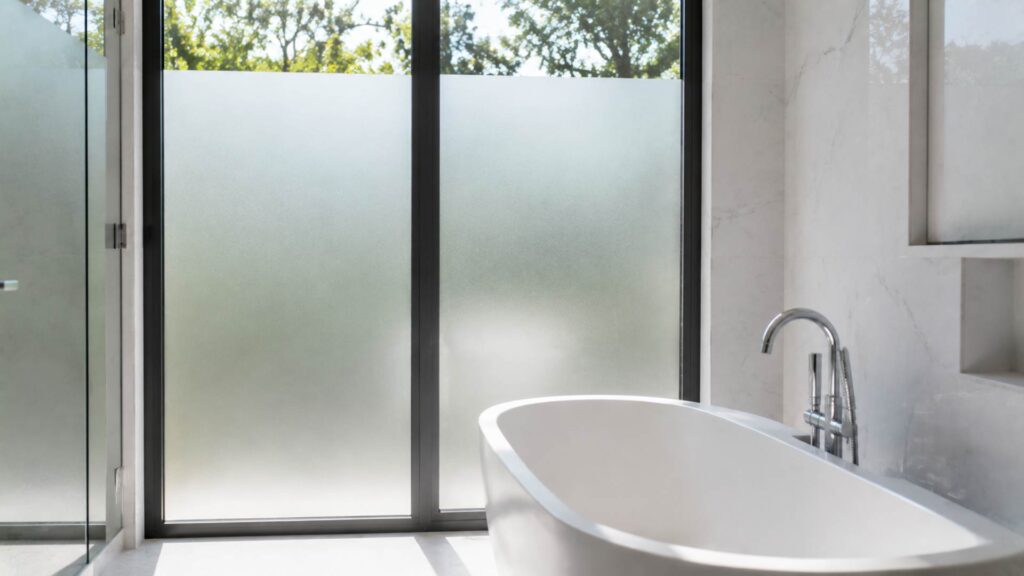
Frosted window film remains the single most requested style among decorative window films for a reason. It blocks direct sightlines while letting soft, diffused light fill a room. The 2026 shift here is toward cleaner, more minimal frost patterns rather than the heavier, more textured frost styles popular a few years back. It works especially well in bathrooms and home offices since it’ll give you much better privacy and so is productivity.
2. Fluted and Reeded Glass Designs Window Films
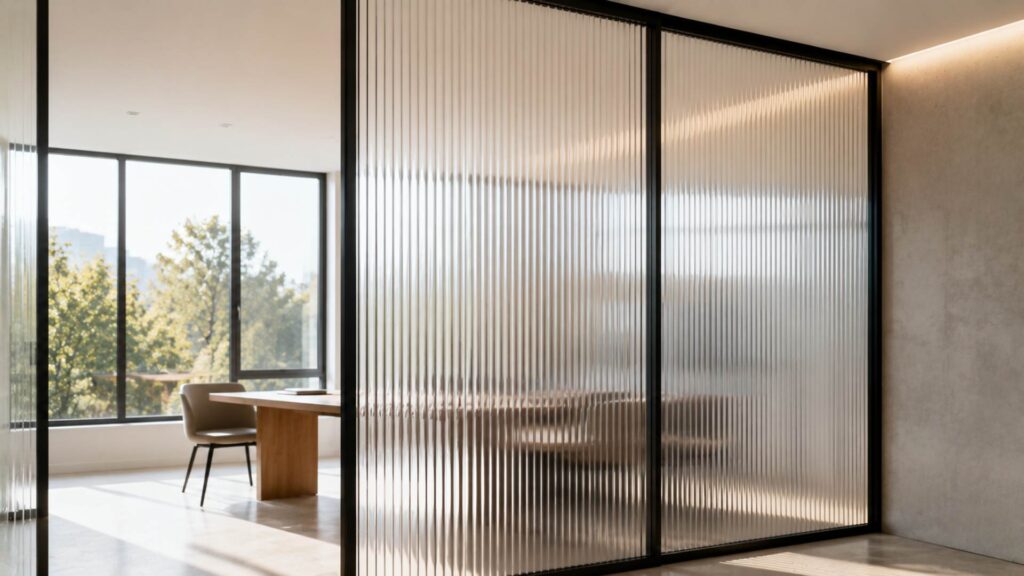
Fluted and reeded patterns, those tall, evenly spaced vertical ridges borrowed straight from high end architectural glass design, have become one of the standout decorative window films of the year. They add real texture and dimension without fully obscuring the view. It stays popular for interior glass partitions as much as actual windows.
Another Good Read: 15 Brilliant Ways to Brighten a Dark Hallway
3. Stained Glass Inspired Patterns Window Films
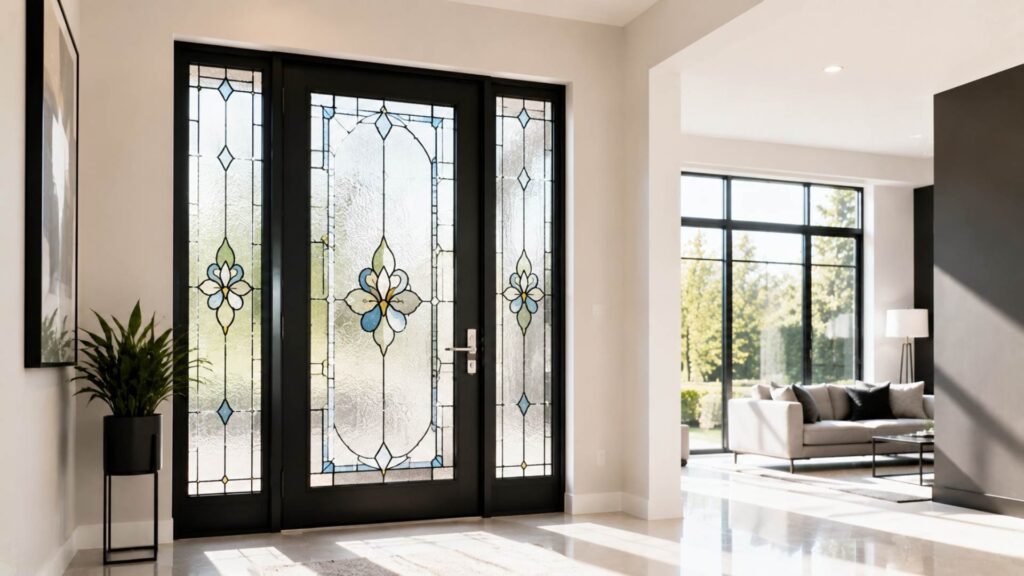
Stained glass window film has come a long way from the clumsy, cartoonish versions sold a decade ago. Modern printing techniques now replicate the depth and color variation of genuine leaded glass convincingly enough that most guests need a second look to tell the difference. It remains a favorite for front doors, entryways, and older homes trying to preserve a period appropriate look.
4. Geometric and Abstract Prints Window Films
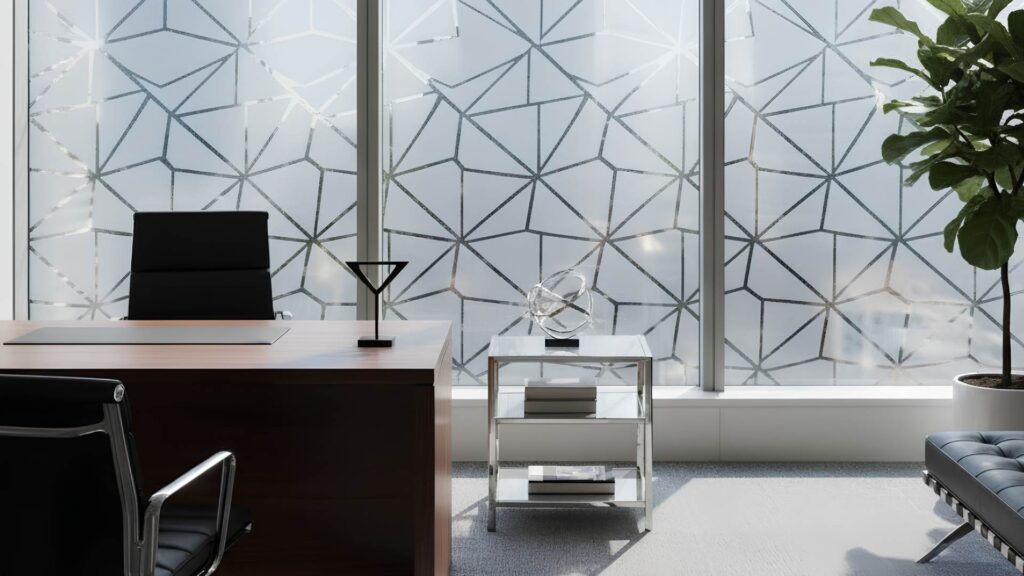
Bold geometric shapes and abstract line work have become a defining look among decorative window film ideas for 2026, especially in newer builds leaning into a more modern window film aesthetic. These patterns work particularly well in living rooms and dining areas where a window doubles as a design feature.
5. Nature Inspired Botanical Designs Window Films
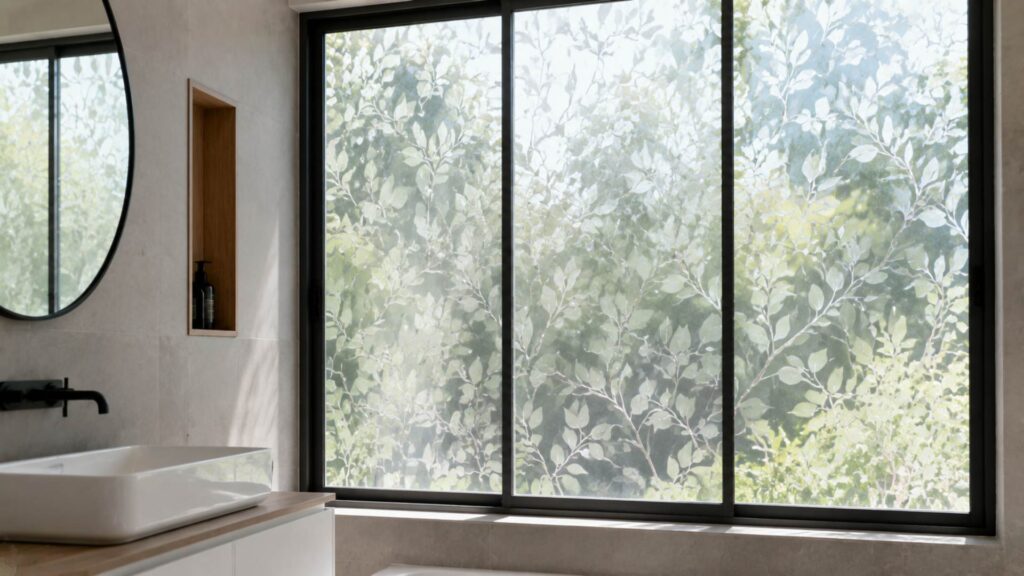
Leaf silhouettes, branch patterns, and organic botanical prints continue trending upward, part of a broader shift toward biophilic design across home decor generally. These films soften a room’s feel considerably compared to sharper geometric options, and they pair especially well in bedrooms or reading nooks.
6. Gradient Privacy Window Films
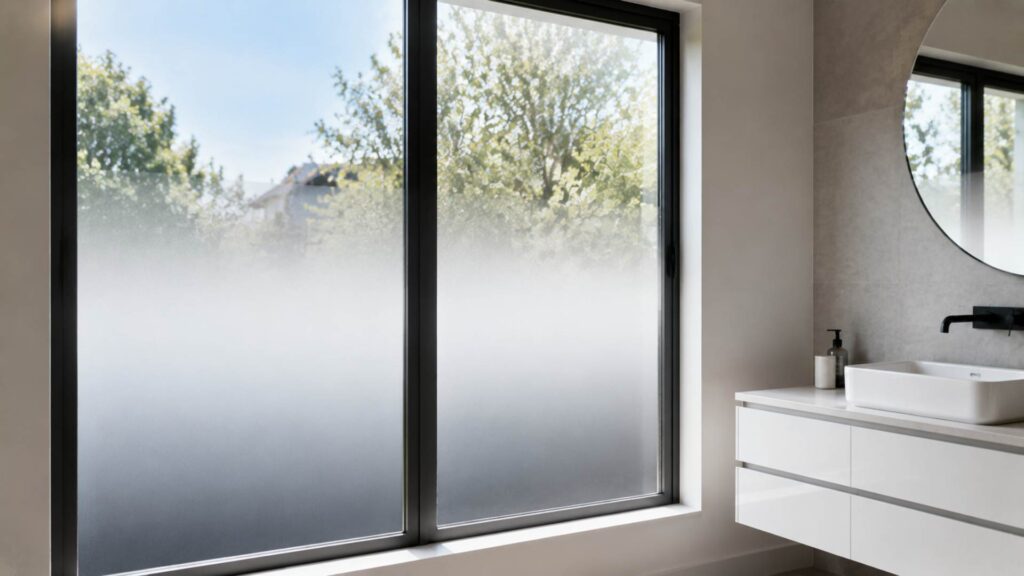
Gradient privacy window film applies frosting in a fade pattern, heavier at the bottom of a window and clearer toward the top, or vice versa. It’s a smart pick for ground floor rooms that need privacy at eye level while still pulling in as much natural light as possible from higher up.
7. One Way Mirror Window Films
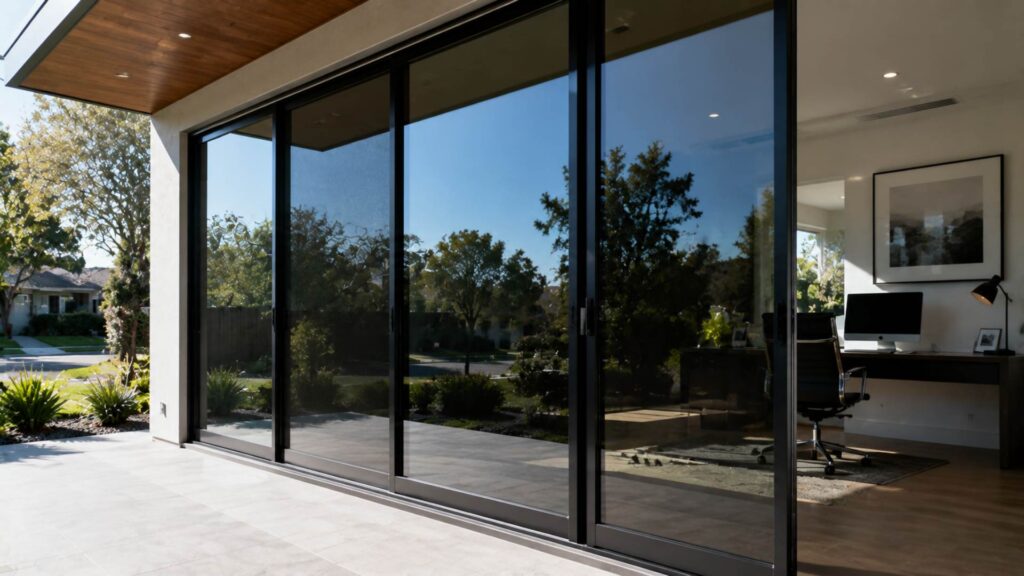
One way mirror film reflects light during the day. It would, in turn, let occupants see out clearly while anyone outside sees only a mirrored surface. It’s a strong pick for ground level home offices or street facing rooms where full privacy couldn’t be ignored around the clock.
8. Textured Linen and Fabric Look Films
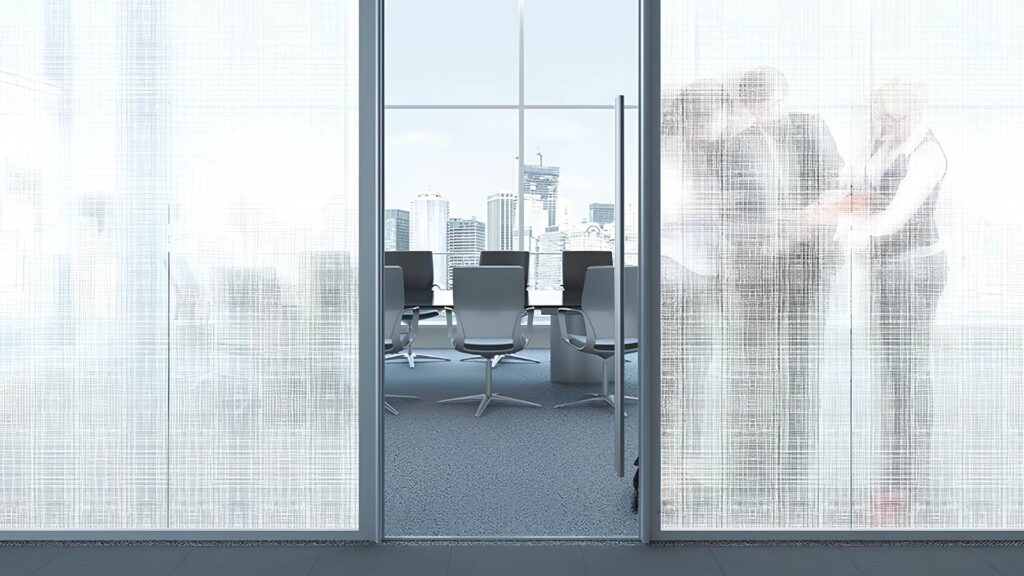
Textured film mimicking linen, burlap, or woven fabric has become one of the more unexpected latest window film trends this year. It gives glass a soft, tactile appearance without an actual textile ever touching the window. It reads as understated and high end instead of obviously utilitarian.
9. Smart UV Blocking Decorative Window Films
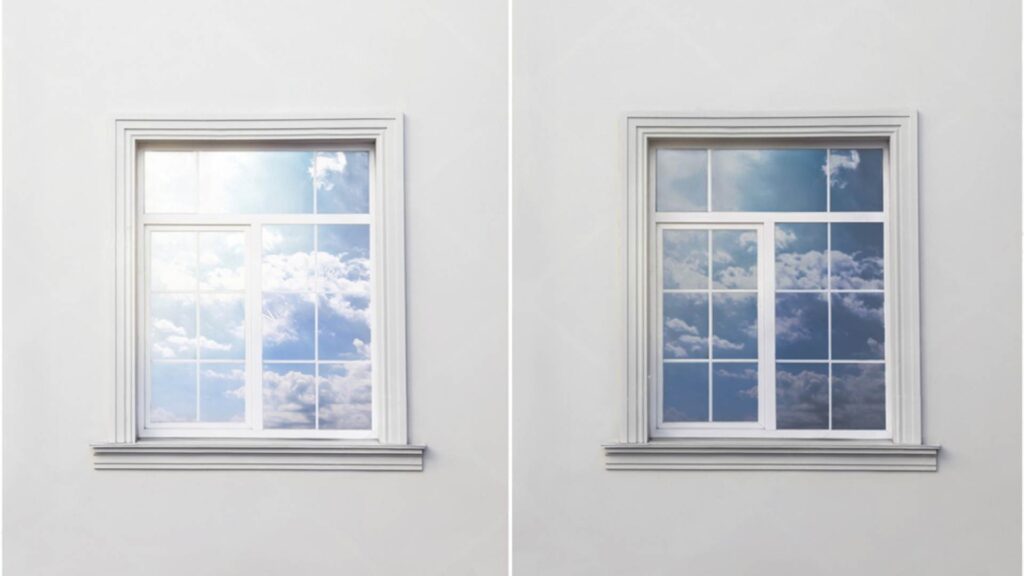
UV window film has always existed as a functional category, tho 2026 versions increasingly combine that UV protection with genuine decorative patterning as opposed to treating the two as separate products. Turns out, a single film can block a meaningful share of harmful UV rays while still delivering a real design upgrade.
10. Custom Printed Window Films
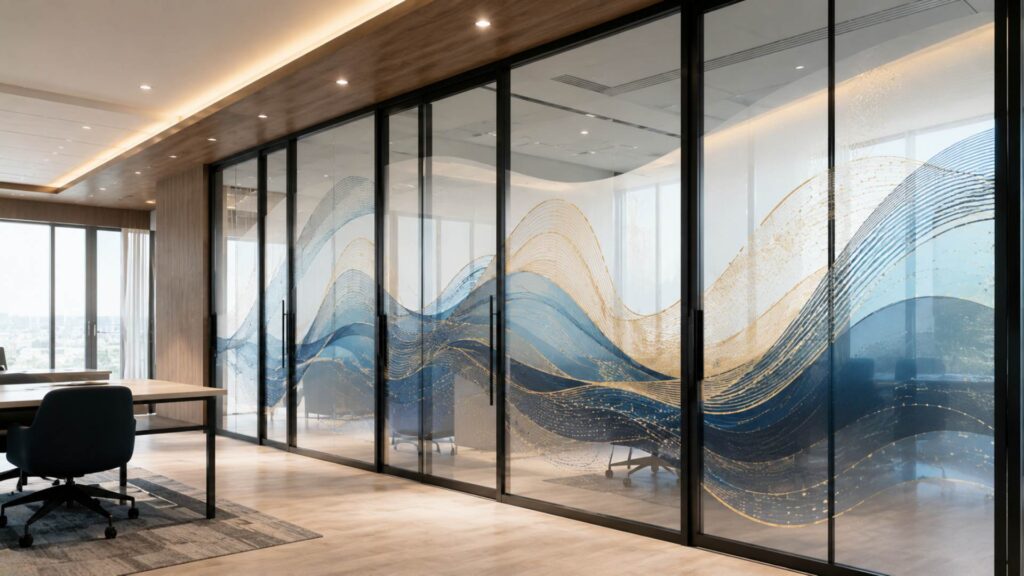
Custom printed film lets homeowners upload their own artwork, logo, or pattern for a fully personalized result. A trend is gaining real traction among commercial buyers wanting branded glass partitions as much as homeowners wanting office window film that reflects their space specifically. It’s pricier than off the shelf patterns, though anyway it does offer a level of personalization no stock design can match.
How Much Does Window Film Installation Cost?
Replacing existing glass with frosted, etched, or fully decorative glass panels could cost $25 to $100 or more per square foot installed. Decorative window films deliver a comparable visual result for dramatically less. Across multiple industry pricing guides, decorative film specifically runs about $7 to $18 per square foot installed.
We have factored in both material and professional labor. DIY material only kits run cheaper still, typically $1 to $5 per square foot, though skipping professional installation ain’t always the money saver it seems like on paper, since bubbles, creases, or uneven edges from an amateur job can shorten how long a film actually lasts.
For context, a standard home window tinting project across five to eight average-sized windows typically lands between $600 and $1,500 professionally installed, whilst a single standard window generally averages around $100 to $200 total.
Labor alone typically runs $5 to $10 per square foot on top of material costs, though many installers bundle labor and material into one combined rate. Commercial spaces often see slightly lower per-square-foot pricing on frosted or decorative film, closer to $5.50 to $7 per square foot, thanks to larger job sizes and simpler, more repeatable patterns.
How To Choose the Right Decorative Window Film
Picking the right style comes down to matching decorative window film ideas to how a specific room actually gets used, since the best decorative window films work with a space.
- For Bathrooms: Bathrooms call for maximum privacy above almost everything else. Frosted glass or heavily textured film blocks visibility completely while still letting daylight in, which matters in a room that often lacks a second light source.
- For Living Rooms: Living rooms tend to work best with lighter, decorative patterns, geometric prints, botanical designs, or subtle gradients, a natural fit for modern interiors leaning into cleaner lines, since full privacy usually matters less here than in bathrooms or bedrooms.
- For Bedrooms: Bedrooms benefit from film that balances privacy with a calming aesthetic. Soft botanical patterns or a light frost tend to outperform bold geometric prints in a space meant for winding down.
- For Home Offices: A home office benefits from privacy film paired with glare reduction, since screens and natural light rarely mix well without some kind of diffusion on the glass.
- For Kitchens: Kitchen windows, especially above a sink facing a neighboring yard, do well with lighter frosted or textured patterns that maintain a bright, open feel while still blocking a direct view in.
- For Commercial Spaces: Office window film in commercial settings often leans toward custom branding, frosted logos, or clean geometric patterns that reinforce a company’s visual identity while still meeting privacy needs for meeting rooms and private offices.
Benefits of Decorative Window Films
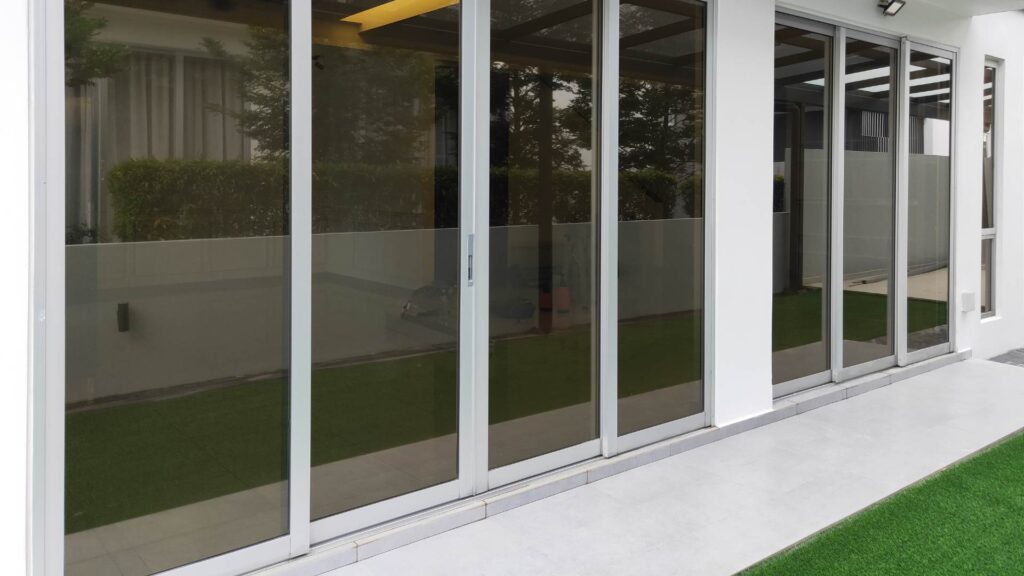
Beyond the visual upgrade, decorative window films deliver a handful of practical benefits worth factoring into any decision.
- Gives you lots of privacy
- Protects your skin and furniture from the sun
- Cuts out annoying screen glare on your TV and computer.
- Makes your space look beautiful and uniquely yours.
- Helps lower your energy bills by keeping heat out.
- Super easy to clean and keep fresh
Decorative Window Film vs Traditional Window Treatments
| Feature | Decorative Window Film | Curtains & Blinds |
| Privacy | Excellent | Excellent |
| Natural Light | Preserved | Often Reduced |
| UV Protection | Available | Limited |
| Maintenance | Low | Moderate |
| Installation | DIY Friendly | Varies |
| Modern Appearance | Excellent | Depends on Style |
Side by side, decorative window films hold a clear edge for anyone prioritizing natural light alongside privacy, a genuine window makeover without losing daylight in the process.
Installation and Maintenance Tips
A little care during installation goes a long way toward how long decorative window films actually last.
- Clean the Glass Thoroughly: Any dust, residue, or old adhesive left on the glass will trap air underneath the film and create bubbles that never fully disappear.
- Use the Right Application Tools: A squeegee, spray bottle, and sharp utility knife make the difference between a clean, professional looking result and a frustrating afternoon.
- Remove Air Bubbles Properly: Work from the center outward in slow, even strokes rather than pressing randomly, cause it could nearly push air toward the edges instead of trapping it in the middle.
- Allow Adequate Drying Time: Most films need at least 24 to 48 hours to fully cure and bond to the glass, so avoid cleaning or touching the surface during that window.
- Clean Films Without Abrasive Products: Skip ammonia based cleaners and rough sponges, both of which can degrade film adhesive over time. A soft cloth and mild soap and water handle most maintenance needs.
Frequently Asked Questions (FAQs)
Do decorative window films provide privacy at night?
Privacy performance depends heavily on interior versus exterior lighting at night. With interior lights on and no film, visibility from outside actually increases, so pairing film with sheer curtains after dark offers the most reliable coverage.
Can decorative window films be removed without damaging glass?
Most quality films remove cleanly with heat from a hairdryer and gentle peeling, leaving no lasting damage to the glass underneath. Older or cheaper films sometimes leave adhesive residue that needs a dedicated remover.
Which decorative window film is best for my home?
The right choice depends on the room’s specific privacy needs and existing interior style, since the best decorative window films differ significantly from bathroom to living room, frosted for bathrooms, botanical or geometric for living spaces, and one way mirror film for street facing rooms needing constant coverage.
Wrapping Up…
Decorative window films have earned their spot as one of the smartest, most flexible upgrades available for any home or office in 2026. Between the real cost savings compared to full glass replacement, the wide range of decorative window film ideas suited to nearly every room, and the genuine practical benefits like UV protection and reduced glare, it’s easy to see why the category keeps growing. Whether you’re chasing a stained glass look for a front door or a clean, modern frost for a home office, this year’s latest window film trends offer something for nearly every taste and budget.