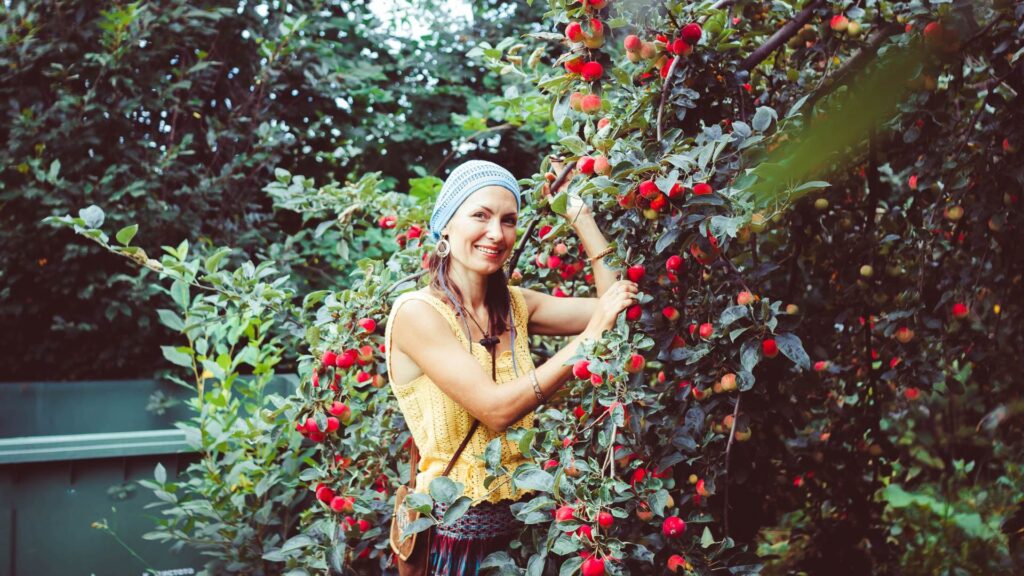

There’s a reason your grandmother’s cooking always tasted better than anything from a box. She wasn’t rushing. She was picking real ingredients, taking her time, and treating a meal like something worth doing properly. That’s the whole idea behind slow living foods. Eating in a way that matches a slower, more intentional pace of life instead of just grab and go habits most of us have fallen into.
A slow living lifestyle is purely about choosing whole, real ingredients, cooking with a bit more care, and actually sitting down to enjoy what you’ve made.
We’ll cover exactly what foods for slow living actually look like, why homemade meals matter so much to the whole philosophy, and what to cut back on if you’re genuinely trying to slow things down.
Table of Contents
What Is Slow Living and How Does Food Fit In?
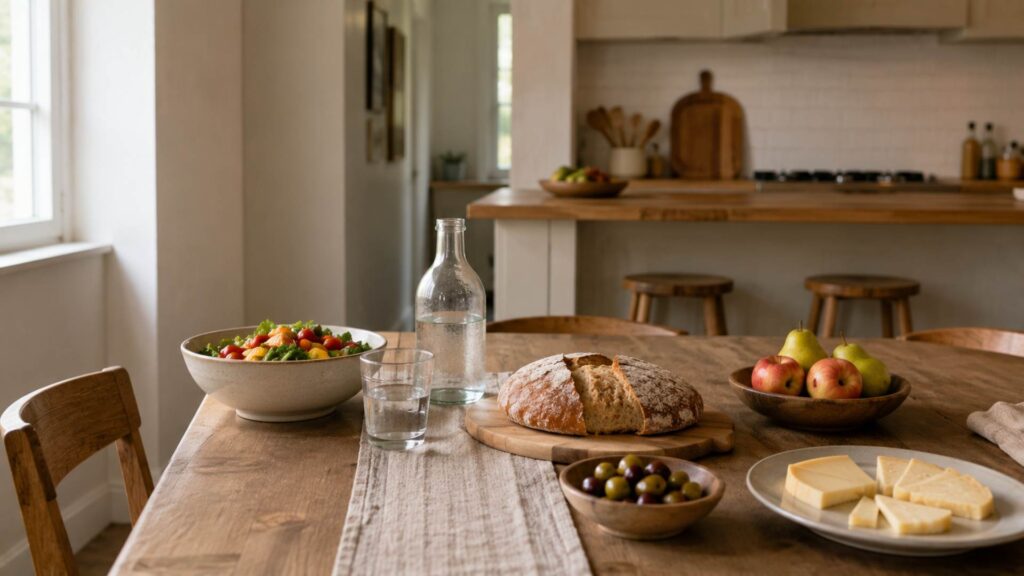
Slow living is a mindset built around presence, intention, and quality over speed. Applied to food, it means choosing fresh, whole ingredients over convenience products, cooking meals from scratch when you can, and actually paying attention while you eat instead of scrolling through your phone at the same time.
Foods for slow living tend to be minimally processed, seasonal, and prepared with genuine care. Food becomes less about refueling on the go and more about a daily ritual that grounds you. It is, after all, the entire point of a slow living lifestyle in the first place.
Another Good Read: How to Get Organized When You Live in a Small House
10 Best Foods That Support a Slow Living Lifestyle In 2026
Fresh Seasonal Fruits
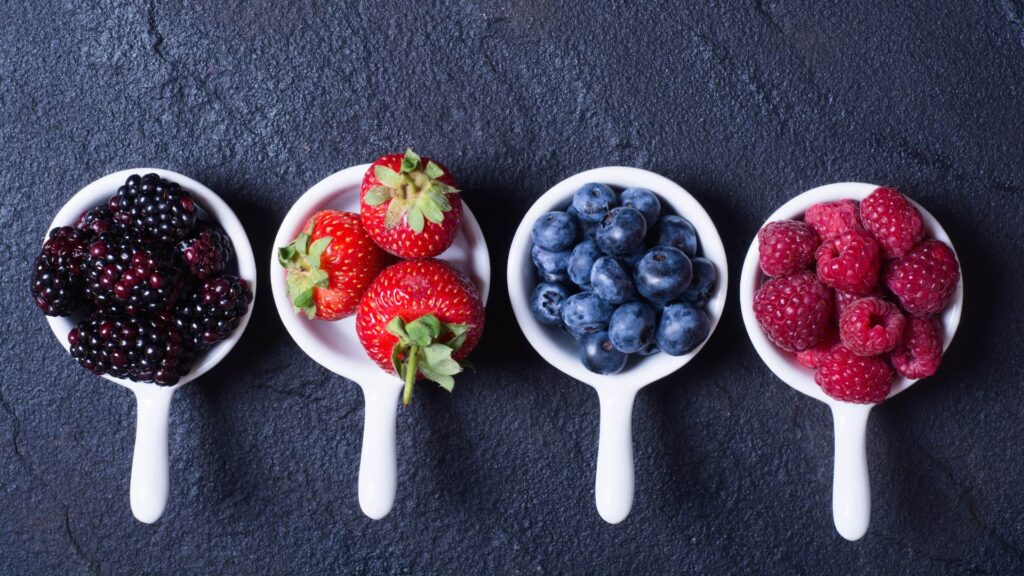
Seasonal fruit sits at the very center of any list of genuine slow living foods, mostly because it forces you to slow down and pay attention to what’s actually growing right now. Berries in early summer, stone fruit in July, apples and pears come fall, each one tastes noticeably better and costs less when you buy it in season rather than out of it. Eating this way also naturally varies your diet throughout the year instead of eating the same five fruits on repeat.
Colorful Vegetables
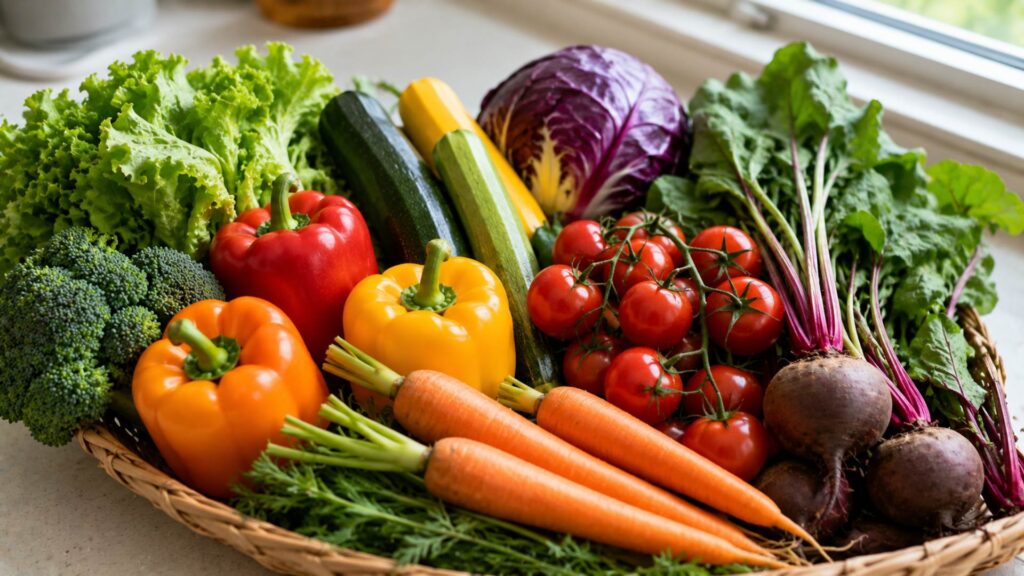
A wide range of colorful vegetables gives you a broad spread of vitamins, minerals, and fiber that a narrow diet simply can’t match. Deep greens like kale and spinach, orange vegetables like carrots and squash, and reds like peppers and tomatoes all bring something different to the table nutritionally. Building meals around vegetables rather than treating them as an afterthought is one of the clearest markers of genuine foods for slow living, and it’s a habit that pays off in both how you feel and how your meals actually taste.
Whole Grains
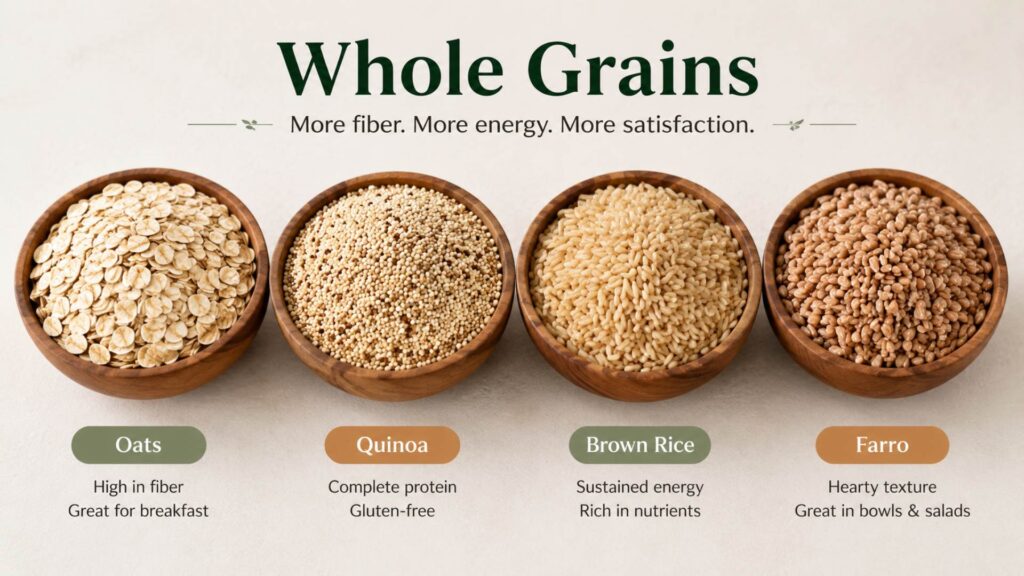
Whole grains like oats, quinoa, brown rice, and farro take longer to cook than their refined counterparts, and that extra time is part of the point. They deliver more fiber, more sustained energy, and a heartier texture that instant, overly processed grain products just don’t have. Cooking a pot of grains for the week ahead is a small ritual on its own, one that fits naturally into a slow living lifestyle built around planning and not just scrambling.
Legumes and Beans
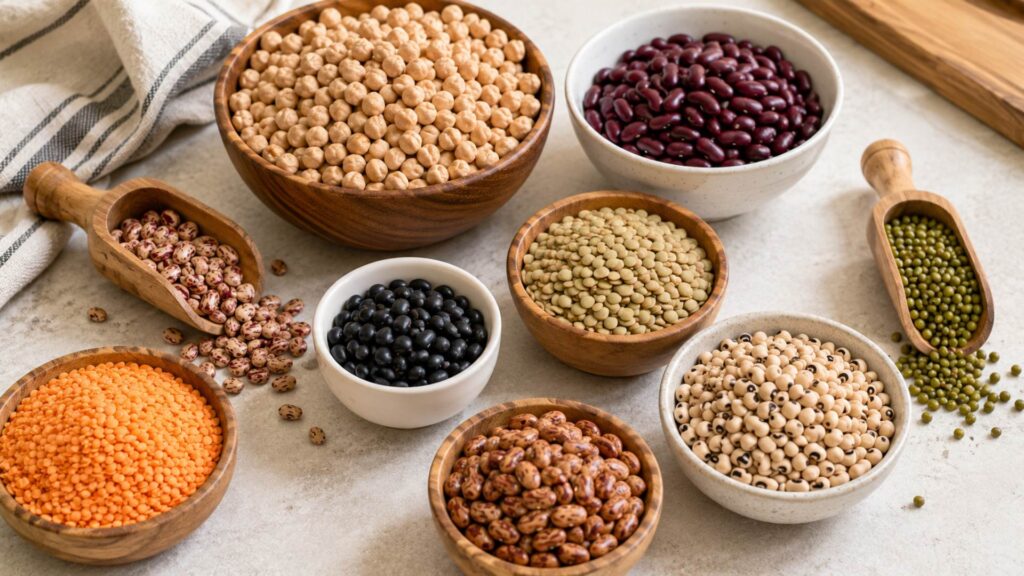
Beans, lentils, and chickpeas are some of the most affordable and versatile slow living foods you can keep stocked in your pantry. They’re rich in plant based protein and fiber, they hold up beautifully in soups, stews, and salads, and dried versions specifically require soaking and slow cooking, which again nudges you toward planning ahead.
Nuts and Seeds
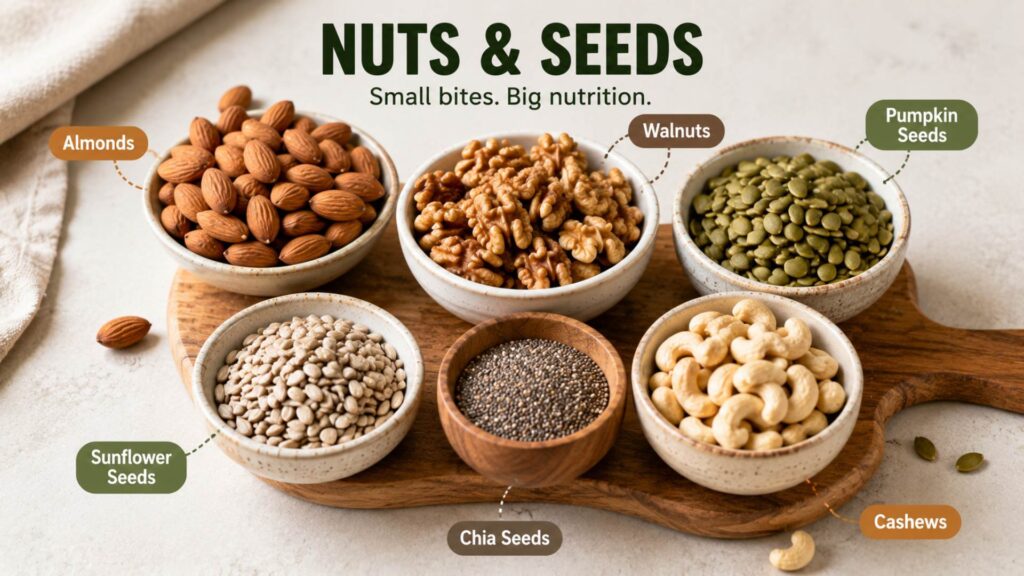
A handful of almonds, walnuts, or pumpkin seeds delivers healthy fats, protein, and steady energy. And guess what, it does not require any prep at all. Nuts and seeds are also a genuinely great example of foods for slow living because they encourage mindful snacking.
Healthy Fats
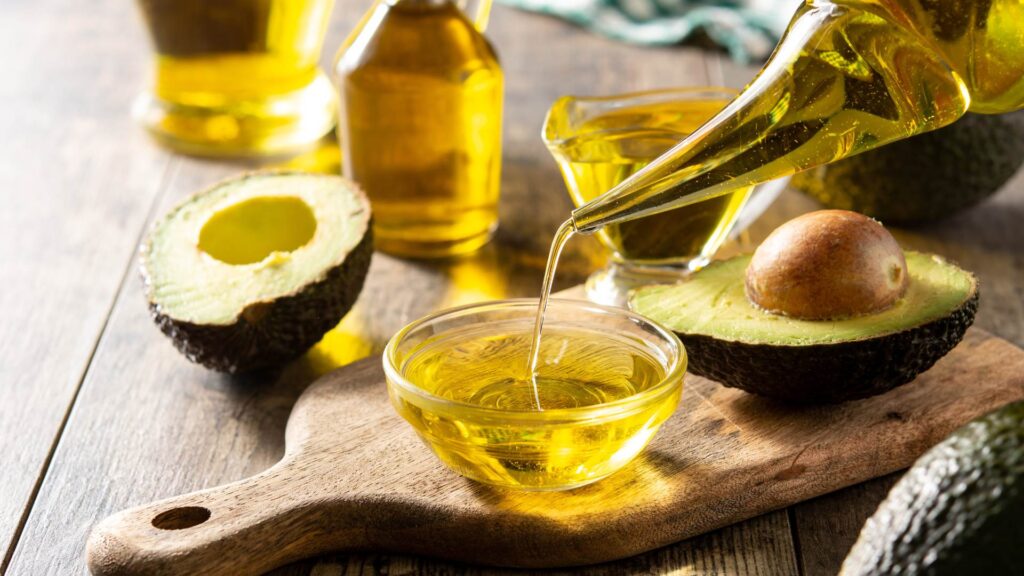
Olive oil, avocado, and fatty fish all bring healthy fats to the table that support heart health and help your body absorb fat soluble vitamins properly. A good quality olive oil drizzled over vegetables or used to finish a dish adds flavor and richness in a way that cheap, highly processed oils simply cannot replicate.
Lean Proteins
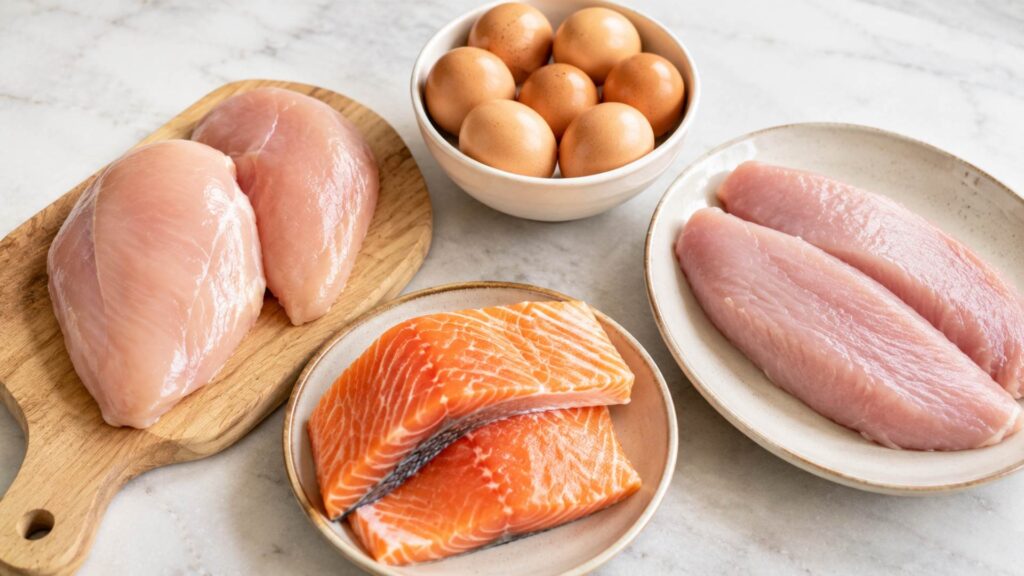
Chicken, turkey, fish, and eggs all provide lean protein that supports muscle maintenance and keeps you satisfied longer between meals. Cooking these proteins from scratch, rather than reaching for a pre breaded, deep fried version from the freezer aisle, is another great straightforward way to shift toward genuine slow living foods.
Fresh Herbs
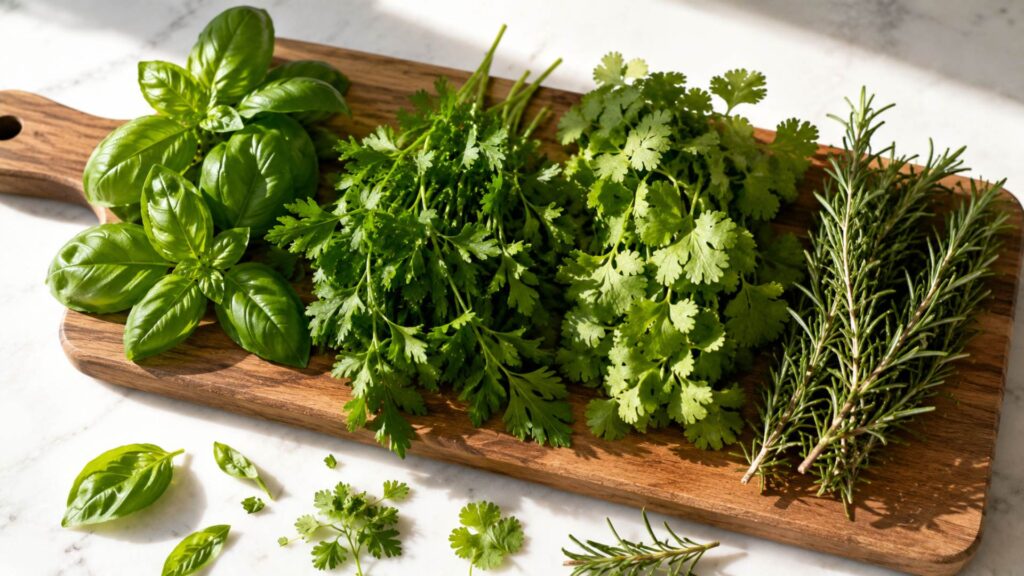
Basil, parsley, cilantro, and rosemary do more for a dish than almost any other single ingredient, and growing even a small pot of herbs on a windowsill connects you directly to what you’re cooking. Fresh herbs also encourage a slower pace in the kitchen since chopping and prepping them by hand is inherently a bit more deliberate than shaking dried flakes from a jar.
Fermented Foods
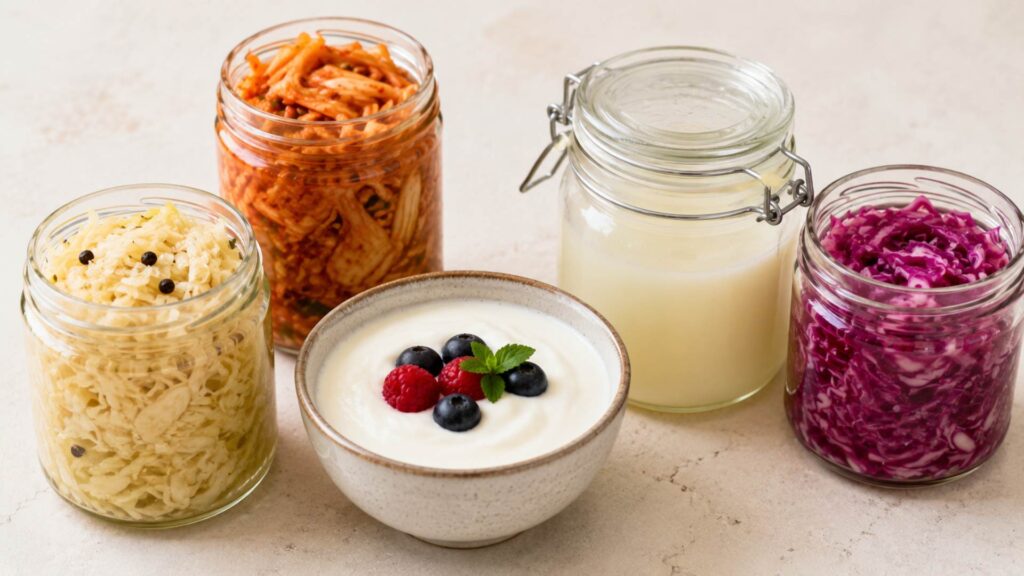
Sauerkraut, kimchi, yogurt, and kefir all support gut health through live cultures, and traditionally, fermentation itself is a slow process that can’t be rushed. Making your own fermented foods at home, even something as simple as a jar of sauerkraut, is a genuinely satisfying way to practice patience. It, in turn, also adds a nutrient dense food to your regular rotation.
Herbal Teas

Chamomile, peppermint, and ginger tea all offer a calming ritual that pairs naturally with a slower pace of living. Brewing a cup, waiting for it to steep, and sipping it slowly is a small daily practice that reinforces mindfulness in a way that grabbing a sugary energy drink on the way out the door simply doesn’t.
Why Homemade Meals Are Part of Slow Living
More Control Over Ingredients
Cooking at home puts you directly in control of what actually goes into your food. No hidden preservatives, no unnecessary sodium, and no mystery additives. That level of control would indeed be a advantages of choosing foods for slow living over pre packaged convenience meals.
A More Mindful Cooking Experience
Chopping vegetables, stirring a pot, and watching something come together on the stove is inherently more grounding than pressing a button on a microwave. That process itself is a form of mindful eating before you’ve even taken a single bite.
Better Nutrition with Less Waste
Home cooked meals from whole ingredients consistently score higher on standard nutrition measures.
A UK cohort study published in the International Journal of Behavioral Nutrition and Physical Activity, tracking over 11,000 adults, found that people who cooked meals at home more than five times a week were 28 percent less likely to be overweight and 24 percent less likely to carry excess body fat compared to those who cooked fewer than three times a week. Cooking at home also cuts down on packaging waste that comes with pre made meals.
Creating Meaningful Family Moments
A meal made from scratch and shared at the table tends to slow everyone down, naturally encouraging conversation over rushed bites between other tasks. That shared ritual is arguably the most human part of a slow living lifestyle, something no amount of convenience food can replicate.
Foods to Limit for a Slower, Healthier Lifestyle
Ultra-Processed Foods
A CDC report released in 2025, drawing on national dietary data collected between August 2021 and August 2023, found that Americans aged one and older get an average of 55 percent of their total daily calories from ultra processed foods. Adults alone sit at 53 percent, while children and teens climb to nearly 62 percent.
These foods are engineered to be convenient and hyperpalatable, but they crowd out the space that genuine slow living foods should occupy in a balanced diet.
Sugary Snacks and Drinks
Sodas, candy, and packaged sweets deliver a quick hit of energy followed by an equally quick crash, and they train your palate to expect that level of intense sweetness from everything else you eat. Cutting back on these steadily makes naturally sweet foods, like fruit, taste more satisfying over time.
Fast Food
Fast food is built entirely around speed, which sits directly at odds with everything a slow living lifestyle stands for. Beyond the philosophical mismatch, these meals tend to be high in sodium, unhealthy fats, and refined carbohydrates, none of which support the kind of steady, balanced nutrition that whole food eating provides.
Highly Processed Meats
Bacon, hot dogs, and deli meats loaded with nitrates and preservatives fall into a category that health researchers have flagged repeatedly for their link to increased health risks with regular consumption. Choosing fresh, minimally processed proteins instead is a straightforward swap that fits naturally into any list of genuine foods for slow living.
Artificial Additives
Artificial colors, flavors, and preservatives show up constantly in packaged snacks and drinks, often with little to no nutritional value attached to them. Reading labels and choosing simpler ingredient lists is a small habit that adds up considerably over time.
Simple Habits That Make Slow Living Easier
- Plan Meals Around the Seasons: Building your weekly menu around whatever produce is actually in season keeps meals fresher, cheaper, and more connected to the natural rhythm of the year.
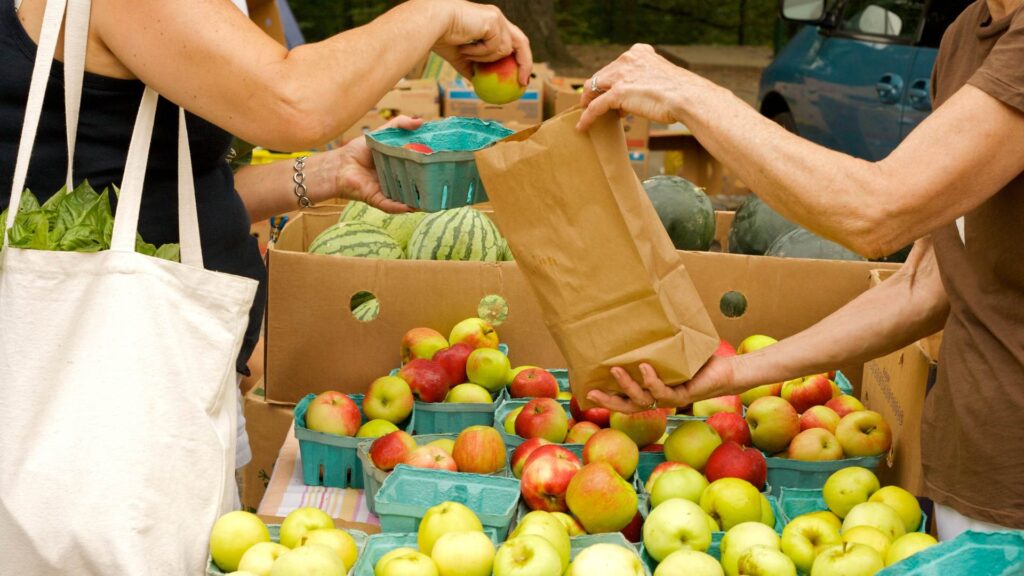
- Shop at Local Farmers Markets: Buying directly from local growers supports better quality ingredients and gives you a genuine reason to slow down and actually talk to the people growing your food.
- Eat Without Screens: Putting the phone or remote away during meals encourages genuine mindful eating and helps you actually notice when you’re full.
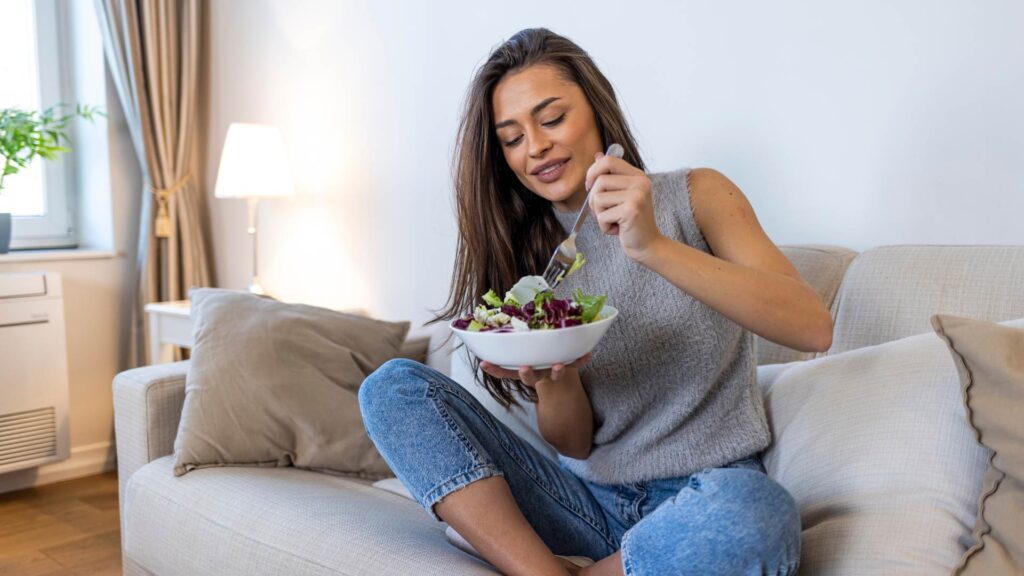
- Cook More Meals at Home: Even adding just two or three home cooked dinners to your week makes a measurable difference in both diet quality and how connected you feel to your food.
- Practice Gratitude Before Eating: A brief pause before the first bite, even just a few seconds of genuine appreciation, shifts your entire relationship with the meal ahead.
- Reduce Food Waste: Planning meals carefully and using up what you already have supports both your budget and a more sustainable, intentional way of living.
Frequently Asked Questions (FAQs)
Is slow living the same as clean eating?
Slow living and clean eating overlap significantly but aren’t identical concepts. Clean eating focuses specifically on avoiding processed ingredients and additives, while a slow living lifestyle extends that same philosophy into how you shop, cook, and actually experience your meals, with far more emphasis on pace and presence than on strict food rules.
Can slow living improve my relationship with food?
Genuinely, yes. Slowing down while shopping, cooking, and eating helps you tune into actual hunger and fullness cues rather than eating on autopilot, which research on mindful eating consistently links to a healthier, less stressed relationship with food over time.
How can I start eating more mindfully?
Start small. Cook one meal from scratch this week, sit down without a screen while you eat it, and actually chew slowly enough to notice the flavors. Building in foods for slow living gradually, rather than overhauling everything overnight, is what makes the habit stick long term.
Wrapping Up…
Choosing real, whole ingredients over convenience products isn’t about restriction. It’s about giving your meals, and yourself, the attention they actually deserve. Slow living foods like seasonal produce, whole grains, legumes, and fermented staples build a foundation that’s genuinely better for your body and your daily pace of life. Combine that with more homemade cooking, fewer ultra processed products, and a bit more presence at the table, and you’ve got the core of a genuine slow living lifestyle that’s sustainable well beyond a passing trend.