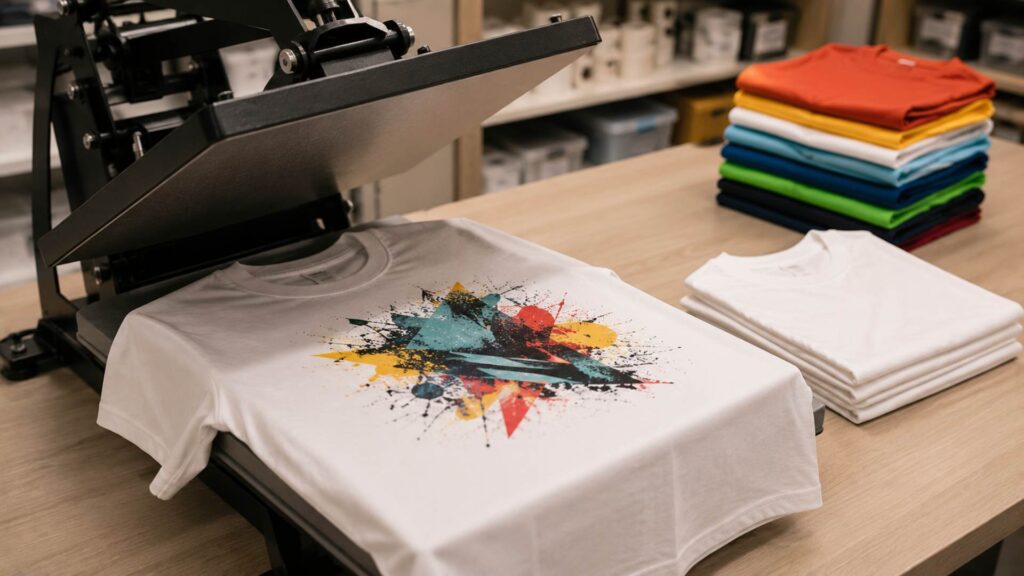

Starting a print-on-demand business sounds simple on paper. Upload a design, pick a product, and wait for sales to roll in. Reality, however, works very differently. Thousands of sellers launch a store every month, and a large share quit within the first year, not because the model is broken, but because of avoidable print on demand mistakes made early on.
We’ll help you figure out the biggest print on demand mistakes sellers make in 2026, why they happen, and exactly how to sidestep them. Whether you’re brand new or already running a store that isn’t converting, these print on demand tips will save you real time, real money, and a lot of frustration down the line.
Table of Contents
Why Most Print on Demand Stores Struggle
Low barriers to entry cut both ways. Anyone can open an Etsy or Shopify store within an hour. Turns out, competition floods in just as fast. That alone accounts for a huge share of failed stores, not bad products, just too many sellers chasing the same handful of trending designs.
Unrealistic expectations compound the problem, plenty of beginners expect meaningful income within weeks rather than the months it typically takes to build real traction. Lack of research and planning finishes the job, skipping niche research, ignoring what competitors charge, and guessing at pricing instead of checking real data.
The global POD market is projected to top thirteen billion dollars in 2026 according to Grand View Research, plenty of room to succeed, but only for sellers who avoid the most common print on demand mistakes from day one.
15+ Biggest Print on Demand Mistakes to Avoid in 2026
Here are the print on demand mistakes that trip up sellers most often, ranked roughly in the order beginners tend to hit them.
1. Choosing an Oversaturated Niche
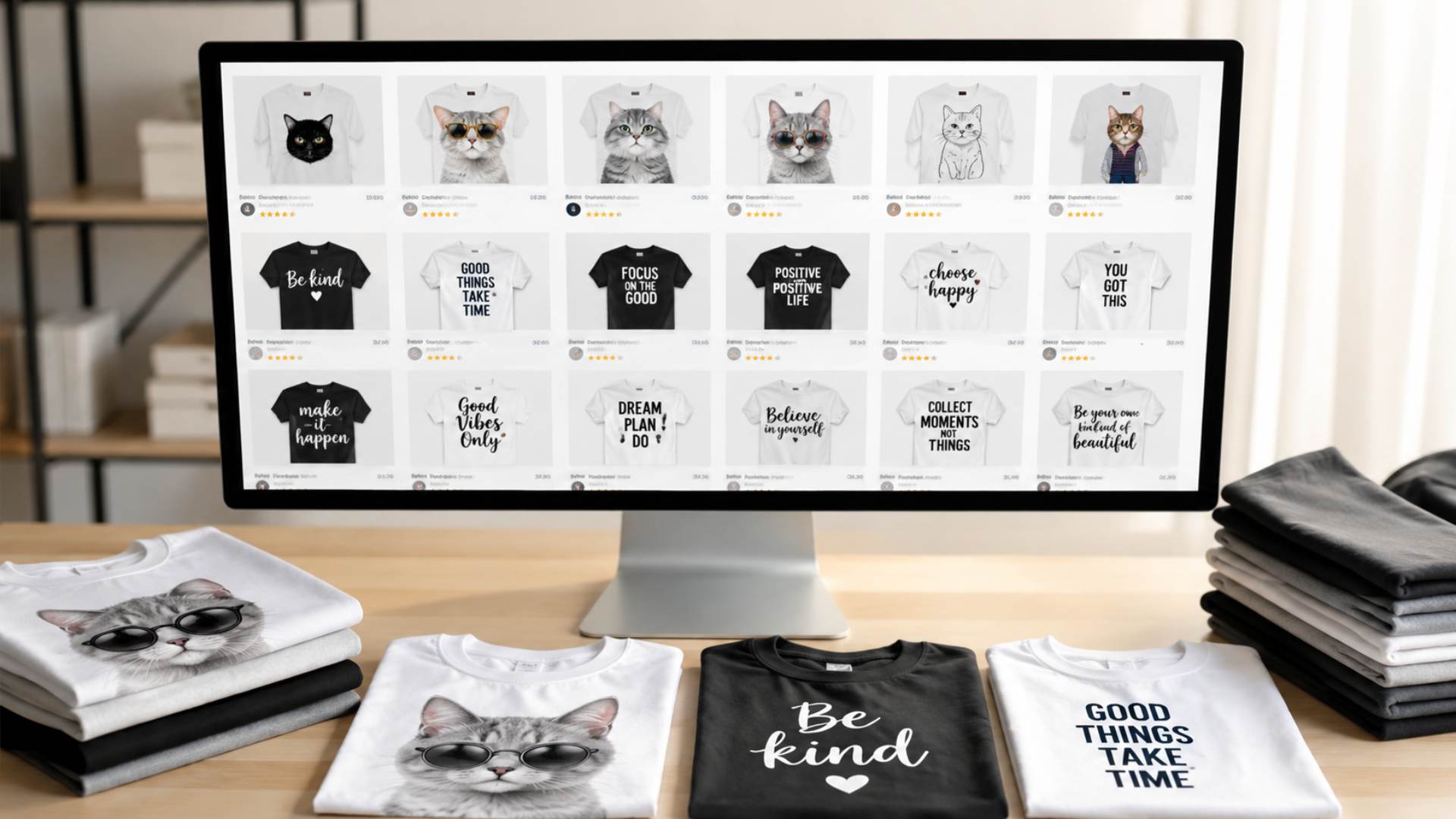
Cute cat shirts and generic motivational quotes might have worked in 2019, tho that ship sailed long ago. Turns out, pretending otherwise ain’t going to change the numbers in any possible way. An oversaturated niche means competing against thousands of nearly identical listings, all fighting over the same buyers with the same designs. Real niche research before launching saves months of wasted effort chasing a print on demand niche that’s already full.
2. Skipping Market and Keyword Research

Guessing what will sell instead of checking actual search volume and demand is one of the most common mistakes beginners make. Etsy and Shopify both reward listings that match what buyers are actively typing into search bars, and skipping that step means your product listings might never surface at all.
3. Using Generic or Low Quality Designs
Print on demand designs pulled from free clipart sites or generated without any real customization rarely stand out. Buyers can spot a generic template from a mile away, and a design that looks identical to fifty other listings gives them zero reason to choose yours specifically.
4. Ignoring Your Target Audience

Designing for everyone usually means appealing to no one in particular. A successful POD business tends to speak directly to a specific group, dog owners, nurses, a particular hobby community, rather than trying to cast the widest possible net.
5. Writing Weak Product Titles and Descriptions
A title that just says shirt tells search engines and buyers nothing useful. Strong product listings include specific keywords, clear details about fit and material, and language that actually speaks to who the product is for. This is one of those mistakes that costs sales quietly, without ever showing up as an obvious red flag.
6. Using Poor Quality Mockups
Blurry, poorly lit, or oddly cropped mockups make even a great design look unprofessional. Buyers judge a listing within seconds, and cheap looking mockups signal a cheap looking product, whether or not that’s actually true.
7. Pricing Products Too Low or Too High
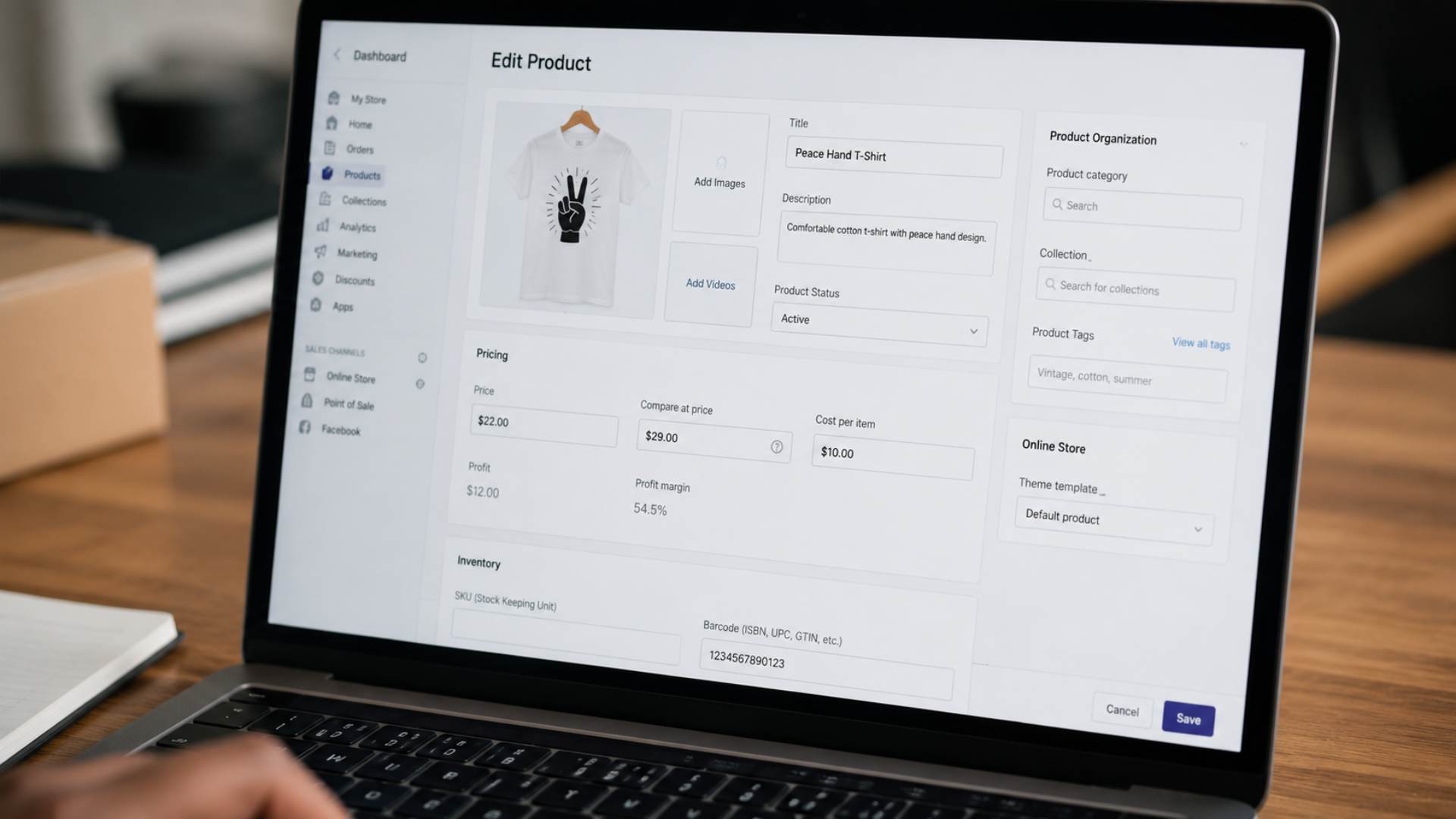
Pricing too low kills profit margins and signals low quality, while pricing too high without justification just gets scrolled past. Average POD profit margins land around 20 percent industry wide, with some sellers pushing past 30 percent on premium or niche products. Therefore, pricing needs to reflect real costs plus a margin that actually makes the work worthwhile.
8. Offering Too Many Products Too Soon
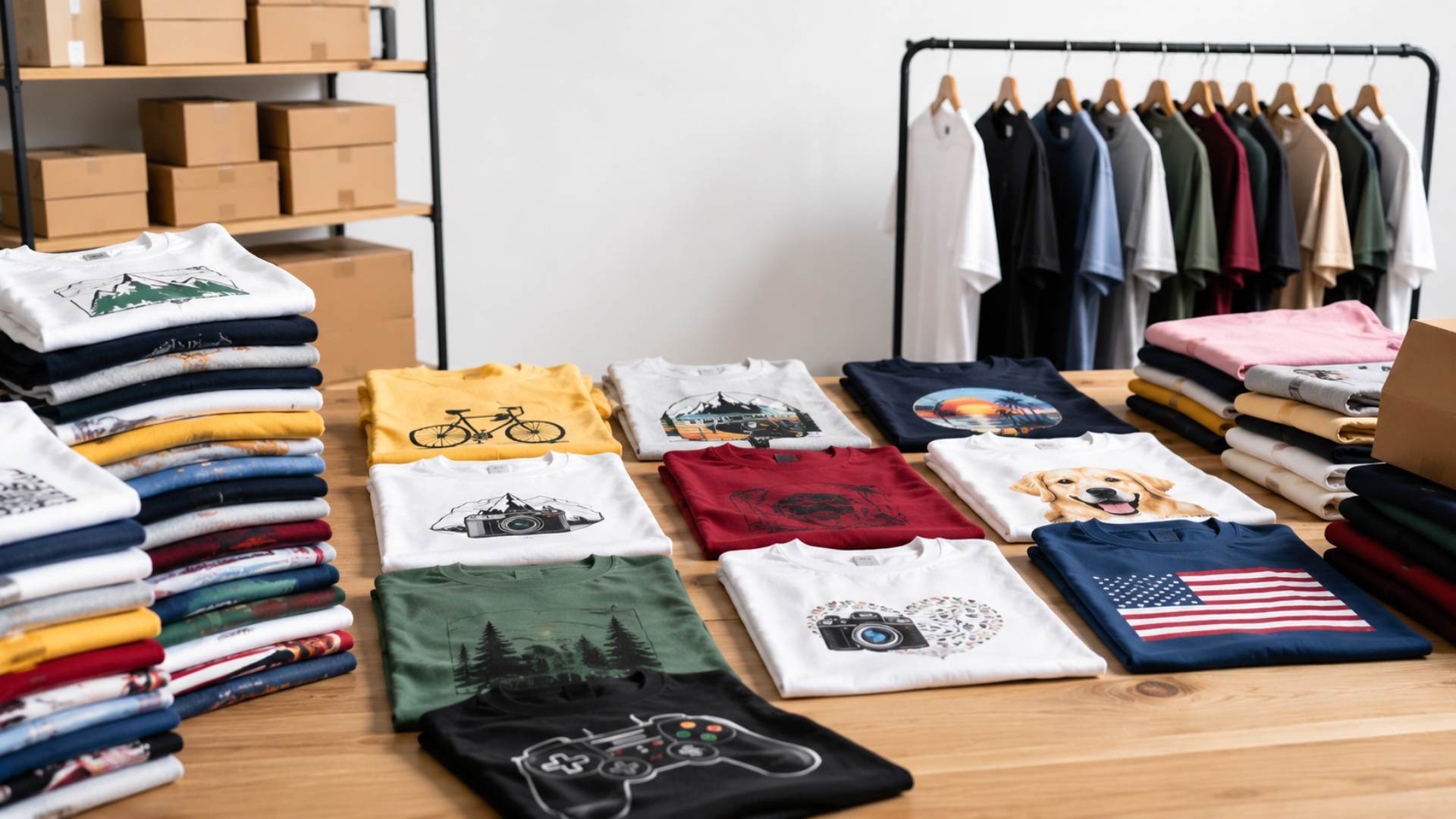
Launching fifty products across ten niches all at once spreads attention too thin to optimize any of them properly. A smaller, focused catalog that gets real marketing attention outperforms a bloated store nobody has time to manage well.
9. Ignoring SEO for Etsy or Shopify
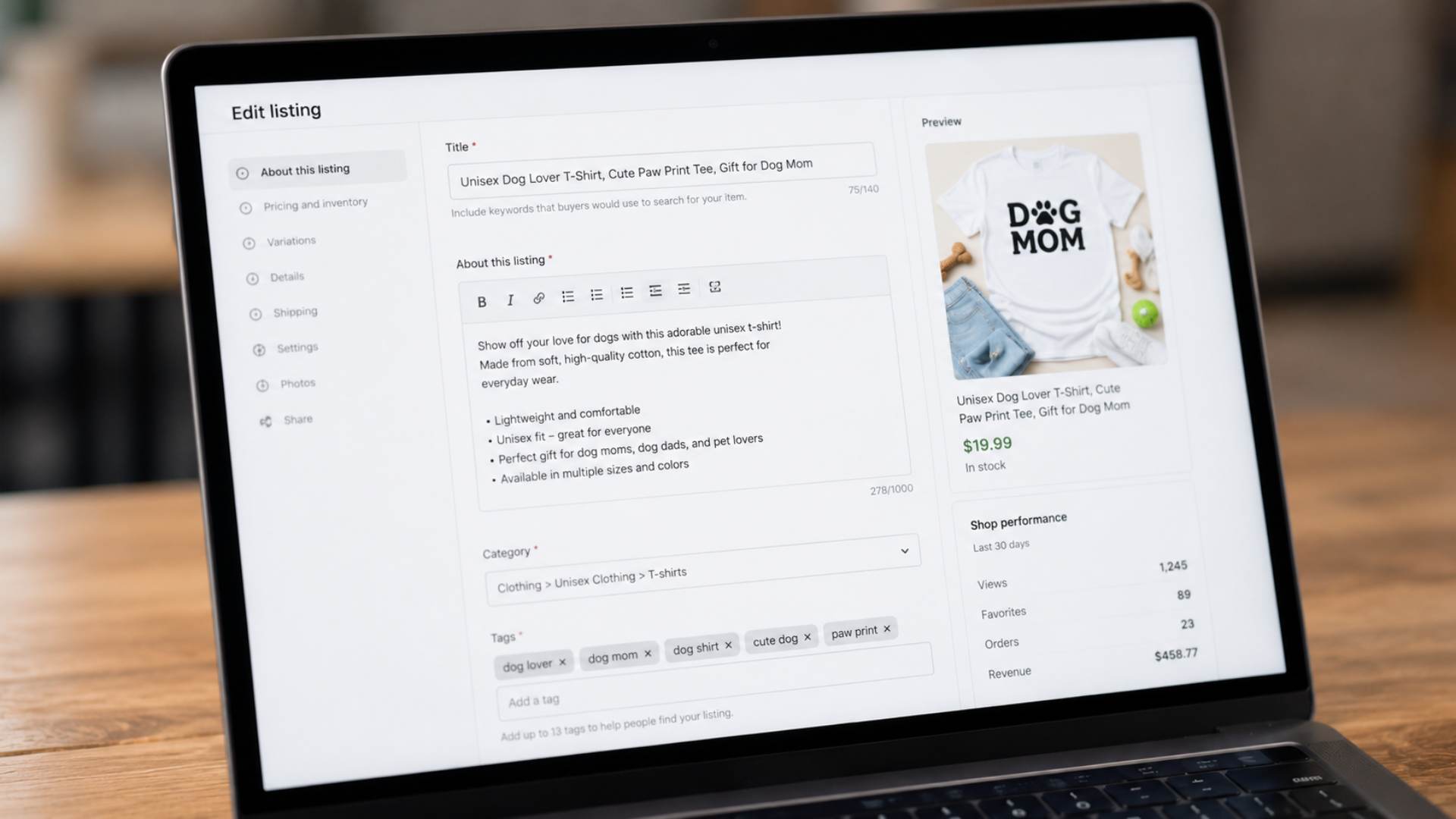
Etsy print on demand and Shopify print on demand both run on search algorithms that reward relevant keywords, complete descriptions, and consistent activity. Skipping SEO tips like keyword rich titles and tags means relying entirely on paid ads or luck to get discovered.
10. Not Building a Brand Identity
A store that looks like a random assortment of unrelated designs rarely builds repeat customers. What usually works instead is a recognizable identity, consistent style, a clear niche, a logo, something that makes a buyer remember the store, not just the one item they bought.
11. Relying on One Traffic Source
Betting everything on a single platform’s organic search or one social media channel is risky. Algorithms change constantly, and a store dependent on just one traffic source can watch sales disappear overnight through no fault of its own.
12. Neglecting Customer Service

Slow replies, unclear return policies, and ignored messages push buyers toward competitors fast. Good customer service, quick responses and clear communication about shipping times, builds the kind of trust that turns a one time buyer into a repeat one.
13. Ignoring Analytics and Store Data

Sales data, traffic sources, and conversion rates tell you exactly what’s working and what isn’t. Ignoring that data means repeating the same print on demand mistakes indefinitely instead of adjusting based on actual buyer behavior.
14. Not Testing New Designs Regularly
A store that never adds new designs eventually goes stale, even in a niche that’s still performing well. Regularly testing new print on demand designs against existing bestsellers keeps a store’s catalog fresh and gives buyers a reason to come back.
15. Giving Up Too Early
Most successful stores take months, not days, to build real traction. Quitting after two weeks of low sales is one of the most common ecommerce mistakes across any platform, not just POD, since search rankings and repeat traffic both take real time to build.
16. Copying Someone Else’s Design
Beyond the ethical problem, copying another seller’s design risks copyright strikes, account suspension, and real legal trouble. Platforms like Etsy actively police intellectual property complaints, and a suspended store erases months of built up reviews and search ranking overnight.
How to Set Your Print on Demand Business Up for Success
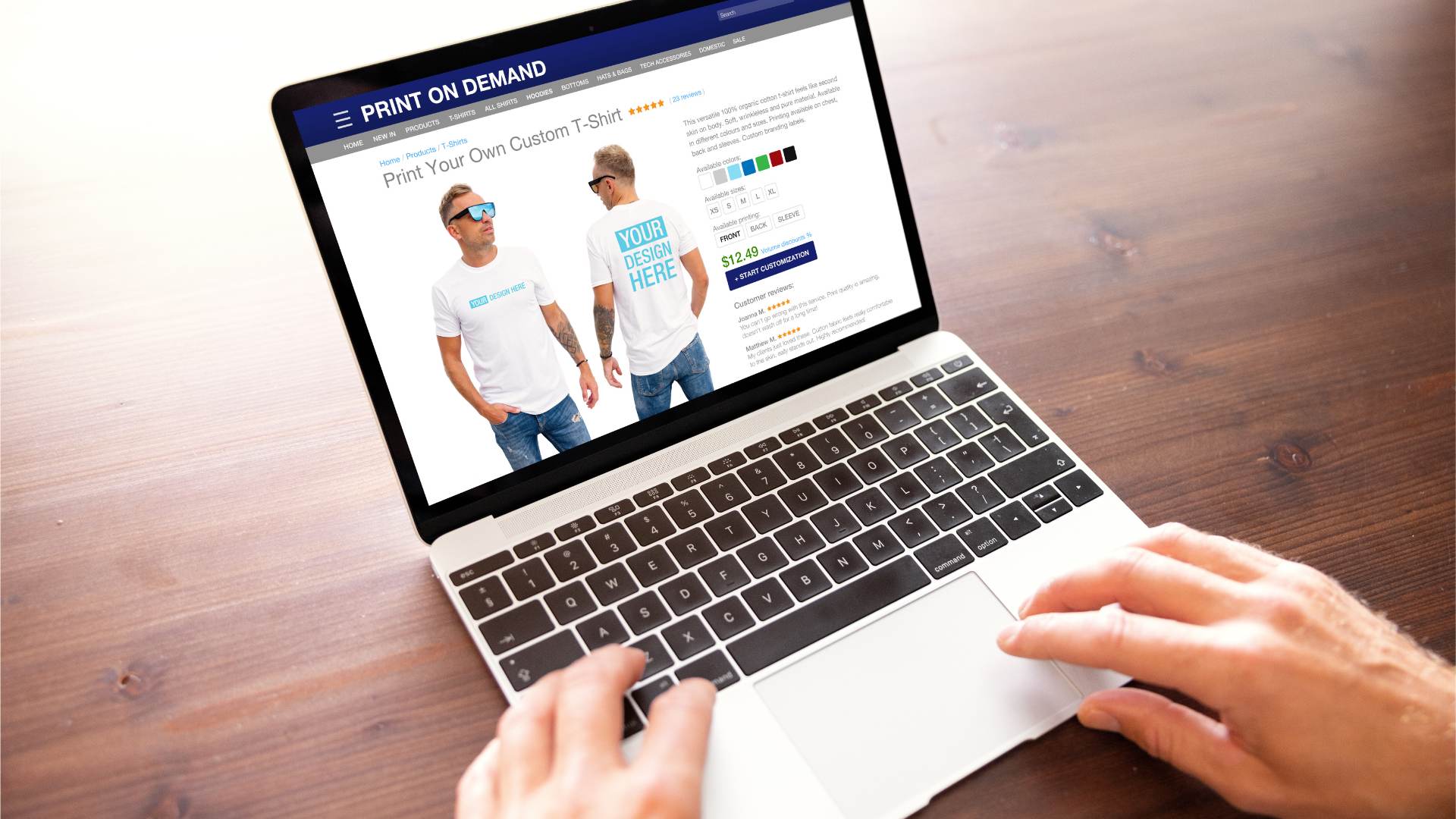
Avoiding mistakes is only half the equation, building good habits from day one matters just as much for a print on demand business built to last.
- Choose a Profitable Niche: Checking search volume, competition, and buyer demand beats guessing every time.
- Create Original, High Quality Designs: Custom designs, even simple ones, outperform generic templates buyers have seen a hundred times before.
- Optimize Every Product Listing: Clear titles, detailed descriptions, and relevant keywords help buyers actually find what you’re selling.
- Focus on Branding: A consistent visual identity across a Shopify store or Etsy shop builds recognition and trust faster than an unrelated grab bag of products.
- Build Trust with Customers: Clear policies, fast responses, and reliability turn first time buyers into repeat ones, which matters more for the bottom line than any single sale.
These print on demand tips work best when applied together rather than picked at random, since a strong niche paired with weak branding, or great designs paired with poor customer service, still leaves real money on the table.
Common Myths About Print on Demand

- You Can Get Rich Overnight: Real print on demand success takes months of consistent listing, testing, and marketing, not a single viral post.
- Any Design Will Sell: Popularity depends heavily on niche fit, design quality, and actual demand, not just uploading something and hoping.
- You Don’t Need Marketing: Organic traffic alone rarely sustains a growing store. POD marketing, whether through social media, ads, or email lists, plays a real role in sustained sales.
- SEO Doesn’t Matter: Etsy and Shopify both rank listings based on relevance and activity. Ignoring this is one of the quieter print on demand mistakes that keeps otherwise good products invisible.
- More Products Always Mean More Sales: A bloated catalog spreads marketing effort thin. A smaller, well optimized selection usually outperforms a massive one nobody has bandwidth to manage properly.
Best Print on Demand Platforms Compared
Worth noting, Printful and Printify merged into a shared parent company called Fyul in late 2024, though both continue operating as separate, independent brands with their own strengths, a useful thing to know for anyone weighing platforms as print on demand beginners. Here’s how the major players compare.
| Platform | Best For | Perks | Considerations |
| Etsy | Beginners | Built in traffic | Listing fees |
| Shopify | Brand building | Full control | Requires marketing |
| Printify | Product variety | Large supplier network | Quality varies by supplier |
| Printful | Premium quality | Reliable fulfillment | Higher product costs |
| Redbubble | Passive income | Easy to start | Lower profit margins |
For an Etsy seller just starting out, built in marketplace traffic makes early sales easier to land. A dedicated Shopify store takes more upfront marketing but offers far more control over branding, pricing, and the actual customer experience.
Frequently Asked Questions (FAQs)
What is the biggest mistake in print on demand?
Skipping niche and keyword research tops the list consistently. Sellers who choose a saturated niche or guess at pricing without checking real demand data tend to struggle regardless of how good their designs actually are.
Is print on demand still profitable in 2026?
Industry data points to real growth, the global market is projected to reach roughly thirteen billion dollars in 2026 according to Grand View Research, with average seller profit margins hovering around 20 percent per Printful’s own reporting. Profitability depends heavily on niche selection and execution, not the business model itself.
What print on demand items sell the most in 2026?
Apparel remains the dominant category by revenue share, followed by drinkware, home decor, and accessories. Personalized and niche specific POD products tend to outperform generic designs across nearly every platform.
How long does it take to make sales with POD?
Most sellers see initial sales within the first one to three months, though meaningful, consistent income typically takes six months or longer of steady listing, optimization, and marketing.
Wrapping Up…
Building a successful print on demand business comes down to avoiding the same print on demand mistakes that trip up thousands of sellers every year, oversaturated niches, weak listings, inconsistent branding, and giving up too soon.
The market itself is growing fast, with multiple research firms projecting well past fifty billion dollars globally within the next several years, so opportunity is real for sellers willing to put in the research and consistency it actually takes.
Apply these print on demand tips from day one, stay patient through the slow early months, and treat the whole thing like a real business rather than a side experiment, because that’s exactly what separates the stores that last from the ones that quietly disappear.