

Most people who start lifting weights for the first time make the same set of mistakes, not because they are not working hard enough, but because they are working without a framework. Muscle gain does not happen by accident, and it does not happen from effort alone. It happens when training stimulus, nutrition, and recovery all line up consistently over weeks and months.
The good news for beginners is that your body is more responsive to resistance training in the first year than it will ever be again. That window of beginner adaptation, sometimes called newbie gains, means you can build a meaningful foundation faster than someone who has been training for years.
We will cover how to gain muscle for beginners with the structure, nutrition approach, and training principles that actually produce results rather than just wear you out.
Table of Contents
How Many Calories Should I Eat to Gain Muscle

If you have been lifting weights for a while but cannot seem to gain weight or size, the answer is almost always in the kitchen and not in the gym. To gain muscle for beginners, daily calorie intake should be in surplus. Turns out, eating more than your body burns on a daily basis.
The practical target is an additional 250 to 500 calories per day above your typical intake, which works out to roughly 10 to 20 percent above your maintenance level.
That surplus gives your body the raw material it needs to build new tissue. Without it, even a well-structured training program produces limited muscle gain because the body does not have enough resources to run both its normal functions and a muscle-building process simultaneously. Protein intake is the most important nutritional variable inside that surplus.
A 2017 systematic review and meta-analysis published in the British Journal of Sports Medicine analyzed 49 studies and found that protein supplementation significantly increased muscle gain from resistance training, with the greatest benefits seen in people consuming 1.6 grams of protein per kilogram of bodyweight per day. A 180-pound person is looking at roughly 130 grams of protein daily as a working target.
For supplements, a basic protein powder to hit daily protein targets, creatine monohydrate for strength and muscle growth support, and consistent whole food nutrition cover everything a beginner actually needs. The rest of the supplement industry is largely noise at this stage.
The Best Beginner Workout Plan to Build Muscle
Beginner muscle building does not require a complex program. What it requires is a structure that hits each muscle group with enough frequency and volume to drive adaptation, with enough recovery built in to let that adaptation actually occur.
4-Day Push-Pull Split
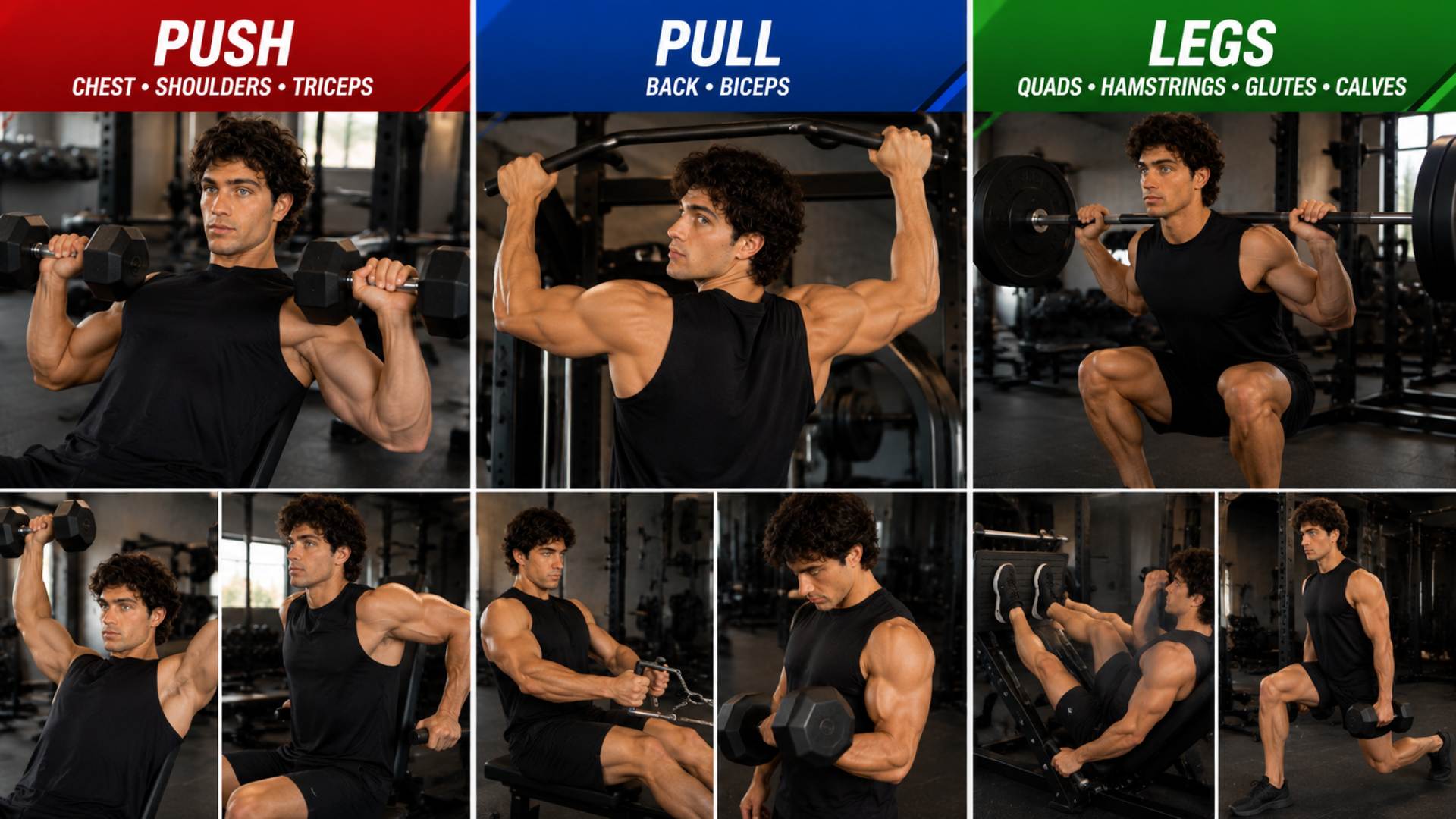
A push-pull split organizes training around movement patterns rather than individual muscles.
- Push days cover chest, shoulders, and triceps.
- Pull days cover back and biceps.
- Legs get their own sessions.
- A basic four-day version runs push, pull, legs, and then a combined upper body day, with three days off spread across the week.
This structure allows each muscle group to recover properly between sessions while keeping training frequency high enough for consistent muscle gain.
4-Day Upper-Lower Split
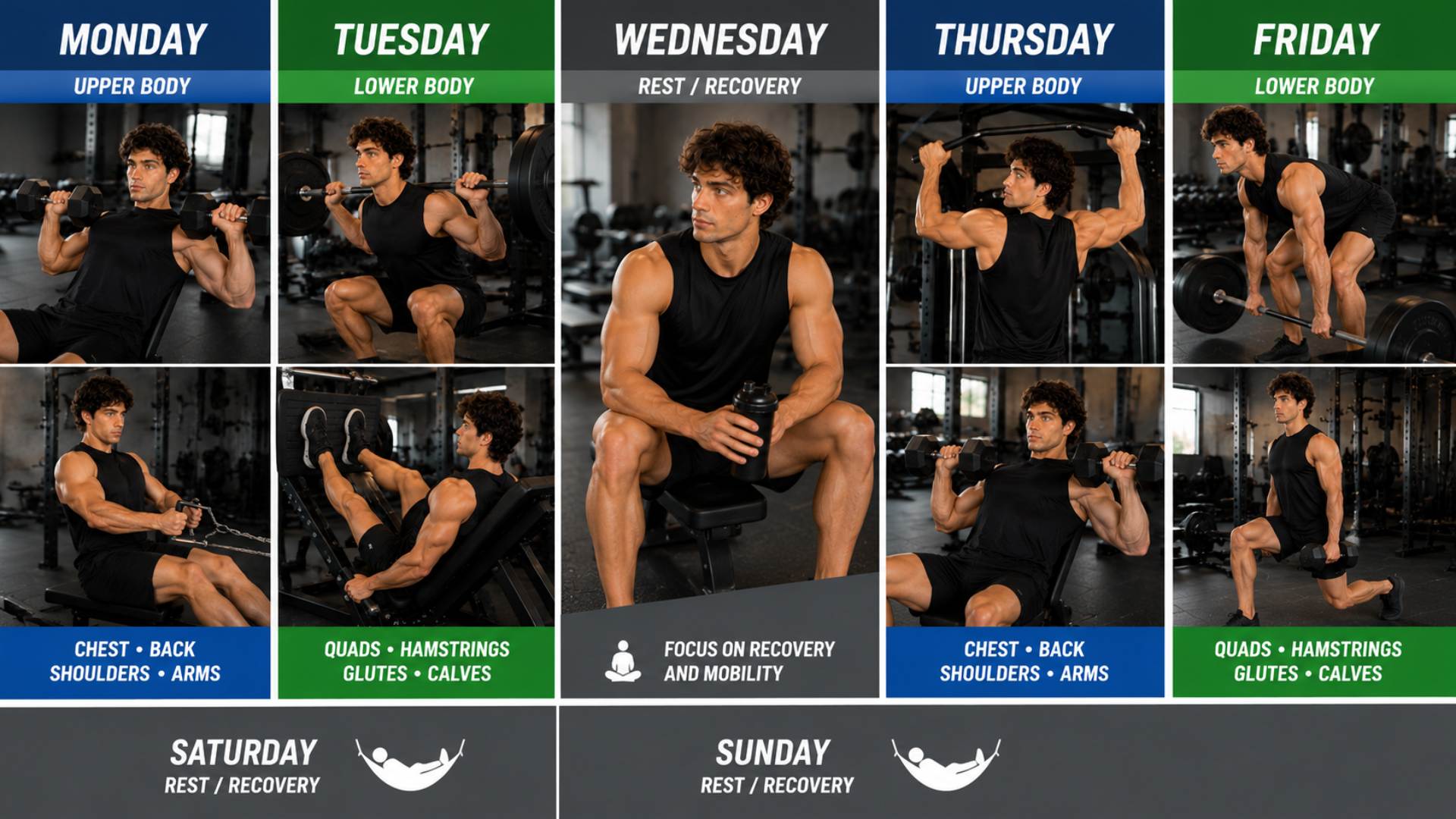
The upper-lower split is one of the most research-supported structures for beginner muscle building.
- Monday and Thursday cover upper body work.
- Tuesday and Friday cover lower body.
- Wednesday, Saturday, and Sunday are recovery days.
This split works particularly well for beginners because the twice-weekly frequency for each muscle group hits what the research identifies as the optimal stimulus range without accumulating so much volume that recovery becomes a limiting factor.
5-Day Bodypart Split

Bodybuilders often prefer a five-day structure where each day focuses on one muscle group:
- Monday: Legs, quad dominant
- Tuesday: Chest
- Wednesday: Back
- Thursday: Legs, hip dominant
- Friday: Arms
This approach works better for intermediate and advanced trainees who have enough volume tolerance to fill a full session dedicated to a single muscle group. For most beginners, it produces more fatigue than growth in the early months.
6-Day Split
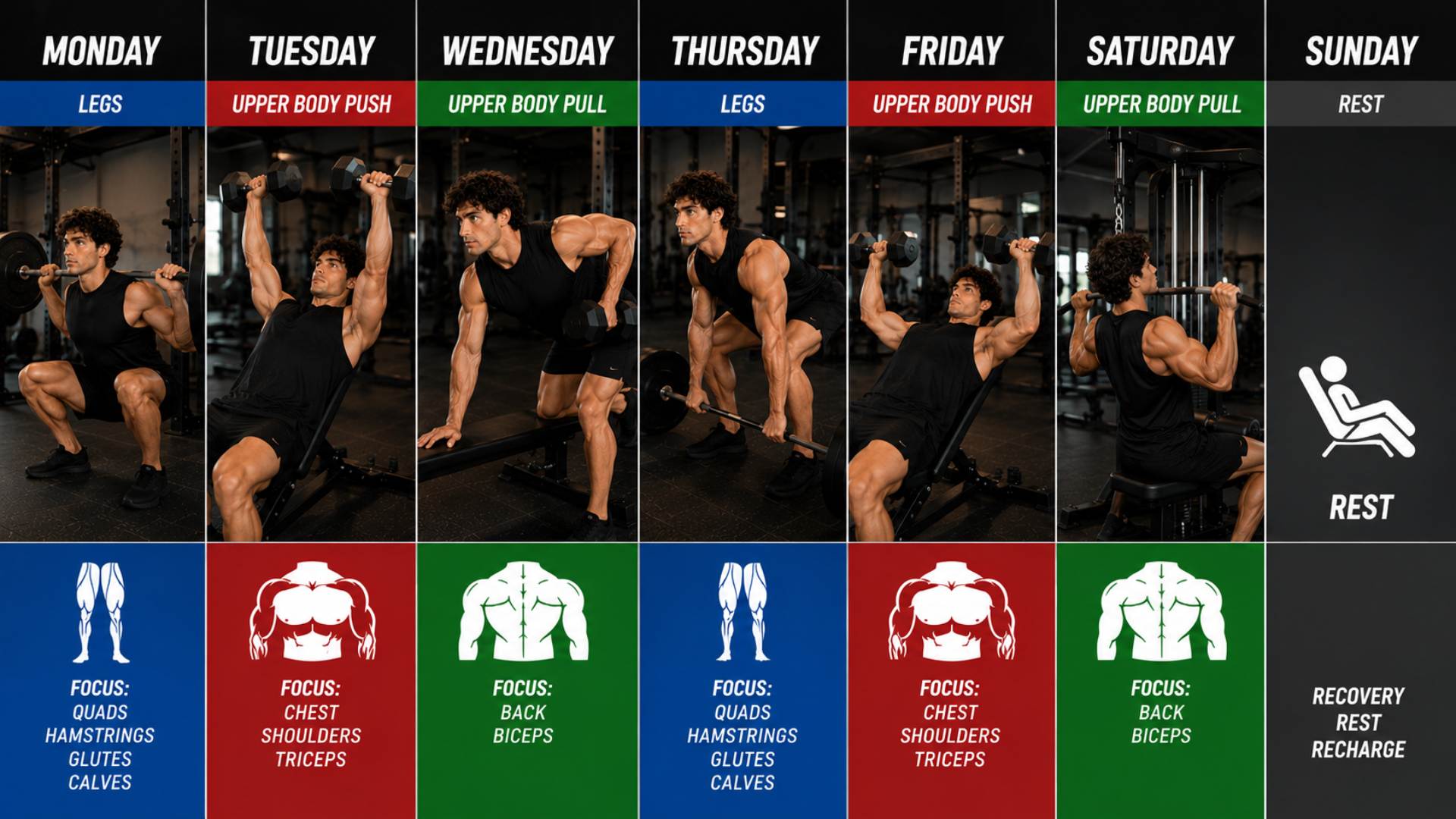
For the training nerds who want to push frequency higher, a six-day split runs:
- Monday: Legs
- Tuesday: Upper Body Push
- Wednesday: Upper Body Pull
- Thursday: Legs
- Friday: Upper Body Push
- Saturday: Upper Body Pull
- Sunday: Rest
This is a high-frequency approach that works well when recovery is managed carefully through nutrition and sleep. It is not necessary for beginners but produces consistent results when the fundamentals are in place.
Regardless of the split you choose, start your strength gains in the 5 to 15 rep range for most exercises. Compound lifts like squats, deadlifts, bench press, rows, and overhead press should anchor every session because they produce the most systemic stimulus for muscle gain across the whole body. Isolation work fills in around them rather than replacing them.
Progressive overload is the mechanism that drives long-term muscle gain. That means adding weight, reps, or sets over time rather than doing the same thing session after session. If you are not tracking what you lifted last week, you cannot know whether you progressed this week, which is why logging matters more than most beginners realize early on.
7 Muscle Building and Weight-Lifting Tips
Warm Up Before Exercising
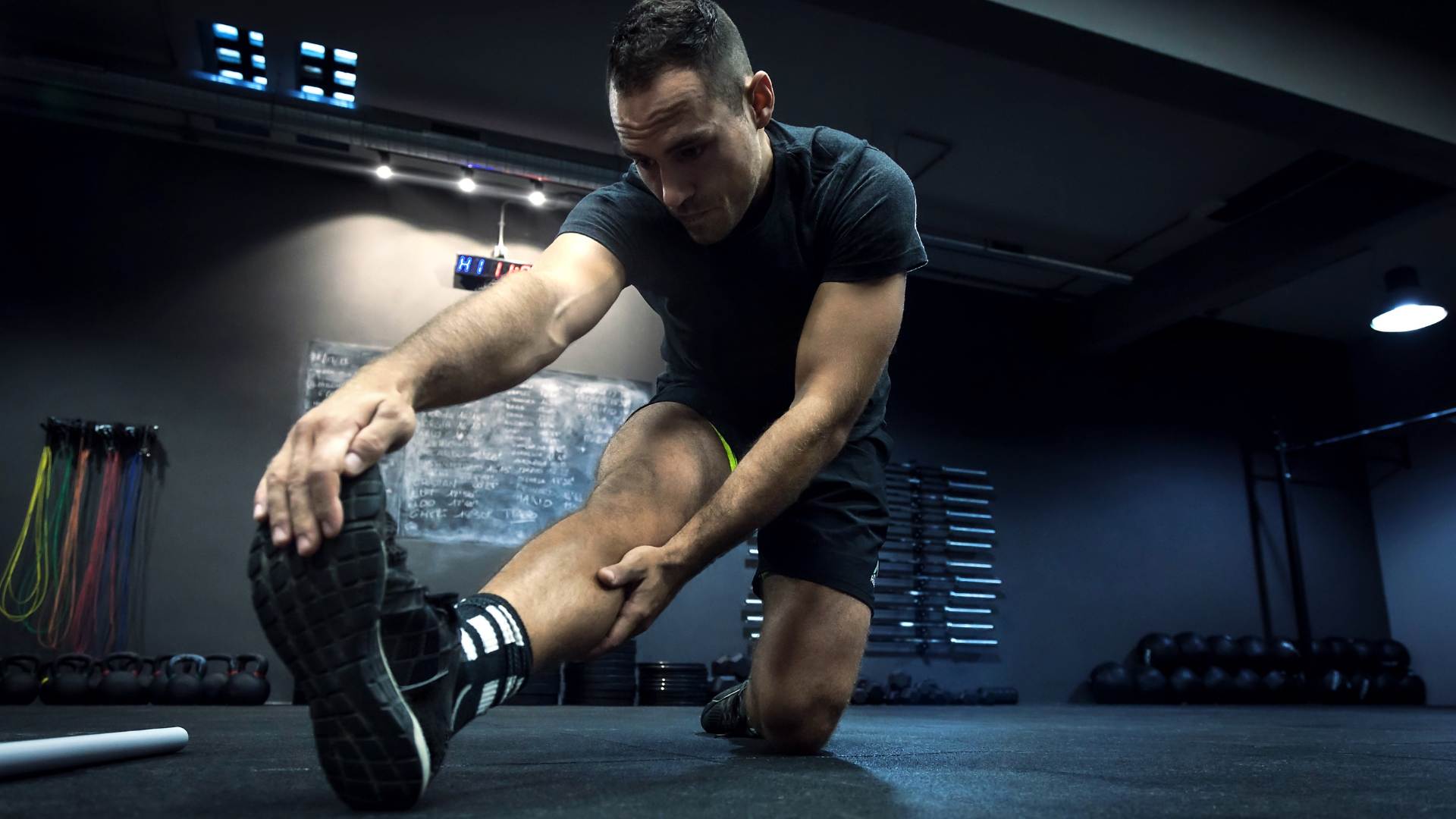
A proper warm-up is not optional filler before the real work starts. It raises core temperature, increases blood flow to working muscles, and primes the neuromuscular system for the loads that follow.
Five to ten minutes of light cardio followed by dynamic stretching and a few sets of the main movement at reduced weight covers what you need. Cold muscles under heavy load produce injury risk rather than muscle growth, and an injury at the beginning of a training program sets the whole process back by weeks or months.
Have a Focused Form
Form first is the principle that every experienced lifter eventually circles back to after learning it the hard way. Moving more weight with compromised mechanics does not produce more muscle gain. It produces joint stress, compensatory movement patterns, and eventually an injury that forces a break.
Spend the first several weeks of any new exercise learning the pattern at a weight that allows full control through the entire range of motion. The strength gains come faster when the mechanics are right from the start.
Stimulate, Do Not Annihilate
One of the most common beginner mistakes is treating soreness as the primary indicator of a productive session. Muscle soreness signals novelty and accumulated damage, not necessarily productive stimulus. The goal of a training session is to stimulate the adaptation process, not to destroy the muscle so completely that it takes a week to recover.
Leaving one to two reps in reserve on most sets, rather than grinding to failure on every exercise, produces better long-term muscle gain by allowing you to maintain training quality across the full session and recover faster between sessions.
Adjust Your Rest Time Accordingly

Rest periods between sets affect both the hormonal environment during training and the amount of volume you can sustain across the session. Compound lifts like squats and deadlifts require longer rest periods, typically two to three minutes, because the systemic demand is high and performance drops significantly with shorter rest. Isolation exercises for smaller muscle groups can be managed with 60 to 90 seconds. Keeping rest consistent rather than arbitrary improves the quality of every set that follows.
Do Not Overdo It
More training volume does not automatically produce more muscle gain, particularly for beginners whose work capacity is still developing. Training five to six days per week when you are new to lifting does not produce five to six times the results of training three days per week.
It produces overtraining symptoms, disrupted sleep, reduced motivation, and a plateau that discourages further effort. Three to four well-structured sessions per week is where most beginners see their strongest early progress because recovery days actually have time to work.
Write Down Everything
Logging your training is the most underused tool available for consistent muscle gain. When you record what you lifted, how many reps, and how it felt, you build a data set that tells you whether you are actually progressing or spinning in place.
Most people who think they have been making consistent progress for months discover when they look back that they have been lifting the same weights for six weeks. The log removes that blind spot entirely.
Follow a Routine, Have a Plan, and Stick With It for Months
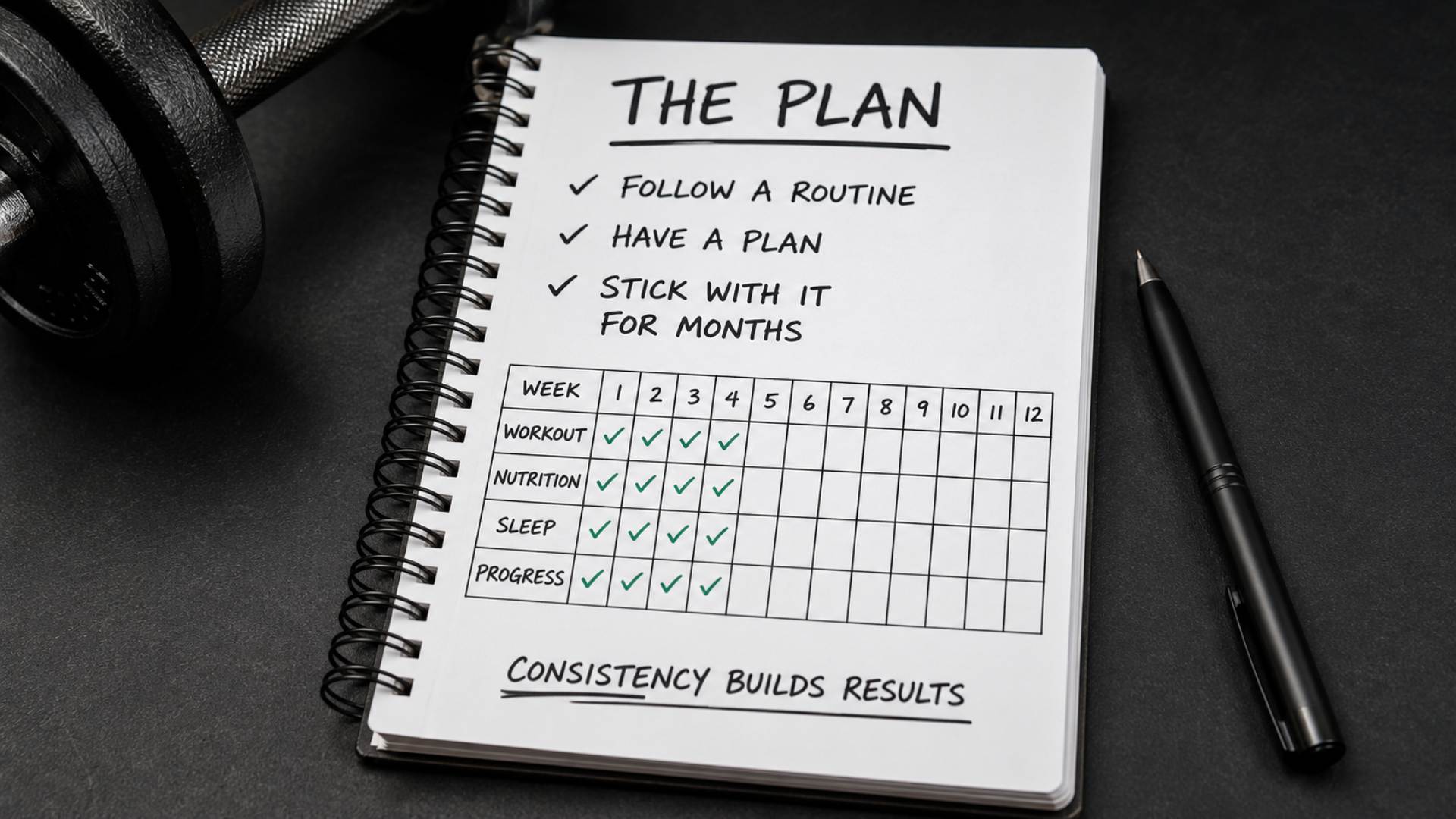
Program hopping is one of the primary reasons beginners fail to gain muscle at the rate their bodies are actually capable of. Every new program requires an adaptation period before it starts producing clear results.
Switching programs every three to four weeks because progress feels slow means you are always in the adaptation phase and never in the productive phase. Commit to a single program for a minimum of eight to twelve weeks, make small adjustments based on your log rather than your feelings on any given week, and consistency key becomes the actual differentiator between people who build a real foundation and people who are still in the same place a year from now.
Frequently Asked Questions (FAQs)
How do I gain weight fast?
Gain muscle and gain weight are related but distinct goals. For weight gain broadly, a consistent calorie surplus of 250 to 500 calories above maintenance combined with adequate protein and resistance training produces the most controlled results.
What foods are good for weight gain?
Protein-dense whole foods like chicken, eggs, Greek yogurt, cottage cheese, fish, and legumes form the foundation of a muscle gain diet. Calorie-dense additions like olive oil, nuts, avocado, whole milk, oats, and rice help reach the calorie surplus.
How can I gain 10 pounds in 30 days?
Gaining 10 pounds of actual muscle in 30 days is not physiologically realistic. Even with optimal training, nutrition, and recovery, muscle gain for beginners runs at roughly 1 to 2 pounds per month. Ten pounds of scale weight gain in 30 days would require consuming roughly 35,000 calories above maintenance, most of which would be stored as fat.
Wrapping Up…
Muscle gain is not complicated, but it is not fast either. The beginners who build the most impressive foundations over their first one to two years of training are almost never the ones who trained the hardest in any individual week. They are the ones who trained consistently, ate enough protein, slept enough hours, and ran the same fundamentals for months without getting bored and switching programs every time a new routine showed up on their social media feed. Beginner muscle building rewards patience and structure more than intensity and novelty. Start with the basics covered in this guide, commit to them for at least three months, and the results will be there when you look back.