

Here’s the truth nobody tells you when you first decide to work on yourself: most people start in the wrong place. They go straight to routines, wake-up times, and productivity hacks before they’ve even figured out what they actually want or why they keep ending up in the same spot year after year.
A self growth journey doesn’t begin with a 5 a.m. alarm. It begins with a real, honest conversation with yourself. Once that happens, everything else starts to fall into place a lot more naturally than you’d expect. This isn’t a feel-good pep talk. These are practical steps that work, laid out in a way you can actually follow through on.
Table of Contents
How to Start Your Self Growth Journey — 7 Easy Ways
1. Self-Reflection — Know Where You Are

Most people are running hard in a direction they never consciously chose. They picked up habits, patterns, and beliefs somewhere along the way and just kept going. Self reflection is a part of the self-growth journey, and it’s the point where you stop, look around, and ask. Wait, is this actually where I want to be?
You don’t need a therapist’s couch for this. Grab a notebook. Write down what feels off in your life right now. Your career, your relationships, your health, your finances, which of these keeps nagging at you? Which one, if you fixed it, would change the most?
Research from Organizational Behavior and Human Decision Processes actually backs this up. People who take time to reflect on their experiences consistently outperform those who stay in constant motion without ever pausing to evaluate what’s working and what isn’t. Ten or fifteen minutes of real honesty here will save you months of spinning your wheels later.
2. Define Your “Why” and Vision

Goals without reasons behind them fall apart the moment life gets inconvenient, and life always gets inconvenient. Before you write a single goal down, ask yourself why it matters to you. Not why it should matter, not why someone else thinks it matters. Why does it matter to you, specifically? That answer is your fuel. Without it, you’re running on empty from day one.
A growth mindset isn’t just about believing you can improve. It’s about having a clear enough reason to actually do the work when the motivation runs dry, which it will. Your vision doesn’t have to be polished. It just has to be yours. Write down what your life looks like in 12 months if things actually go the way you want. Be specific. “Better” is not a destination.
3. Set Small, Achievable Goals

The reason most people’s self improvement journey stalls out in the first month isn’t laziness. It’s that they set goals so big they had no real shot at building momentum before discouragement set in.
A Dominican University study found that people who write down specific goals are significantly more likely to follow through compared to those who keep things vague or stuck in their head. Goal setting, done right, is about creating wins early and often, not about swinging for the fences right out of the gate.
Pick one or two things to work on this month. Nail those. Then add more. Small steps compound faster than most people realize, and the confidence you build from actually finishing something carries over into everything else.
4. Build Foundational Daily Habits
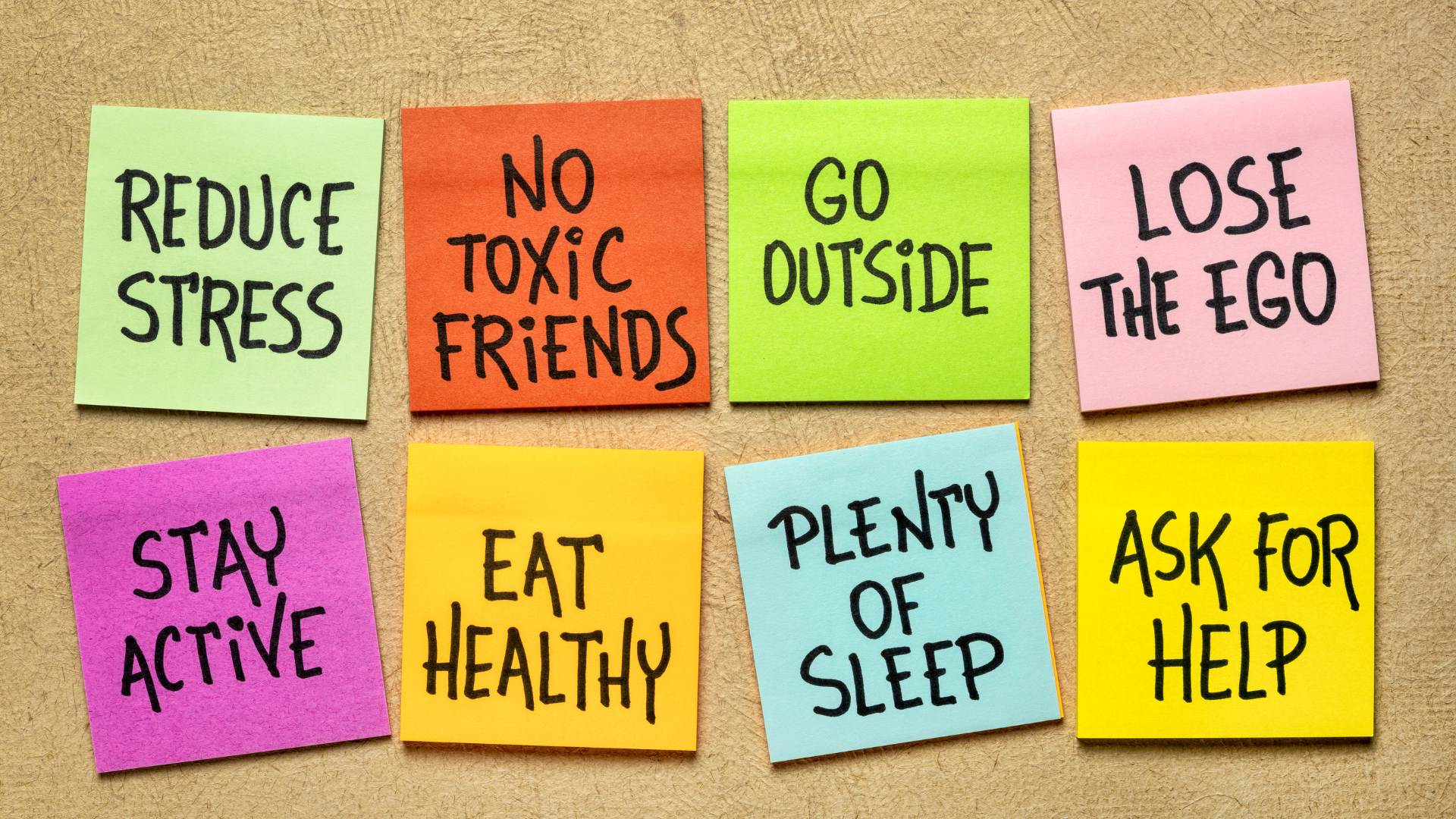
Willpower is not a strategy. It runs out, usually right when you need it most. The people who stay consistent on their self growth journey are not more disciplined by nature. They’ve just built their environment and their routines in a way that makes the right choice easier. They don’t rely on feeling motivated. They rely on structure.
Kick off with the basics. Sleep. Movement. What you eat. These aren’t optional add-ons to your self growth journey plan. They’re the floor everything else sits on. Once those are in reasonable shape, layer in a reading habit or a daily learning block. Keep it short at first. 15 to 20 minutes is more than enough to start. One solid daily habit beats ten habits you do for a week and abandon.
5. Create a Simple Personal Development Plan

The word “plan” makes people overthink this. You don’t need a binder, a color-coded spreadsheet, or a vision board covered in magazine cutouts. You need a one-page document that answers three questions clearly. Where am I now? Where do I want to be? What will I do, specifically, to get there?
A personal development plan works because it forces you to translate vague intentions into concrete actions. It also gives you something to return to when you drift, which you will at some point. Everyone does.
Cover the areas that actually matter to you, health, money, career, relationships, and mental well-being. Keep it simple enough that you’ll actually open it again next month and not feel overwhelmed by what you wrote.
6. Find Accountability and Support

Here’s something that gets skipped a lot in self growth journey. You don’t have to do this alone, and honestly, you probably shouldn’t. Having an accountability partner changes the dynamic completely. It’s no longer just you and your own excuses in a room together. Someone else knows what you said you’d do, and that alone is enough to push you through a lot of the moments where you’d otherwise let yourself off the hook.
Your partner doesn’t need to share your goals. They just need to check in, ask honest questions, and not let you talk your way out of the things you committed to. If you can’t find that person right now, a consistent journaling practice can serve a similar function. You’re still answering to something outside your current mood.
7. Track Progress and Adjust Regularly

Most people measure their self growth journey by how they feel. That’s a terrible metric. Feelings fluctuate wildly based on sleep, stress, what you had for lunch. Progress tracking gives you something more reliable to look at.At the end of each week, spend five minutes reviewing what you did and what you skipped.
Don’t judge it, just look at it. If the same thing keeps getting pushed aside week after week, that’s telling you something important. Either the goal doesn’t actually matter to you, or there’s a real obstacle in the way that you need to address directly. Your self improvement journey doesn’t move in a straight line, and your plan shouldn’t pretend it will. Adjust. Recalibrate. Keep going.
How to Stay Consistent and Overcome Obstacles
Somewhere around week three or four, the novelty wears off. The early excitement that made it easy to stick to your plan starts to fade, and you’re left with just the work. This is the part that separates people who actually change from people who were just temporarily inspired.
Motivation is not the tool for this stretch. Routine is. When you build your day so that the right behaviors happen almost automatically, you take the decision out of it. You don’t have to choose to go for a walk if putting on your shoes at 7 a.m. is just what you do.
When you hit a plateau, and you will, the answer is almost never to push harder. Usually, it means something in your approach needs to shift. Try something slightly different. Revisit your goals and make sure they still mean something to you. Sometimes what worked in month one stops working in month three, and that’s completely normal.
Progress tracking becomes especially valuable here. When you feel like nothing is happening, your log will often show you that things actually are moving, just slower than you’d like. Slow progress is still progress.
A journaling practice also earns its place during rough stretches. Writing through a setback forces clarity. It takes the emotional noise and turns it into something you can actually think through and respond to. The only way a self growth journey fails permanently is if you stop entirely. Everything else is just a bump.
Frequently Asked Questions (FAQs)
How can I start my personal growth journey?
Start with an honest look at where you actually are, not where you wish you were. Pick one area of your life that needs the most attention, set one clear and specific goal around it, and build one daily habit that supports it. That’s genuinely enough to get started. The mistake most people make is waiting until everything is perfectly set up before they begin.
What are the 5 pillars of personal growth?
Most serious frameworks point to five core areas: mental development, physical health, emotional intelligence, relationships, and financial well-being. Real growth touches all five, though the weight you put on each one will shift based on where you are in life and what’s most out of balance right now.
How do I stay motivated on this journey?
Stop depending on motivation as your primary driver. It comes and goes, and building your whole strategy around it is a setup for failure. Instead, tie your goals to a reason that actually matters to you personally, build routines that carry you through the low days, and keep your wins visible so you can see how far you’ve already come when things get hard.
Wrapping Up…
A self growth journey is not something you finish. There’s no arrival point, no final version of yourself you eventually unlock. It’s an ongoing process of paying attention, making better choices, and course-correcting when you drift.
What matters most is not how perfectly you execute the plan, it’s whether you keep showing up. The person who does the work imperfectly, consistently, over a long period of time will always outpace the person waiting for the perfect conditions to start. You already have enough to begin. Start today.