

“Burnout” gets thrown around a lot these days. People use it to describe how they feel at the end of a brutal work week, after a tough semester, or following a long stretch of caregiving. But what is burnout, really? And do you have it? If you do, what can you do about it to mentally recover from it?
The World Health Organization classifies burnout as an “occupational phenomenon,” not a medical condition, originally anchored in work-related stress. According to the WHO, three hallmarks define it:
- Lack of energy or exhaustion.
- Feelings of negativism or cynicism.
- Poor performance.
It is more than just being tired. It is a state where your mind and body have been pushed past their limit for too long.
Table of Contents
Common Signs of Burnout

- Constant mental exhaustion
- Dreading work daily
- Detachment from responsibilities
- Increased irritability
- Trouble concentrating
- Physical fatigue, headaches
- Feeling emotionally numb
- Loss of motivation
- Social withdrawal
- Reduced sense of accomplishment
- Disrupted sleep patterns
- Cynicism about everything
Burnout vs. Depression
These two get confused very often, and that confusion matters because the path forward is different for each one.
Burnout is largely situational. Pull someone out of a toxic work environment, give them genuine rest, and many symptoms start to ease. Depression does not work that way. It follows you regardless of circumstance, affects how you feel about everything, and carries a deeper biological component.
That said, chronic burnout can absolutely trigger depression. The overlap is real. You may feel hopeless, low, and withdrawn in both cases. A mental health professional is the only one equipped to sort through which is which. Do not try to self-diagnose your way out of this one.
Burnout and Neurodivergence
For people with ADHD, autism, anxiety disorders, or other forms of neurodivergence, burnout hits differently. The emotional and cognitive labor required just to function in systems not built for them is enormous. Masking, over-adapting, and pushing through sensory overload day after day drains reserves that neurotypical people never even have to think about.
Autistic burnout, for example, is now recognized as a distinct experience — marked by extreme exhaustion, loss of previously held skills, and a withdrawal from everyday life. Recovery for neurodivergent people often takes longer and requires more structural change than traditional burnout advice tends to account for. Generic tips only go so far. The root causes here run deeper.
12 Ways To Recover From Burnout
Recovery is not a weekend project. It is a deliberate, sometimes slow process of rebuilding. Here is where to start.
1. Get Professional Help

Kick things off here. A therapist, psychologist, or psychiatrist can help you figure out exactly where you are and what kind of support you need. Burnout does not always respond to willpower alone, and trying to gut your way through it without guidance can dig the hole deeper. Cognitive behavioral therapy (CBT) has solid evidence behind it for stress and burnout recovery. Talk to someone who knows what they are doing.
2. Alert Your Support System

The people closest to you need to know what is going on. Not because you owe them an explanation, but because they cannot help if they do not know. Telling a close friend, partner, or family member what you are going through takes some of the weight off your shoulders. It also creates accountability and opens the door for practical support you might not have asked for otherwise.
3. Tell People What You Need

This is harder than it sounds. Most people in burnout have been running on empty while still meeting everyone else’s expectations. Now is the time to flip that. Be specific about what helps. You might need someone to take tasks off your plate at work, or you might need a friend who just checks in without adding pressure. Or you might just be looking for a clean decluttered environment around you. Vague requests lead to vague support. Say what you actually need.
4. Practice Self-Compassion
You did not mentally burn out because you are weak. You burned out because you kept going when everything was telling you to stop. That distinction matters. Self-criticism at this stage only slows recovery. Research out of the Greater Good Science Center at UC Berkeley consistently links self-compassion with greater emotional resilience and faster psychological recovery. Talk to yourself the way you would talk to someone you actually care about.
5. Monitor Your Stress Levels
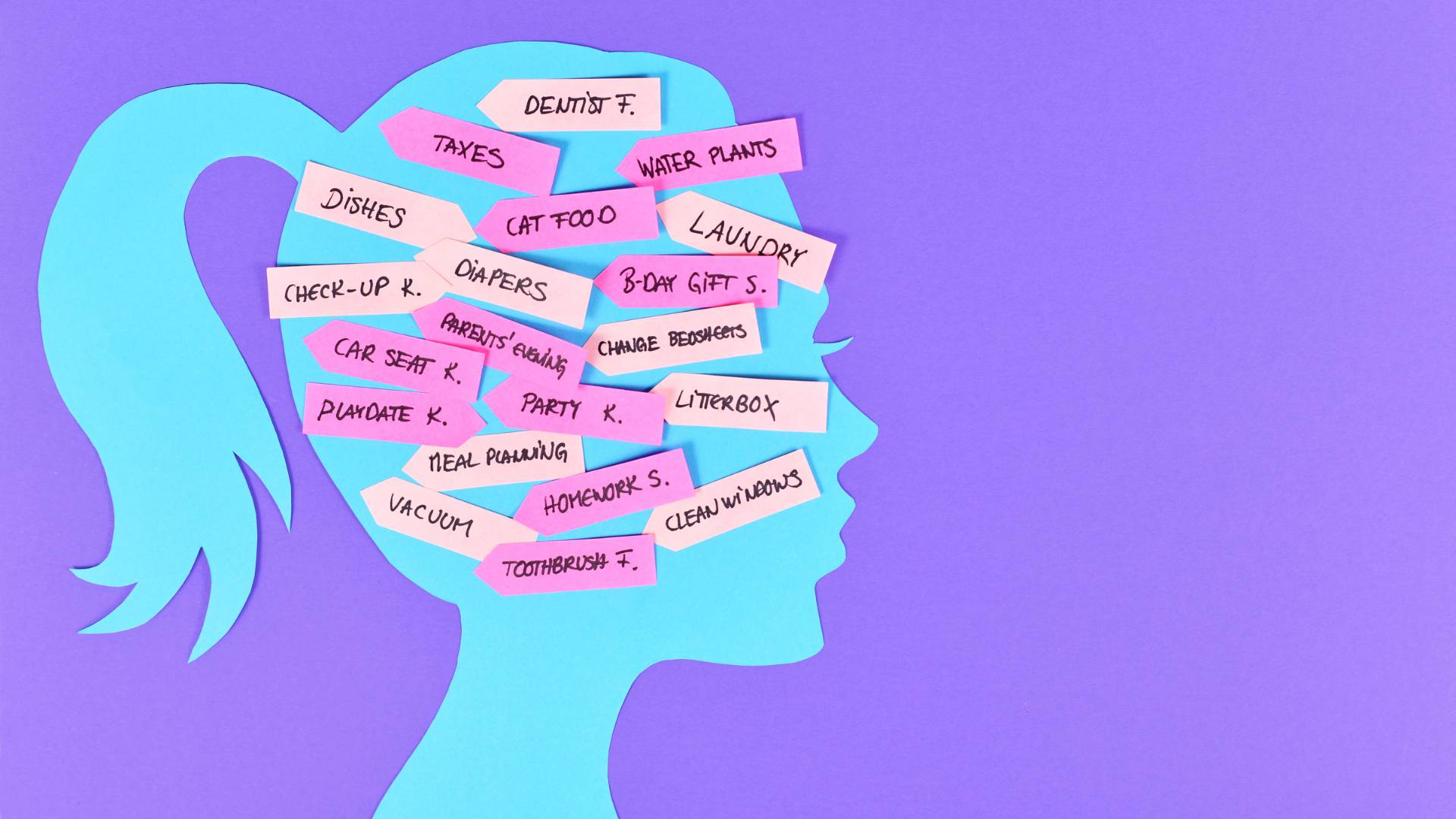
Pay attention to what is happening in your body before it reaches a breaking point. Stress has physical signatures. It could nearly range from tight shoulders to a racing mind to disrupted digestion and poor sleep. Tracking these signals, even casually, helps you catch the buildup early. Some people use apps. Others keep a simple daily log. The method matters less than the habit of checking in with yourself regularly.
6. Make a Habit of Journaling

Journaling is not about writing beautifully. It is about getting the noise out of your head and onto paper where you can actually look at it. Studies published in journals like Advances in Psychiatric Treatment have found expressive writing reduces psychological distress over time. Five minutes a day is enough. Write whatever comes. You are not performing for anyone.
7. Try Different Stress-Management Techniques
No single technique works for everyone when it comes to mentally recovering from burnout. This is a process of testing and finding what actually helps your nervous system settle down. A few worth trying:
- Biofeedback — real-time feedback on your body’s stress responses to help you regulate them.
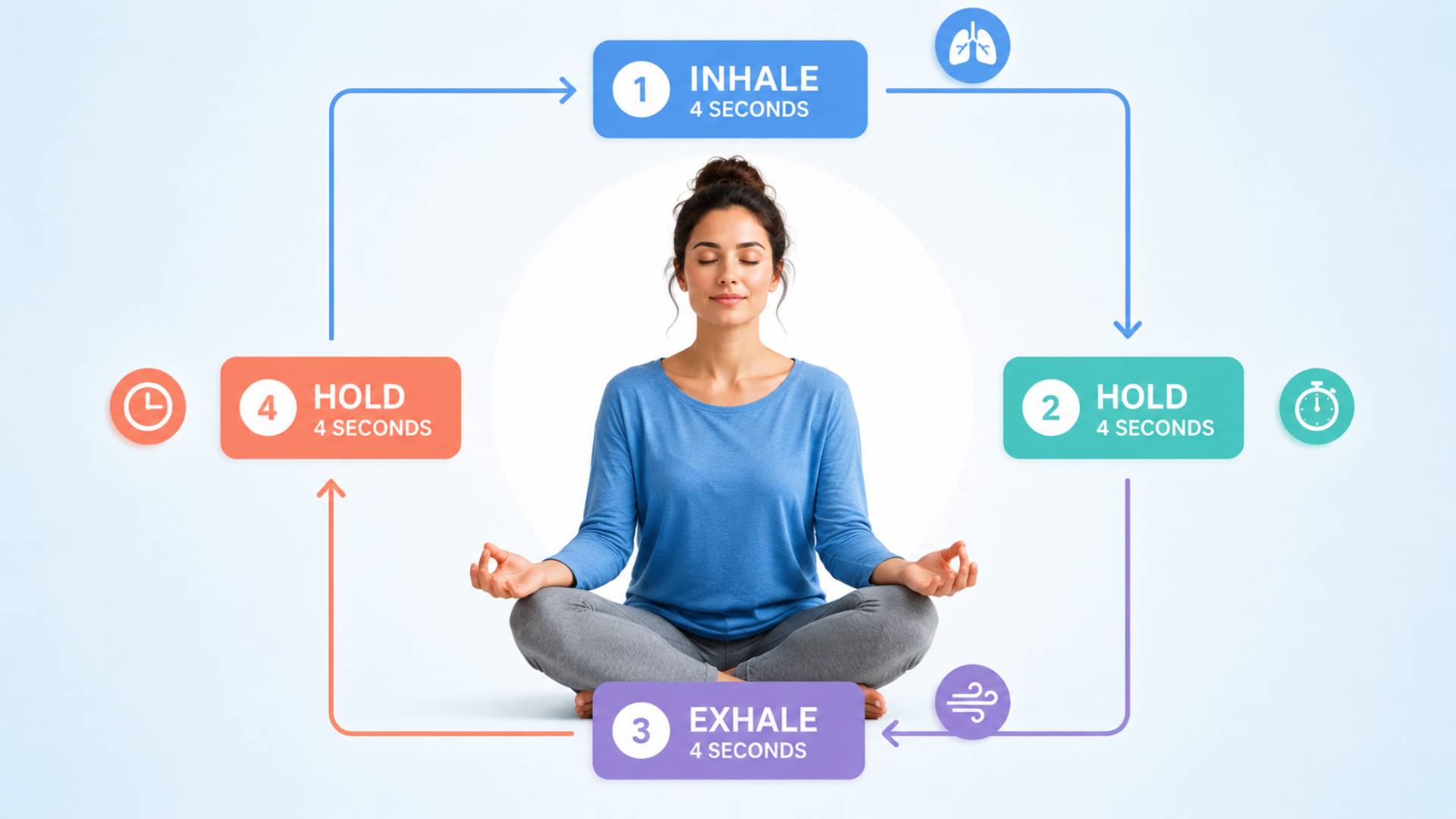
- Box breathing — a structured breathing technique used by everyone from Navy SEALs to therapists.
- Forest therapy — time in natural environments with measurable effects on cortisol levels.
- Yoga nidra — a guided meditation practice that promotes deep rest without sleep.

- Epsom salt baths — a low-effort way to ease physical tension.
- Vagus nerve stimulation — techniques that activate the body’s natural calming response.
- Adaptogen supplementation — herbs like ashwagandha and rhodiola that may support the body’s stress response.
- Self-hypnosis — a guided focus technique to quiet the overactive mind.
Try one. Stick with it long enough to know if it works. Then try another if needed.
8. Set Boundaries
Burnout rarely happens in a vacuum. There are usually systems, relationships, or expectations that contributed to it. Recovery requires you to put up some real guardrails. That might mean setting a hard cutoff time for work emails.
It might mean saying no to commitments that are not essential right now. It might mean having a difficult conversation with a manager or a family member. Boundaries are not about being cold or difficult. They are about protecting the energy you are actively trying to rebuild.
9. Eat a Healthy Diet

When you are depleted, nutrition either works for you or against you. Chronic stress already taxes the body. A diet heavy in processed food, sugar, and caffeine keeps the nervous system in a heightened state.
Whole foods — vegetables, lean proteins, healthy fats, complex carbohydrates — give your body the raw materials it needs to actually recover. This is not about perfection. It is about consistency.
10. Make Time for Exercise

Movement is one of the most well-supported tools for mental health recovery, and so is for burnout. Exercise releases endorphins, reduces cortisol, and improves sleep quality, all things that burnout disrupts. You do not need a training program. A 20-minute walk counts and could help you mentally recover from burnout. The goal right now is consistency over intensity. Start where you are, not where you think you should be.
11. Practice Good Sleep Hygiene

Sleep is when the brain processes stress and the body repairs itself. Burnout often wrecks sleep quality, which then makes everything else harder to manage. Good sleep hygiene means going to bed at a consistent time, keeping screens out of the bedroom, limiting alcohol, and giving yourself a wind-down window before bed. Prioritize this. Everything else in recovery gets harder when you are running on poor sleep.
12. Do Things That Make You Happy
This one sounds obvious. It is not. When you are burned out, joy starts to feel inaccessible or undeserved. You might catch yourself thinking you have no time for it, or that you need to earn it first. That thinking keeps you stuck. Pleasure and rest are not rewards for productivity. They are part of what makes sustained effort possible. Pick one small thing you used to enjoy and do it this week. Not because it will fix everything, but because your life should not be entirely made up of obligations. It could be starting a faceless YouTube channel or working your way into selling digital products.
How Long Does It Take To Recover From Burnout?
There is no standard timeline. Mild burnout with a supportive environment might ease in a few weeks. Severe burnout, especially when it has gone unaddressed for months or years, can take considerably longer. Some researchers suggest full recovery can take anywhere from three months to a year, depending on the person and the circumstances.
The honest answer is that it takes as long as it takes. Pushing for a faster recovery than your situation allows tends to backfire. Progress is not always linear. Some weeks will feel like a step back. That is part of the process.
You’re on Your Way
Getting to the point where you can name what is happening is already progress. Burnout thrives in silence and in the refusal to slow down. The fact that you are here, reading this, asking questions — that matters.
Recovery is not about bouncing back to who you were before. It is about building something more sustainable going forward. You do not have to figure out everything at once. Pick one thing from this list. Start there. That is enough for today.