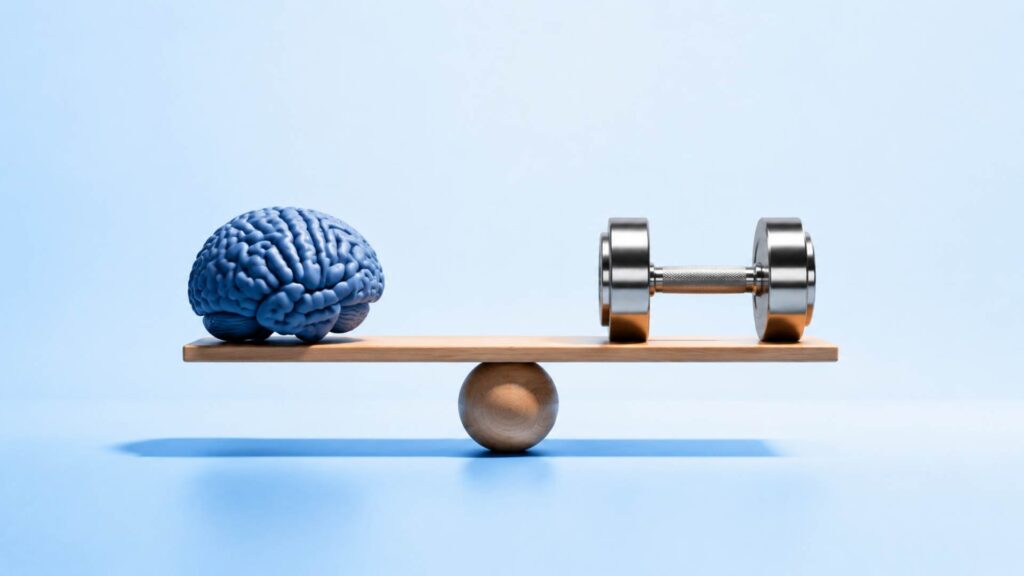

Most people wait for the right mood before they start working on a goal. They wait to feel ready, feel inspired, feel like today is the day. The problem is that feeling never shows up on command.
Discipline vs motivation is not a small debate among self help writers. It is the real reason some people build a life they are proud of while others stay stuck in the same place year after year.
Motivation gets you to open the gym door once. Discipline gets you back there on the days you would rather stay in bed. We’ll break down why discipline matters more than motivation in life, and gives you a clear path to build it starting today.
Table of Contents
What Is Motivation?

Motivation is the spark that gets you moving. It could shows up after a good talk with a friend, a video that hits you the right way, or a moment of frustration with where you are in life. It feels strong in the moment. The problem is that motivation runs on emotion, and emotion changes by the hour.
I’ve felt it too. When I finish all my chores and start scrolling reels, a motivation video that feels relevant can give me a quick boost. My intrinsic thoughts usually go like: I can do this, I have to do it no matter how tired I am, I’ll push through it. But once that moment passes, it just diminished like it never existed. I’m sure many of you guys have experienced the same. The real question is how to stay in that state for longer. And the real answer is through discipline.
What Is Discipline?
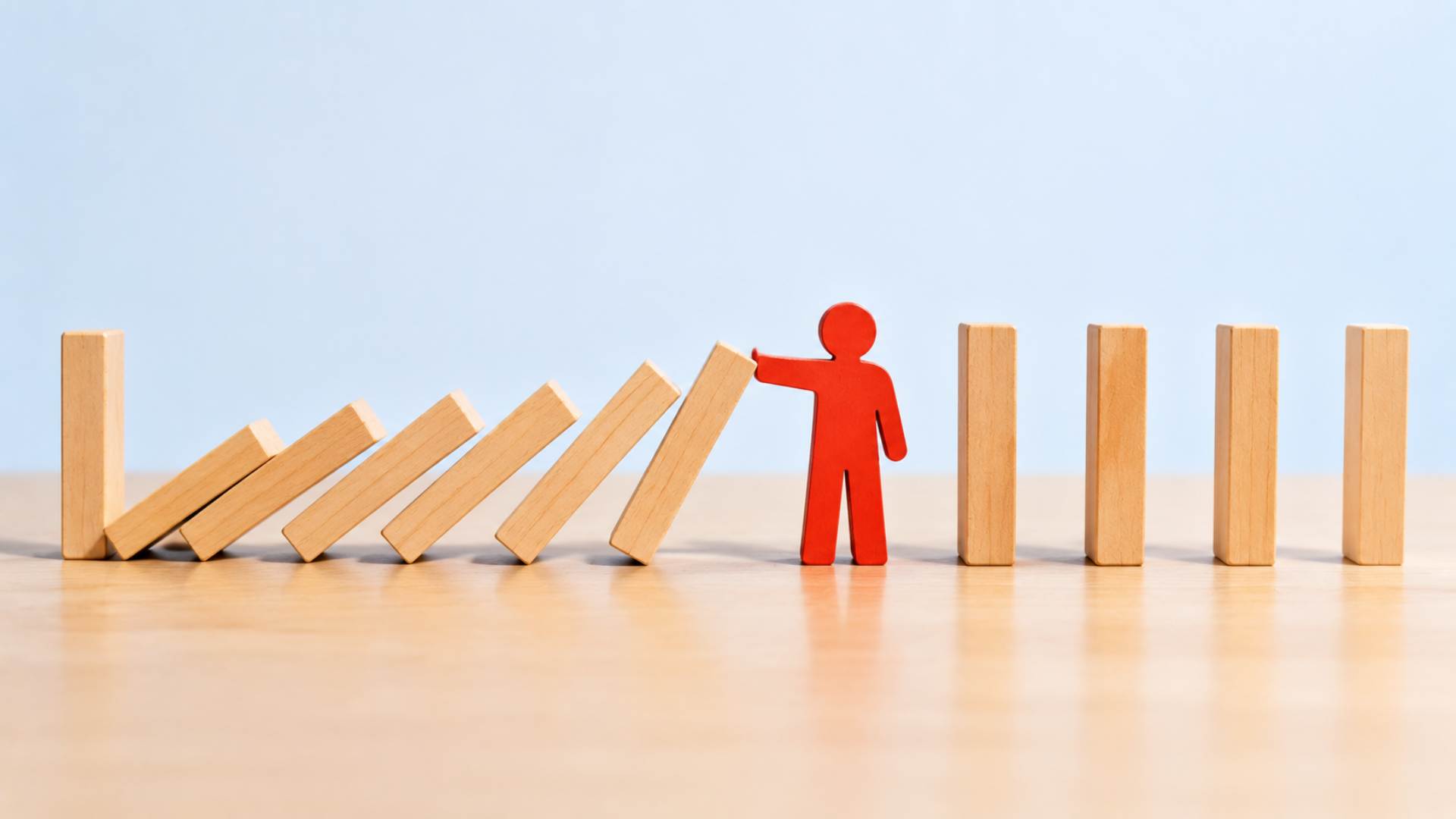
Discipline is what carries you when that spark burns out. It is the habit of doing the task whether you feel like it or not. No mood swing, no bad day, no lazy Sunday changes the plan.
Discipline does not ask how you feel before it gets to work. This is the heart of the importance of discipline, the ability to act on a decision long after the emotion that sparked it has faded. People who build self discipline success stories rarely talk about feeling pumped every single day. They talk about showing up anyway.
Discipline vs Motivation: The Key Comparison
Here is the motivation vs discipline difference in plain terms. Motivation is emotional fuel. It burns bright but burns fast. Discipline is a behavioral system. It runs quietly in the background regardless of how you feel.
Motivation is good for starting something new. It is the reason people sign up for a gym membership in January or start a new diet on a Monday. But starting is the easy part.
Discipline is what finishes the job. It is the system that gets the workout done on day forty when the excitement from day one is long gone.
Think of it like a car. Motivation is the fuel you pour in at the start of the trip. Discipline is the engine, the transmission, and every part working together to keep the car moving long after that tank runs low.
A car with a full tank and a broken engine goes nowhere. Discipline vs motivation really comes down to this: discipline works when motivation disappears, and motivation always disappears.
Why Motivation Fails in the Long Run
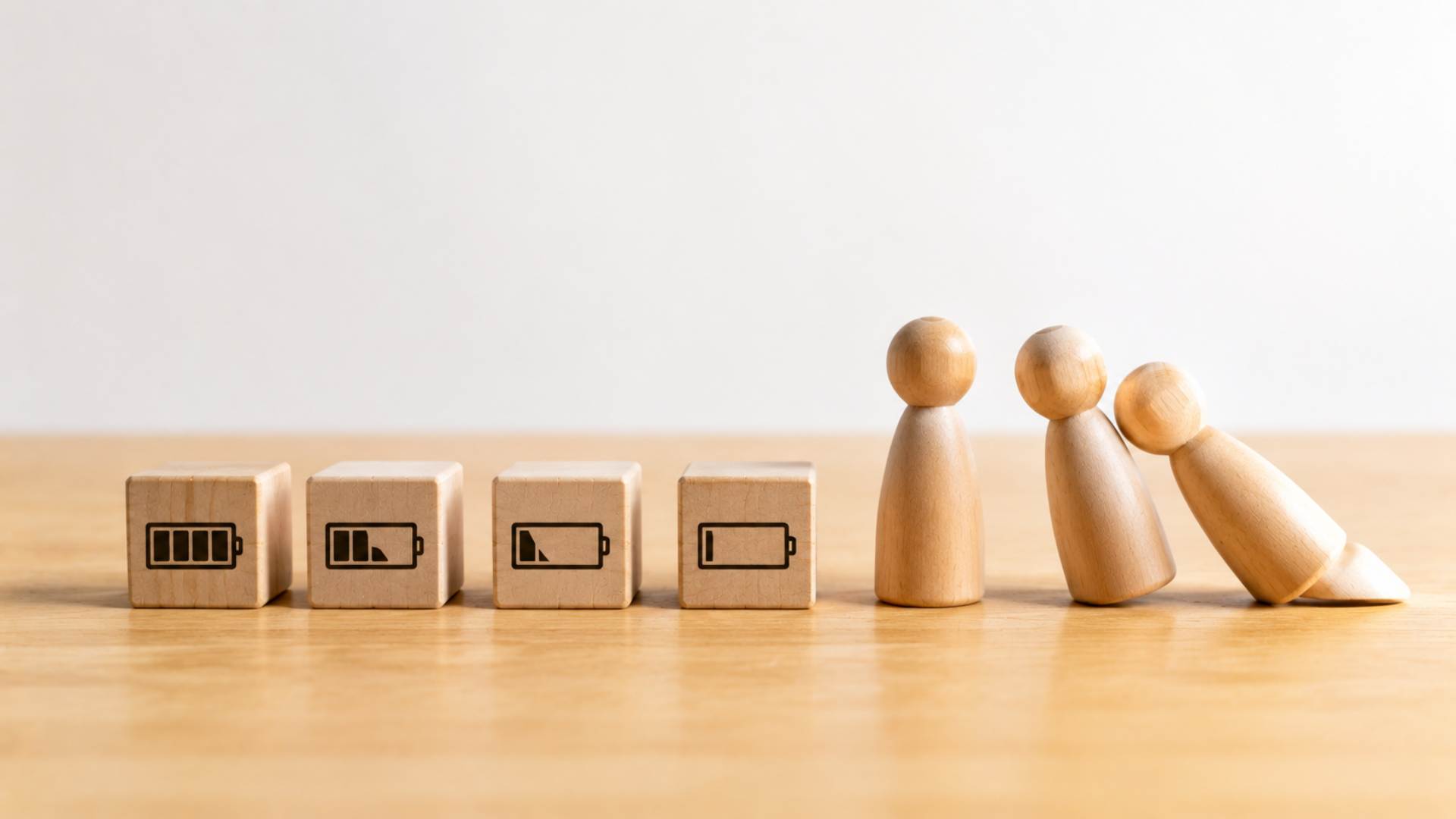
Here is why motivation fails so often. It is tied directly to mood, energy, and circumstance. A rough week at work, a fight with a friend, or even bad weather can knock it flat. Motivation also fades through repetition.
The tenth time you do something rarely feels as exciting as the first. Anyone chasing a long term goal cannot afford to run on something this unstable. Relying on a feeling to carry you through months of work is a setup for failure, and most people who quit on a goal quit right after the motivation runs dry.
Why Discipline Leads to Success

Researchers at the University of Pennsylvania studied eighth graders over a full school year and found that students who ranked high on self-discipline had better grades, better school attendance, and higher standardized-test scores, and were more likely to be admitted into competitive programs.
The same study found that self-discipline outperformed IQ when it came to predicting how well a student would do. That is a strong signal. Talent and intelligence matter, but the day to day grind of disciplined effort tends to win out. This is the kind of self discipline success pattern that shows up again and again once researchers actually measure it.
How to Build Strong Discipline

Building discipline is not about willpower alone. It is about designing your environment and your habits so the right choice becomes the easy choice.
- Start small. Pick one tiny habit you can repeat daily without much effort, like five minutes of reading or a short walk. Small wins build the muscle.
- Create fixed routines. Decide in advance when and where a task happens. A workout at seven every morning removes the daily debate over whether today is the day.
- Remove distractions. Put your phone in another room while you work. Block the apps that pull your attention away. Your environment shapes your behavior more than your willpower does.
- Use an accountability system. Tell a friend your goal, join a group, or track your progress somewhere visible. People follow through more often when someone else is watching.
- Focus on identity. Stop telling yourself you are trying to be disciplined and start telling yourself you are a disciplined person. That shift in self talk changes how you act under pressure.
- Track progress daily. A simple checklist or journal entry keeps you honest about what you actually did versus what you planned to do.
- Avoid relying on motivation triggers. Do not wait for a podcast or a quote to get you moving. Build a routine that runs without needing a push every single day. These steps cover how to stay consistent even on the days nothing about the task feels exciting, and they are the backbone of solid daily routine habits that hold up over months, not just days.
Frequently Asked Questions (FAQs)
What is the difference between extrinsic motivation and intrinsic motivation?
Extrinsic motivation comes from outside rewards, like money, praise, or recognition. Intrinsic motivation comes from inside, the personal satisfaction of doing something you care about. Both fade under pressure, which is why discipline still matters more.
What is the 3 2 1 rule for discipline?
The 3 2 1 rule is a simple structure some people use, three priorities, two hours of focused work, one break, to keep a daily routine grounded.
Can you be disciplined without motivation?
You absolutely can be disciplined without motivation. In fact, that is the entire point. You don’t need motivation to lead a productive day. You need a system you trust enough to follow on the days you feel nothing at all.
Wrapping Up…
Any particular habit you want to build, or one you want to leave behind, comes down to discipline, not a feeling. You may find some relief by watching a motivational reel or a video that lifts your mood for an hour. It rarely lasts long. A smart plan built on consistent habits will carry you further than any wave of inspiration ever could. Pick up the habit, build the system, and let the results speak for themselves.