

Pastoral country roads. Tiny houses. Sourdough bread baking on a Sunday. What do you picture when you hear those phrases? For most people, slow living conjures something rustic, quiet, maybe even a little unrealistic for anyone with a job and a full inbox.
But that is not what slow living really means.
The slow living lifestyle is not about moving at a snail’s pace or opting out of modern life. It means doing everything at the right pace. Instead of constantly pushing to do things faster, slow living focuses on doing things better. That distinction matters more than most people realize.
The roots of this go back further than the Instagram aesthetic would suggest. The slow living movement is part of the wider slow movement that began in the 1980s in Italy, sparked by one very memorable act of protest. When McDonald’s tried to put a restaurant at the Spanish Steps in Rome, the Italians were not having any of it.
They showed up to the square armed with bowls of pasta and declared, loudly, that fast food had no place there. Carlo Petrini founded Slow Food that same year. A cultural pushback had officially begun.
Carl Honoré, who wrote In Praise of Slow — widely considered the manifesto of the Slow Movement — put it plainly:
It is a cultural revolution against the notion that faster is always better. The Slow philosophy is not about doing everything at a snail’s pace. It’s about seeking to do everything at the right speed. Savoring the hours and minutes rather than just counting them. Doing everything as well as possible, instead of as fast as possible. It’s about quality over quantity in everything from work to food to parenting.
That is what slow living is at its core.
Table of Contents
Why More People Are Turning to a Slow Living Lifestyle
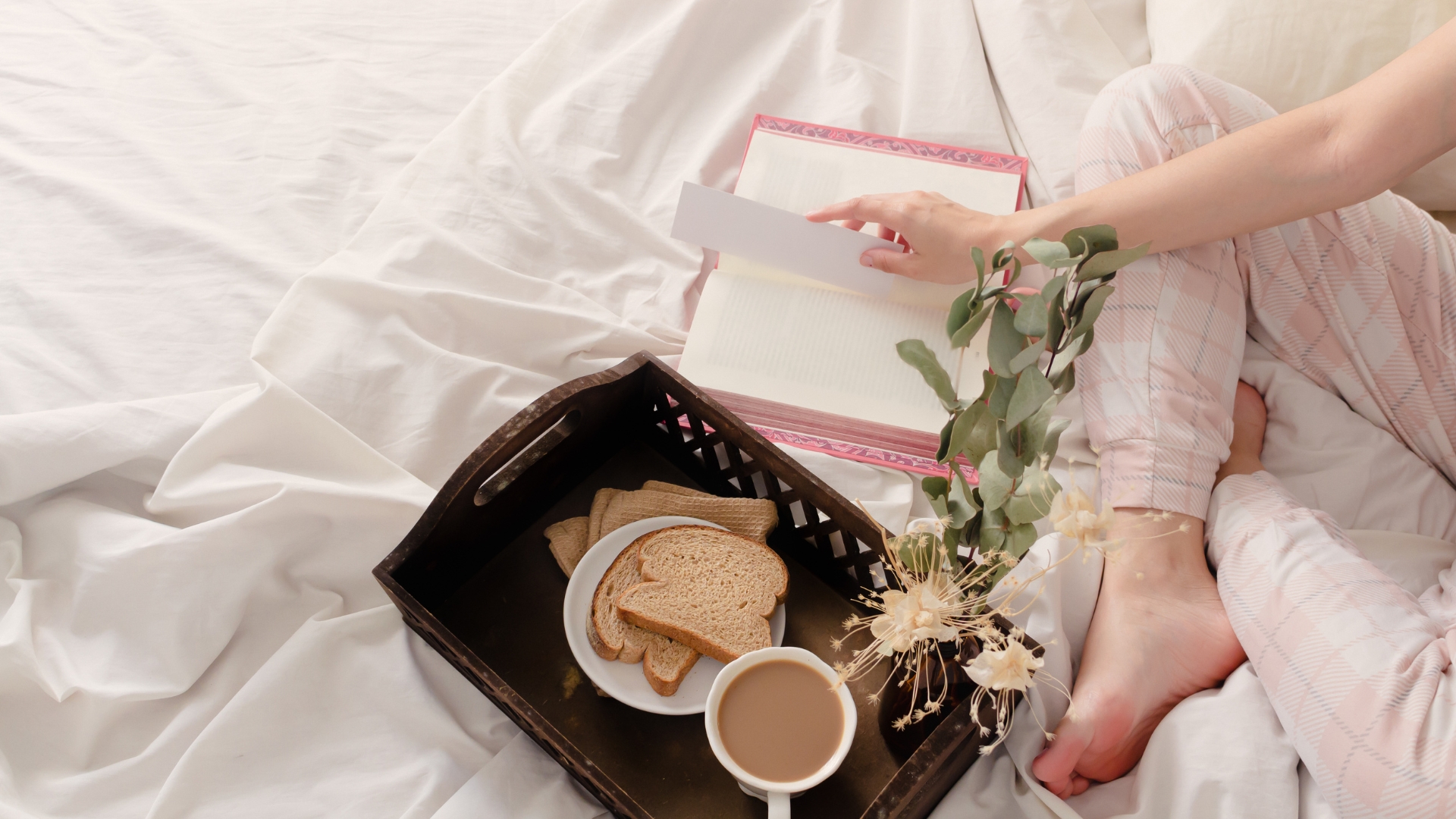
There is a reason this conversation keeps coming up. People are tired in a way that sleep does not fix. They are busy in a way that never feels like enough. They finish a full week and struggle to point to a single moment that felt genuinely good.
The slow living lifestyle has grown in response to that reality, not as an escape from it, but as a practical alternative to the pace that is burning people out.
We know we cannot keep going this way. Sometimes it is fun to go fast. Sometimes it is necessary. And that is completely fine. The problem is when fast becomes the only setting available.
7 Principles That Define Slow Living
1. Doing Less but Doing It Better

Slow living is not about clearing your calendar entirely. It is about being selective. Fewer commitments (the work you do on daily basis) done with full attention produce better results and more satisfaction than a packed schedule executed on autopilot.
2. Being More Present
The slow living lifestyle asks you to actually be where you are. Not half-there while your phone pulls the other half somewhere else. Presence is a skill, and like most skills, it deteriorates without practice.
3. Prioritizing Relationships Over Productivity

Quality time with people you care about tends to get pushed to the bottom of the list when everything feels urgent. Slow living flips that. Relationships are not what you fit in after the to-do list is done. They are part of what the to-do list should be built around.
4. Creating Space for Rest

Rest is not a reward for finishing. It is part of the process. Mental wellness depends on genuine downtime, and a slow living lifestyle treats rest as non-negotiable rather than a nice-to-have when the week allows it.
5. Consuming More Intentionally

This applies to food, media, purchases, and commitments. What is slow living if not a deliberate examination of what you let into your life and why? Less consumption, chosen more carefully, tends to bring more satisfaction than endless accumulation.
6. Simplifying Your Schedule
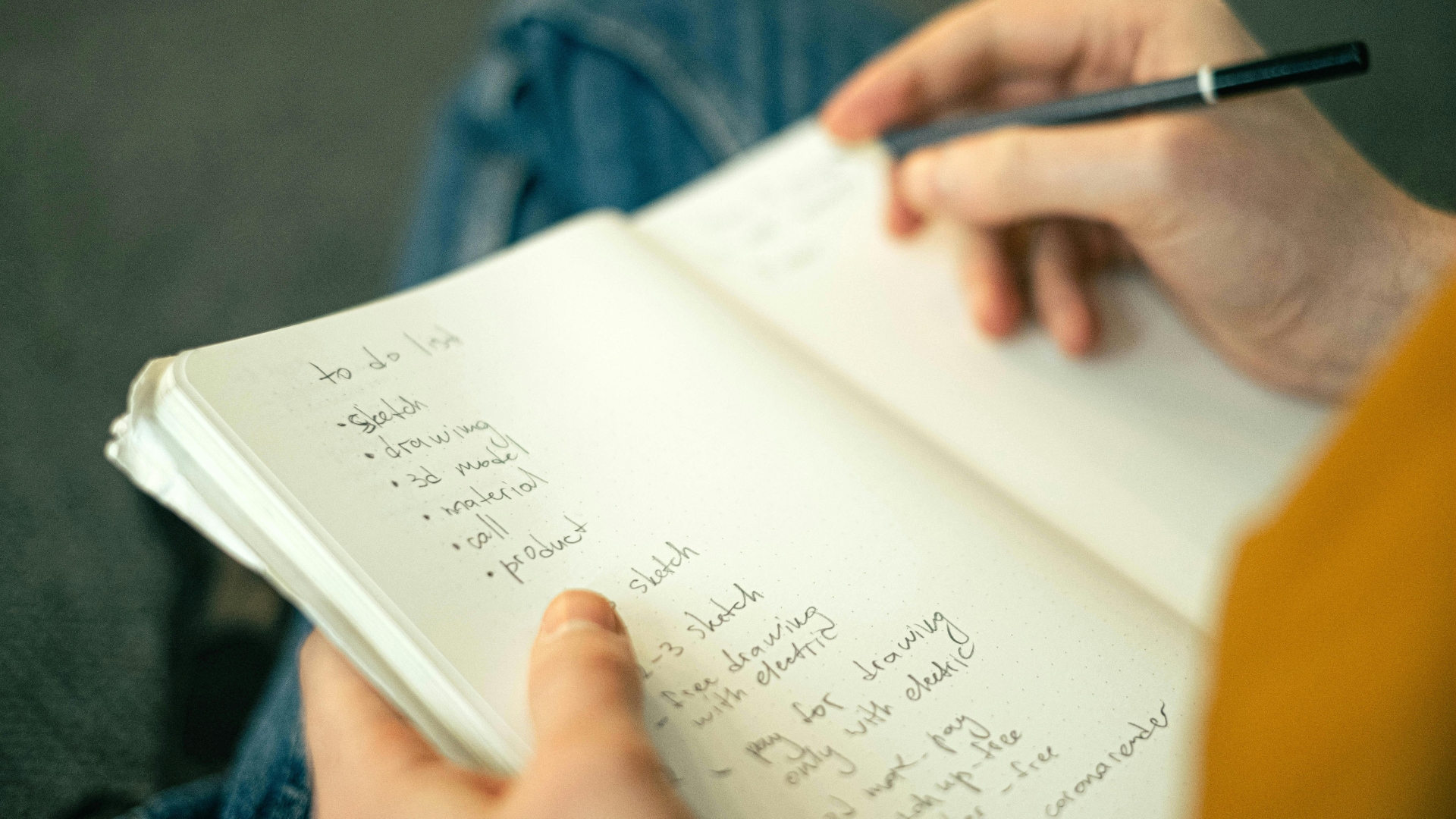
Daily routines that are overloaded leave no room for the things that actually matter. Trimming the schedule is not laziness. It is a design choice that creates space for a slower pace and more meaningful moments.
7. Living According to Your Values

This is where slow living gets personal. Intentional living means your time reflects your personal values, not just your obligations. If you say family matters most but work consumes everything, there is a gap worth looking at.
The Benefits of Slow Living Most People Notice First
Reduced stress and mental overload. Less stress is usually the first thing people report. When you are not constantly reacting to a packed schedule, the nervous system gets a chance to settle.

Greater appreciation for everyday life. Slowing down has a way of making ordinary things visible again. A good meal. A quiet morning. A real conversation. These things were always there. A slower pace makes them register.

Improved relationships. When you are not perpetually distracted or overextended, the people in your life get more of the real you. That matters to them, and it turns out it matters to you too.
Better focus and productivity. Counterintuitive but consistent: people who adopt a slow living lifestyle often find that their output improves. Fewer things, done with full attention, tend to produce better work than a scattered attempt at everything.
A stronger sense of fulfillment. Life balance is not achieved by doing more. It is achieved by doing the right things with enough presence to actually feel them.
How to Start Living More Slowly Without Changing Your Entire Life
You do not need to quit your job or move to the countryside. Simple living habits can take root anywhere.
Start with a digital detox. Even one hour a day without a screen changes how the rest of the day feels. Then look at your schedule and identify one or two commitments that are draining more than they are giving. Cut them.

Build a bedtime routine that has nothing to do with productivity. Protect one meal a week as an actual sit-down, no-phone experience. Take a walk that has no destination and no time limit.
These are small moves. Over time, they stack. A mindful lifestyle is not built in a single decision. It is built in the repeated choice to pause before reacting, to say no when yes would stretch you too thin, and to treat self-care as a regular line item rather than a crisis response.
Is Slow Living Right for Everyone?
No philosophy fits every person the same way. A single parent working two jobs has a different set of constraints than a freelancer with a flexible schedule. Slow living does not ask everyone to land in the same place. It asks people to examine the pace they are running at and decide whether it is actually serving them.
Work life balance looks different for everyone. The invitation of what is slow living is not to copy someone else’s version of it. It is to find your own.
Wrapping Up…
There was a stretch where I had so many chores packed into a single day that I genuinely felt like a machine just getting through a checklist. A lot of people have been there, or are there right now. That feeling is information.
The benefits of slow living are not theoretical. They show up in how you sleep, how you relate to people, how you feel at the end of a day. The slow living lifestyle does not promise a perfect life. It promises a more intentional one.
What is slow living, in the end? It is the decision to stop treating speed as the measure of a life well lived. Emotional growth, real connection, and a genuine sense of purpose tend to show up when you make room for them. Start making room.