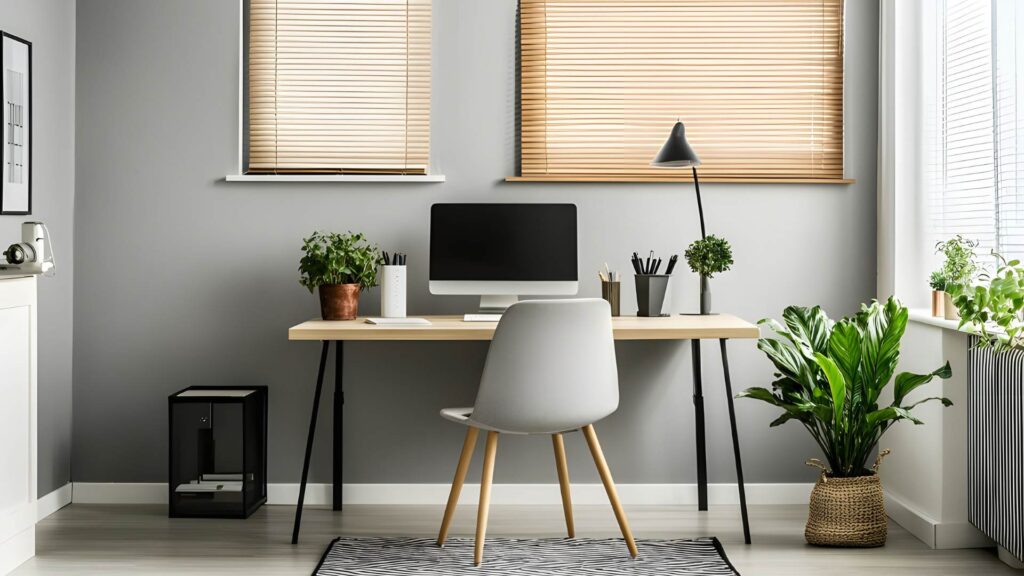

A cluttered desk rarely helps anyone get real work done, yet most home offices end up buried under old mail, tangled cords, and supplies nobody remembers buying. Figuring out what to tackle first can stop the whole project before it even starts.
Good home office organization does not require a full weekend or a trip to the container store. It starts with a handful of small, deliberate steps that build real momentum. Whether you are setting up a brand-new home office setup or finally dealing with one that has been a mess for years, knowing where to start makes the difference between a project that sticks and one that fizzles out by Wednesday.
Table of Contents
Why Home Office Organization Matters
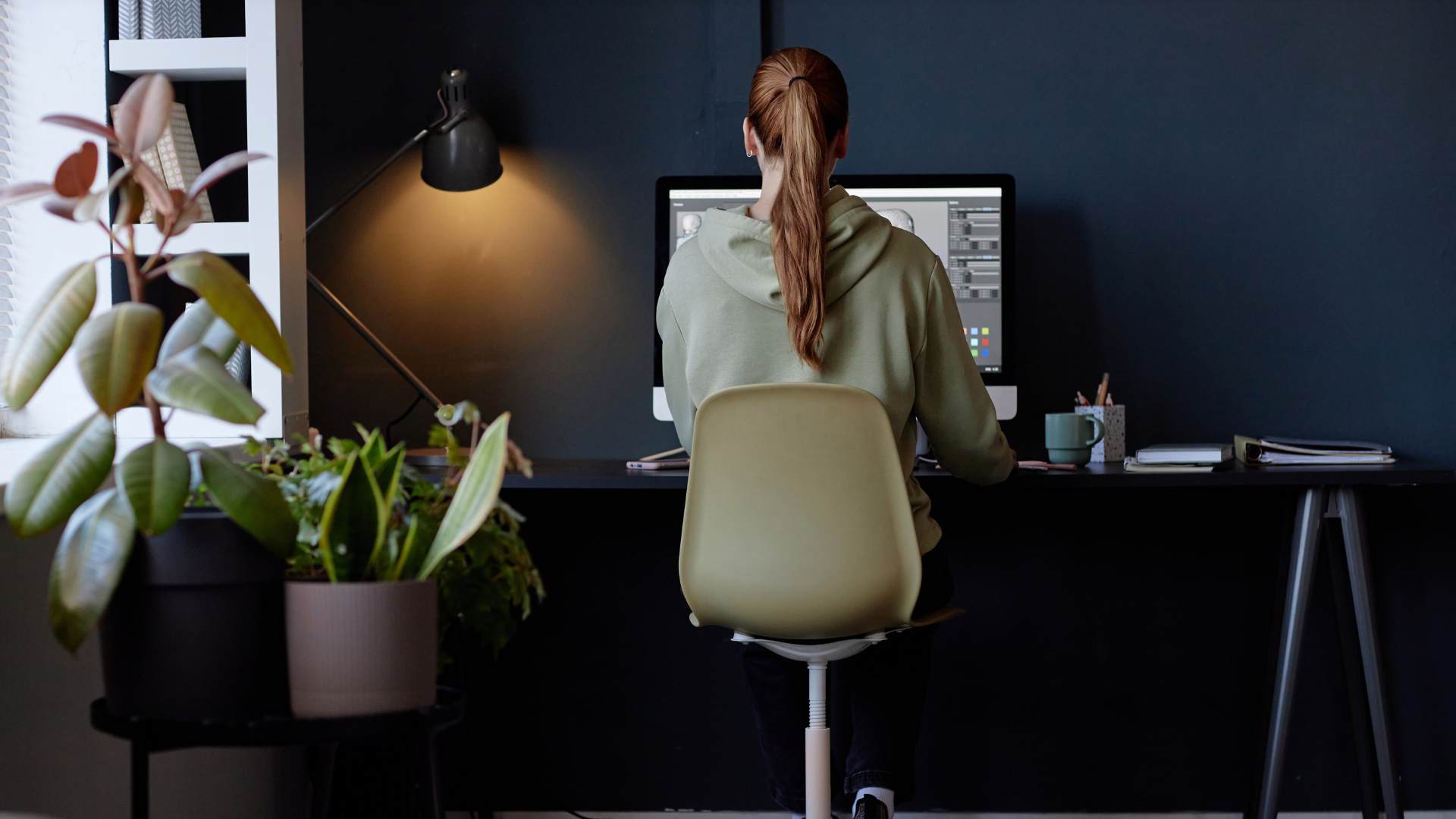
An organized desk does more than look nice for video calls.
Researchers at the Princeton Neuroscience Institute found that multiple objects within your visual field compete for attention in the brain, which limits how well you can focus on a single task.
A cluttered office is not just an aesthetic problem, then, it is a real drag on concentration. Anyone who works from home for even a few hours a day notices the difference fast. Better home office organization means fewer distractions competing for your attention and more mental space actually available for the work itself, plain and simple.
What Should You Organize First?
1. Clear Your Desk Surface
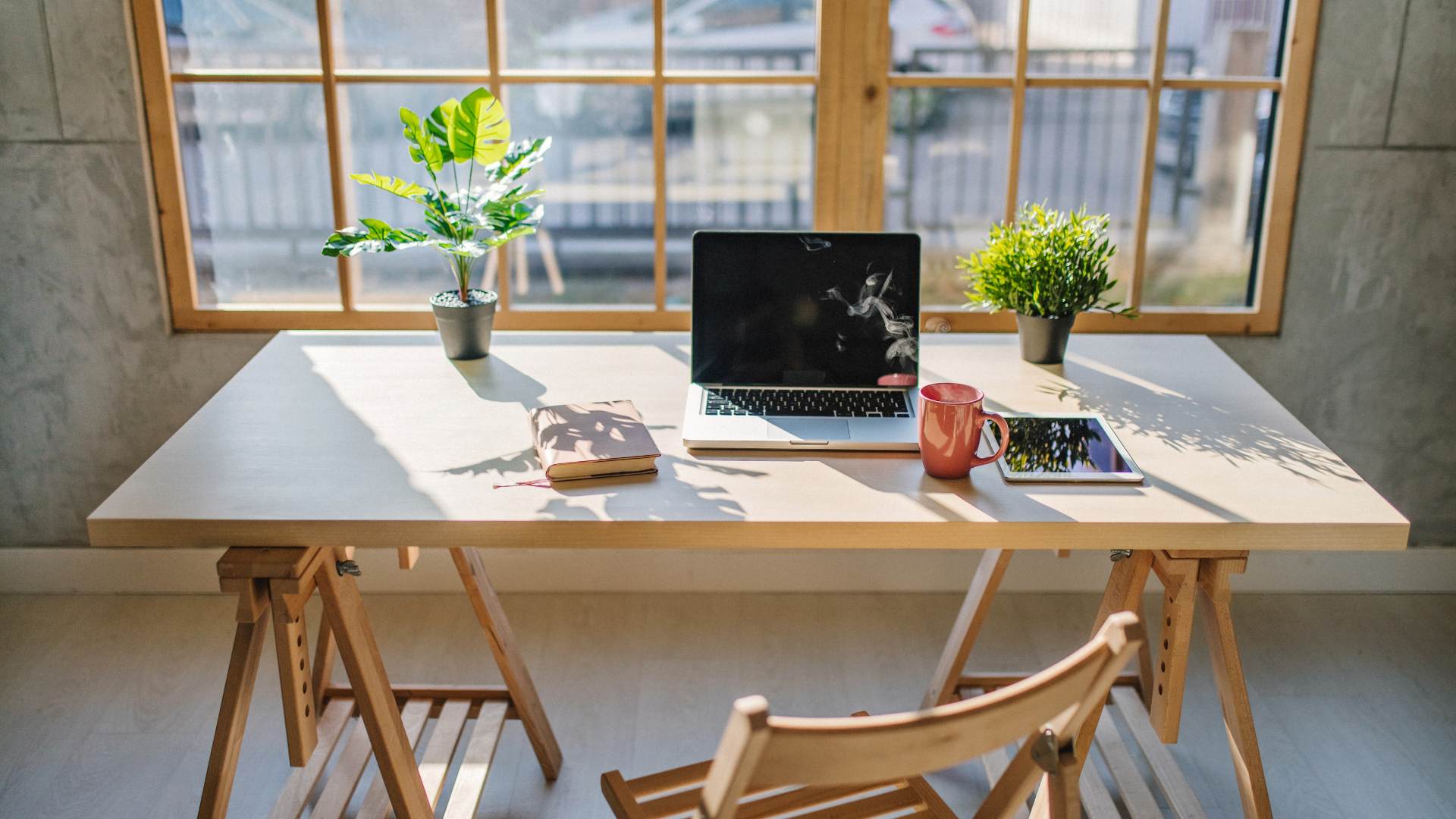
Start here before anywhere else. A cleared desk gives you an actual sense of progress right away, and simple desk organization habits like this set the tone for everything that follows. Pull everything off the surface, then only put back what you use daily. This is often the fastest way to organize home office space that feels overwhelming.
- Remove unnecessary items
- Keep only daily essentials
2. Sort Paperwork
Paper piles up fast, and most of it does not need to stay. Create three simple piles, keep, shred, and file, and work through everything in one sitting rather than letting it drag out over weeks. Sorting through it properly is one of the fastest ways to organize home office clutter that has built up for months. Digitize anything you might need later instead of holding onto the physical copy.
- Create Keep, Shred, and File piles
- Digitize important documents
3. Organize Cables and Chargers
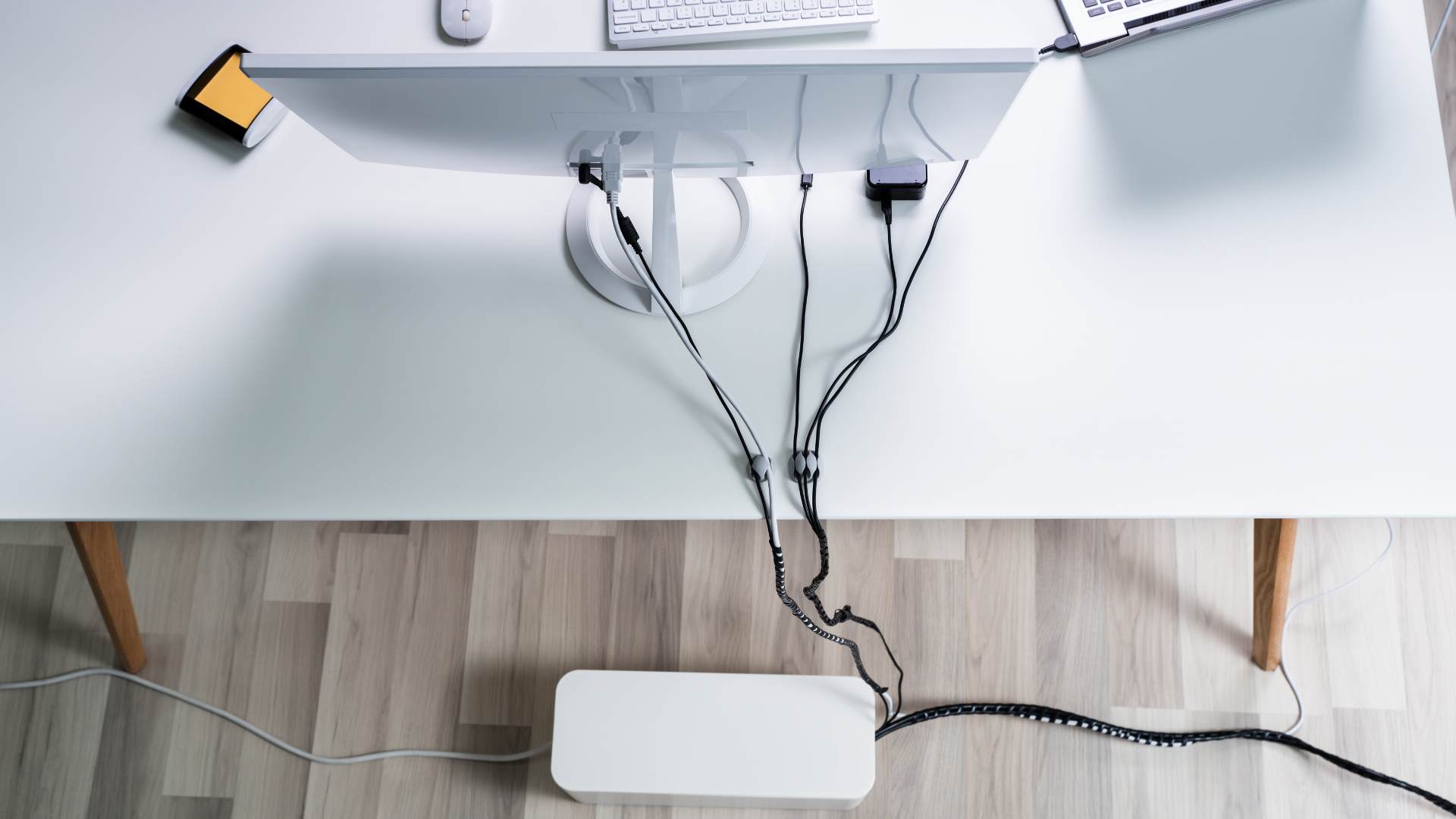
Tangled cords behind a desk look chaotic and make troubleshooting a real headache when something stops working. Label each cord at both ends so you know what plugs into what, and use a cable organizer or simple binder clips to keep everything bundled and off the floor. It is a small fix that makes a surprisingly big visual difference.
- Label cords
- Use cable organizers
4. Declutter Office Supplies
Most home offices end up with five pairs of scissors and a dozen dried out pens nobody bothers to throw away. Go through every supply, toss duplicates, and keep only what you actually reach for. Store the items you use most within arm’s reach, and box up the rest as part of a simple office storage strategy. Office essentials should be the only things living on your desk.
- Remove duplicates
- Store frequently used items within reach
5. Clean Out Drawers
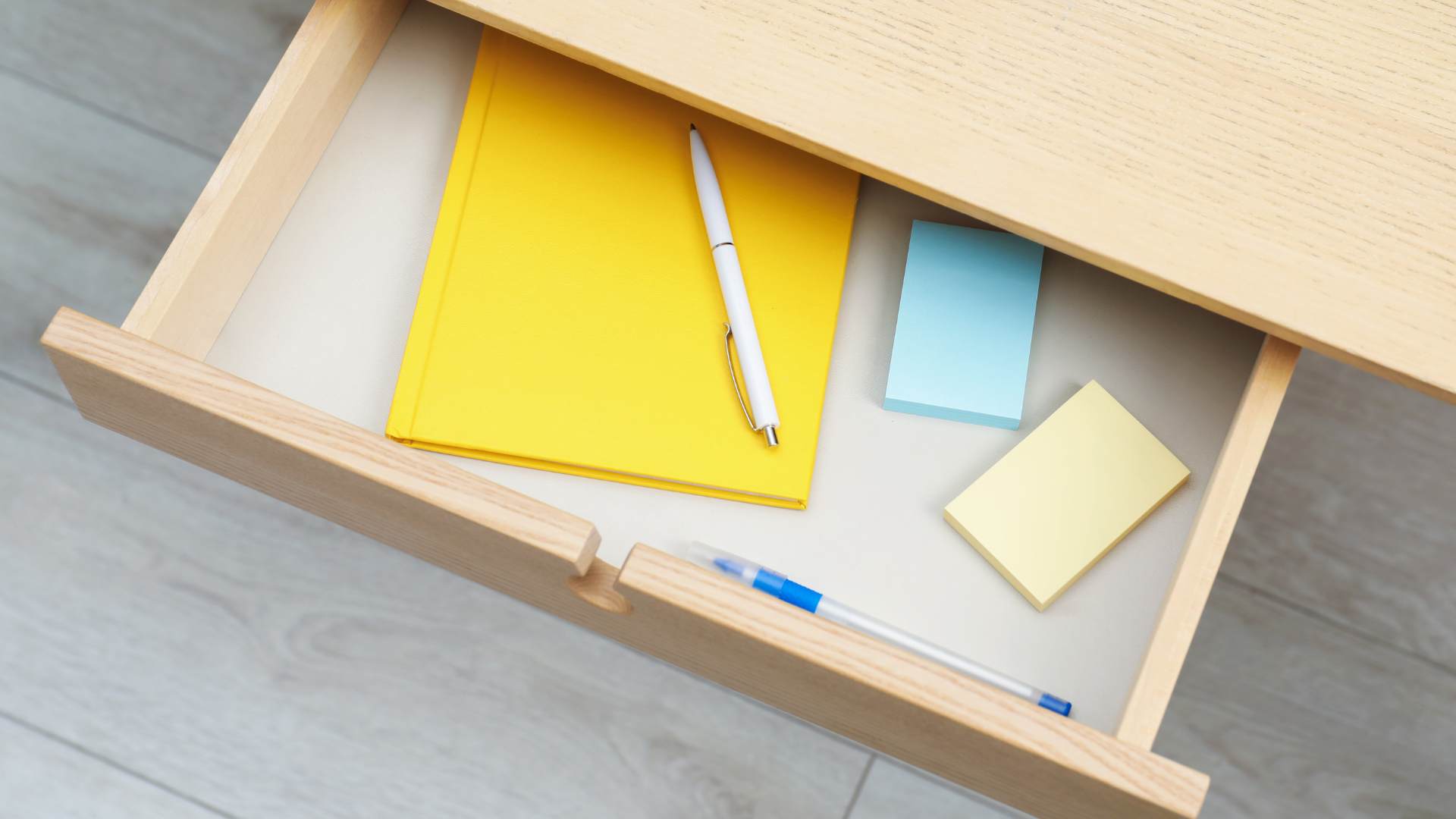
Drawers become a dumping ground fast if you are not careful. Pull everything out, group similar items together, and add drawer dividers to keep things from sliding back into chaos within a week. Home office storage works best when every item has one clear spot it belongs to, not just wherever it happened to land.
- Group similar items
- Use drawer dividers
6. Organize Digital Files
A messy desk is not the only kind of clutter working against you. Delete old files you no longer need, build a folder structure that actually makes sense to you, and back up anything important to a second location. Digital clutter drags on focus almost as much as physical mess does, even if it is easier to ignore.
- Delete old files
- Create clear folder structures
- Back up important documents
7. Optimize Your Workspace Layout
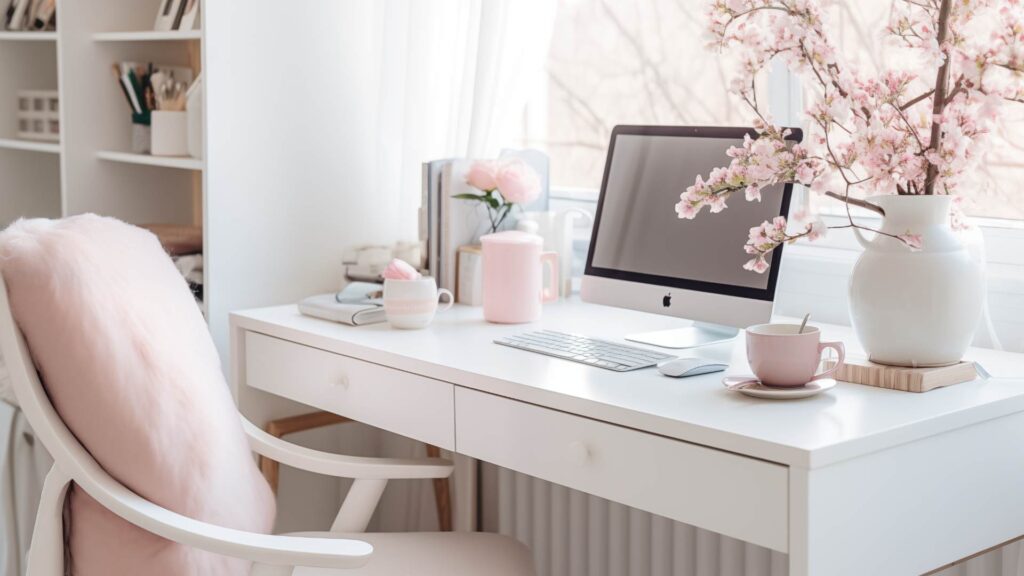
Once the surface is clear and supplies are sorted, look at how your whole space is arranged. Position your monitor at eye level to avoid neck strain, improve lighting near your desk so you are not squinting by afternoon, and keep frequently used tools (like noise-cancelling headphones, stress relief toys if you do use them)within reach rather than across the room. A well planned home office setup makes daily tasks faster without you even noticing, and that is really the definition of a productive workspace. Small adjustments like these turn an ordinary office setup into one that actually supports how you work.
- Position your monitor correctly
- Improve lighting
- Keep frequently used tools nearby
Home Office Organization Tips That Last
These small habits are what keep home office organization intact long after the initial cleanup. That is the real goal behind any list of home office tips, habits that stick rather than a one time fix.
- Follow the One Minute Rule: If a task takes less than a minute, handle it right then instead of letting it pile up. This alone can keep you from needing a full declutter workspace session every few months.
- Schedule Weekly Desk Resets: Spend five minutes every Friday clearing off anything that crept back onto the surface during the week.
- Use Vertical Storage: Shelves and wall organizers free up desk space without taking over the room, a simple desk organization win that does wonders for workspace productivity over time.
- Keep a Donation or Recycling Box Nearby: Make it easy to get rid of things the moment you notice you do not need them, which keeps you moving toward a minimalist office instead of piling more on top of it.
Frequently Asked Questions (FAQs)
How do I organize a small home office?
Small spaces benefit most from vertical storage and a strict one item, one place rule. Wall shelves, under desk bins, and a minimalist workspace approach help you organize home office corners even in the tightest remote work setup.
How often should I declutter my workspace?
A quick five minute reset weekly keeps things from piling up, with a deeper clean out every few months to catch what slips through.
What are the essentials for an organized home office?
A cleared desk, labeled cords, a working file system, and a few office organization ideas tailored to how you actually work cover most of it. Nothing fancy required, honestly.
Wrapping Up…
Getting a home office organization project right does not require doing everything at once. Clear the desk first, sort paperwork next, and work through the rest at whatever pace makes sense for your week. Whether this is a brand new home office setup or a years old desk finally getting attention, a little consistency turns a cluttered corner into a space that actually works for you, day after day.