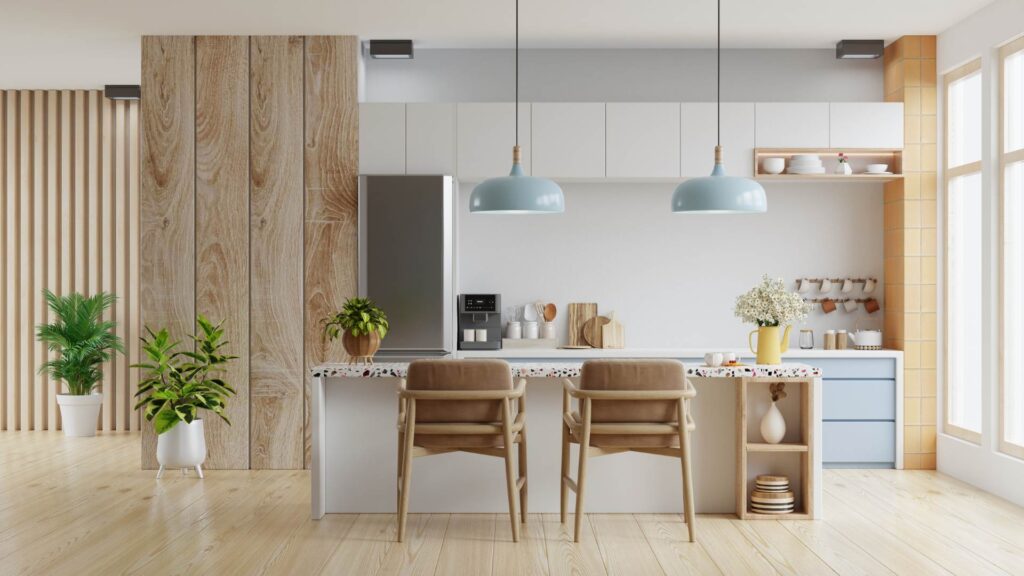

The kitchen tends to absorb more chaos than any other room in the house. Mail piles up on the counter, mismatched containers crowd the shelves, and before long the space that should feel like the heart of the home starts to feel like just another thing to manage.
Slow living kitchen ideas offer a genuine way out of that cycle, not through a total renovation, but through smaller, intentional shifts in how the space looks and functions.
Read on to figure out twelve practical changes that bring warmth, calm, and real usability back into your kitchen, along with why this approach genuinely benefits daily life, not just the way your kitchen photographs.
Table of Contents
What Is a Slow Living Kitchen?
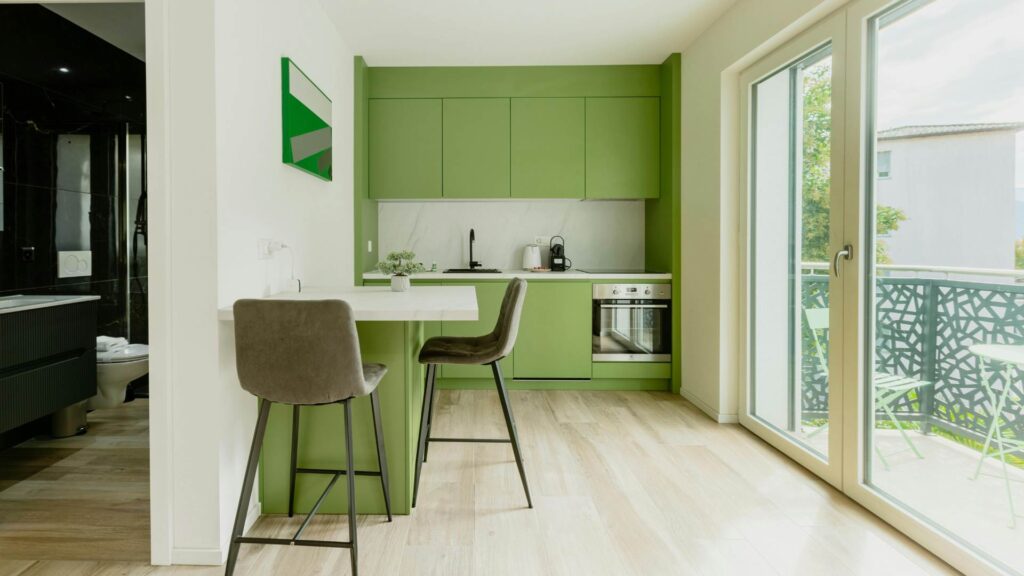
A slow living kitchen is built around intention. It prioritizes fewer, better tools over a drawer full of gadgets you rarely use, and it makes room for daily rituals, morning coffee, evening meal prep, over rushing through them. The goal is not perfection or minimalism for its own sake. It is a kitchen that feels calm to walk into, supports how you actually cook and gather, and reflects a genuinely mindful living approach to your daily routine.
12 Slow Living Kitchen Ideas You’ll Love
1. Declutter Your Countertops
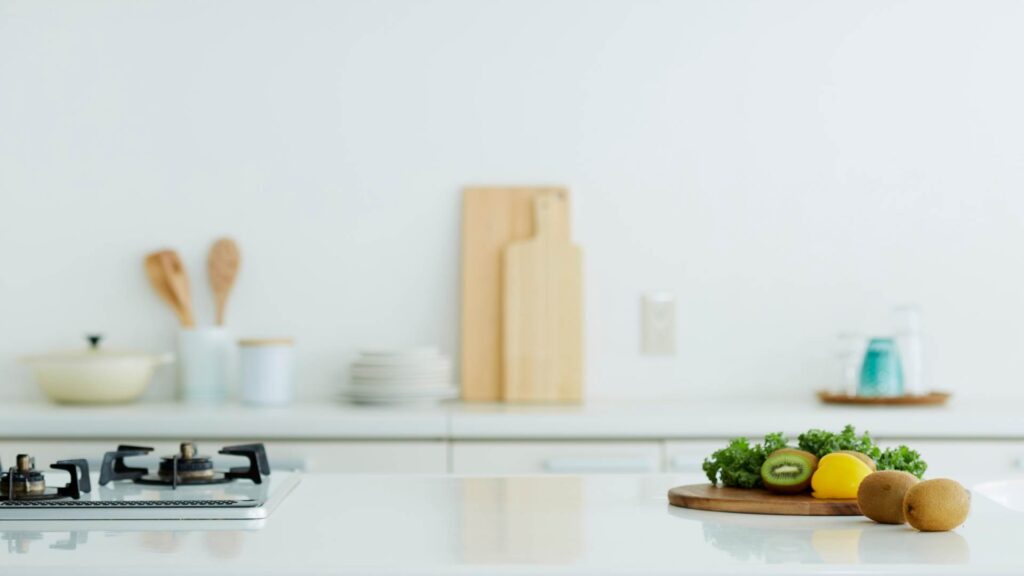
Clear counters are the fastest way to make any kitchen feel calmer. Keep only what you use daily within reach, and find a home for everything else. A clutter free kitchen counter genuinely changes how the whole room feels, even before you touch anything else in the space.
2. Choose Natural Materials
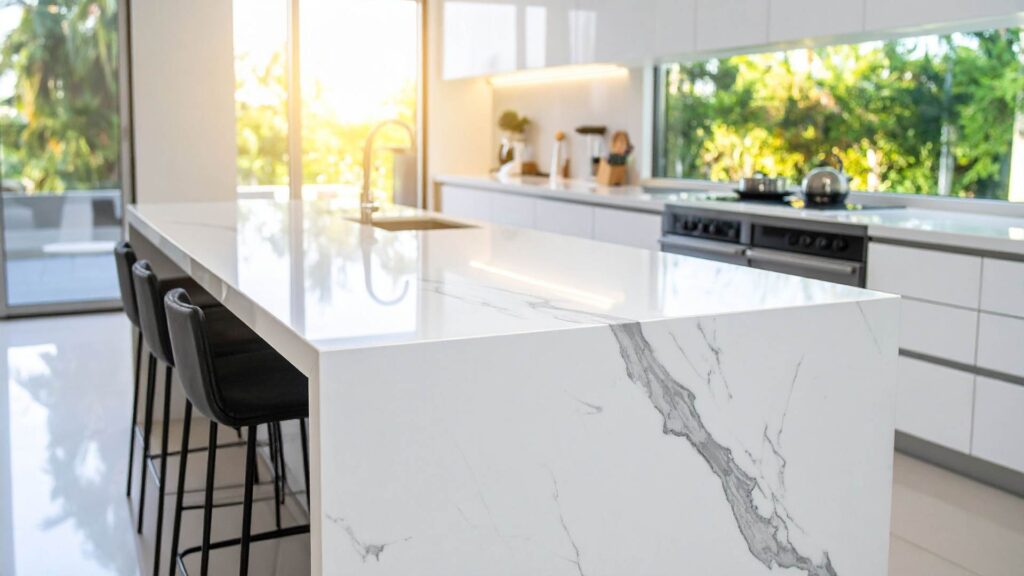
Wood cutting boards, stone countertops, and linen tea towels bring warmth and texture that plastic and synthetic materials simply cannot replicate. These natural materials age beautifully over time, which fits perfectly into the broader philosophy behind slow living kitchen ideas, where longevity matters more than trend driven replacement.
3. Display Everyday Essentials Beautifully
Instead of hiding everything behind cabinet doors, consider displaying your daily essentials with a bit more thought. A ceramic utensil holder, a simple wooden spoon jar, or a set of matching canisters for flour and sugar can double as functional storage and quiet decor at the same time.
4. Add Warm, Soft Lighting
Harsh overhead lighting rarely does a kitchen any favors. Layer in a small pendant light over the sink, a warm toned under cabinet light, or even a simple table lamp on the counter. Warm lighting shifts the entire mood of the room, especially in the evening.
5. Create a Cozy Coffee or Tea Corner
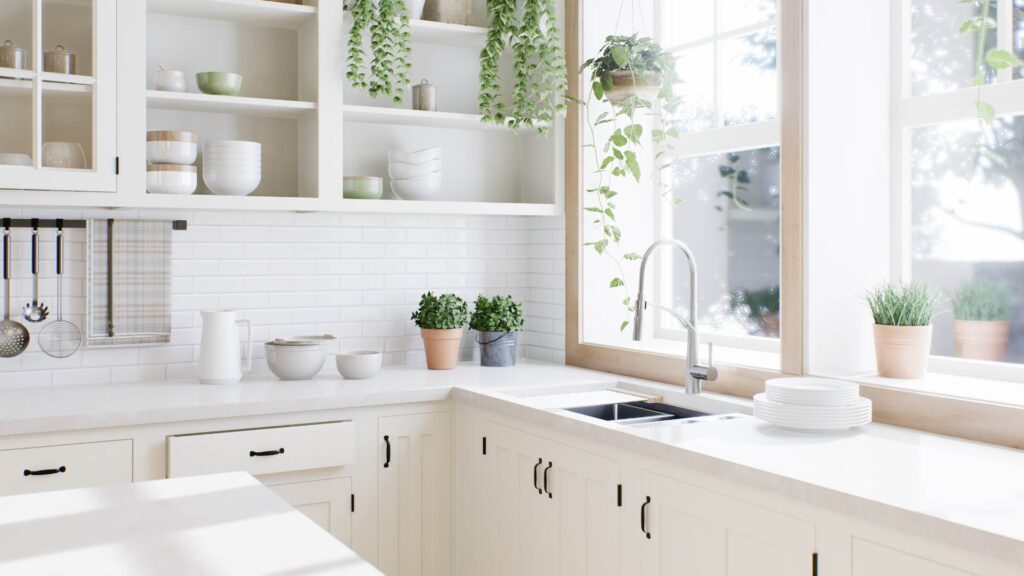
Designating even a small section of counter space for coffee or tea gives your morning routine a sense of ritual rather than rush. A simple tray with your favorite mug, a small canister of coffee, and a kettle can turn a five minute task into something genuinely enjoyable.
6. Bring Nature Indoors
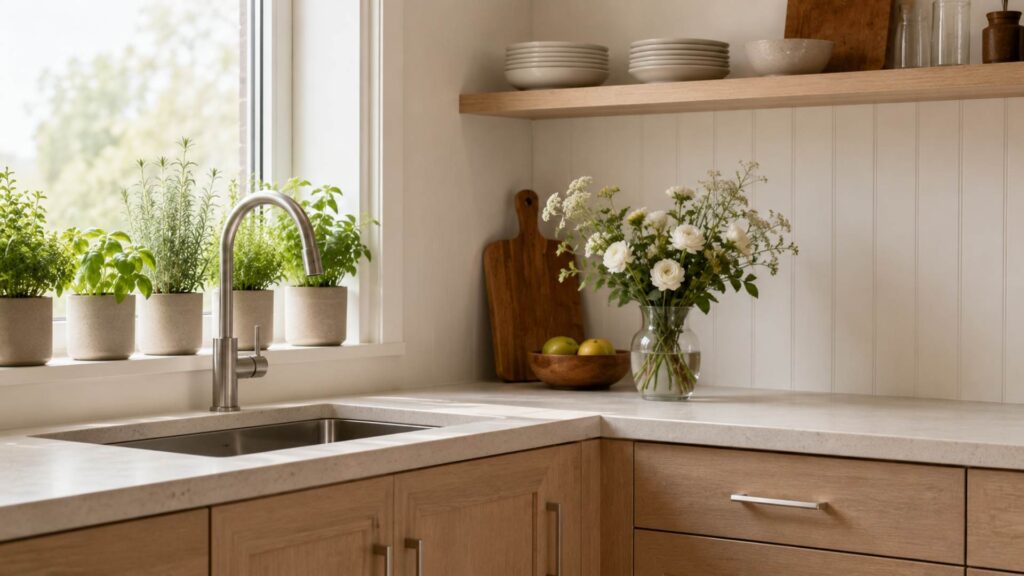
Fresh herbs on a windowsill and seasonal flowers on the table are two of the simplest ways to bring life into a kitchen. Beyond the visual appeal, a small herb garden means fresher meals and less food waste, both of which align naturally with a more sustainable kitchen mindset.
7. Organize Open Shelving Thoughtfully
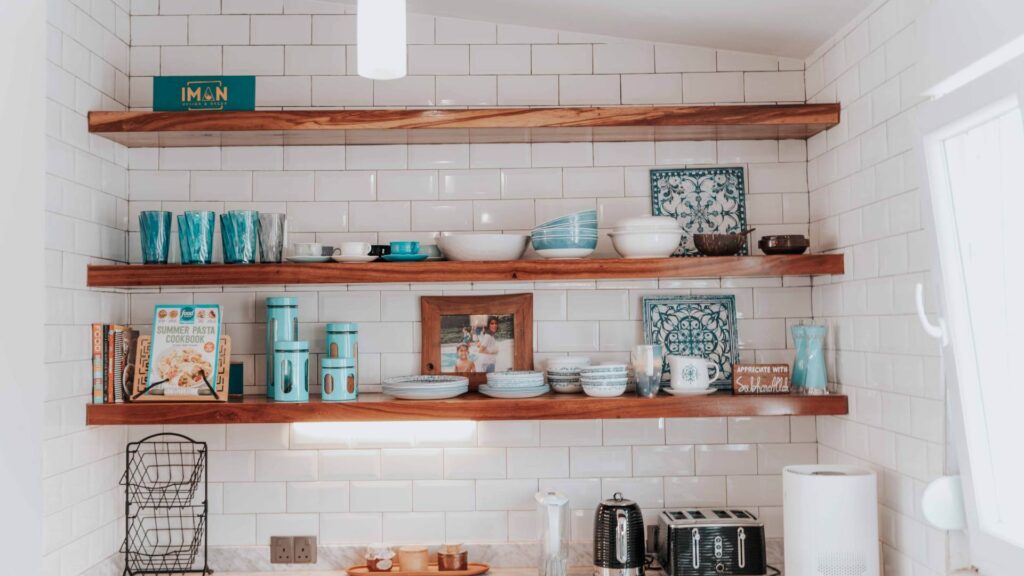
Open shelves can look either beautifully curated or chaotic, depending entirely on what goes on them. Group similar items together, keep labels facing outward, and resist the urge to fill every inch. Thoughtful open shelves are one of the clearest visual signatures of intentional kitchen decor ideas done well.
8. Invest in Quality Kitchen Tools
A slow living kitchen tends to favor fewer, better tools over a drawer full of single use gadgets. One good chef’s knife, a solid cast iron skillet, and a dependable cutting board will outperform an entire cabinet of trendy appliances you use twice a year.
9. Use a Neutral Color Palette
Soft whites, warm creams, and muted earth tones create a backdrop that feels timeless rather than tied to a specific decorating trend. A neutral palette also makes it easier to layer in natural materials and seasonal touches without the space ever feeling visually overwhelming.
10. Keep a Seasonal Fruit Bowl on Display
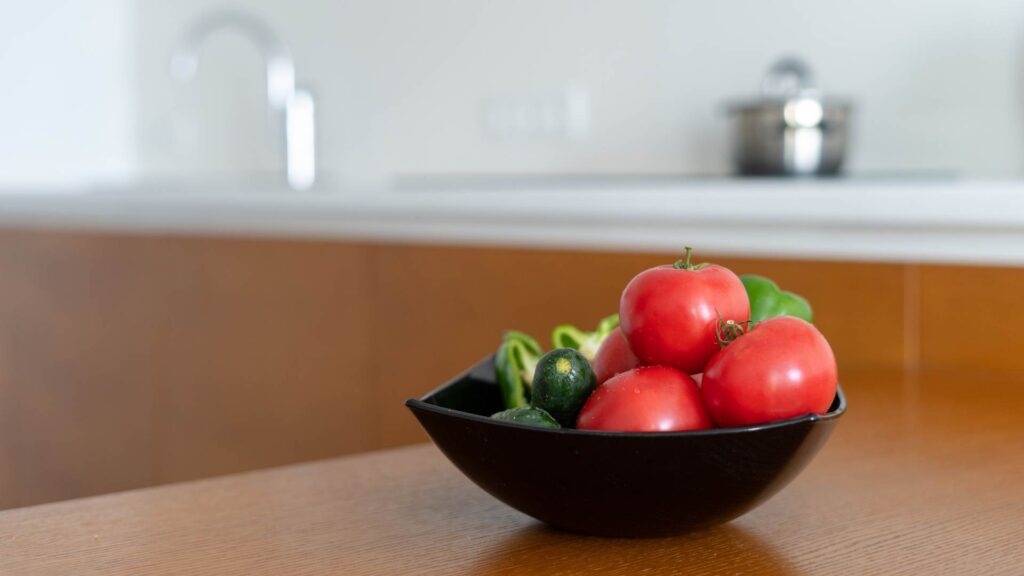
A simple bowl of seasonal fruit on the counter serves two purposes at once. It looks genuinely inviting, and it encourages healthier snacking since the fruit is right there in view rather than buried in the fridge.
11. Add Handmade or Vintage Touches
A hand thrown ceramic bowl, a vintage cutting board passed down from a relative, or a set of mismatched but meaningful mugs all add character that mass produced decor cannot replicate. These small, personal touches are often what separates a house that looks nice from a home that actually feels like yours.
12. Design a Kitchen That Encourages Slower Meals
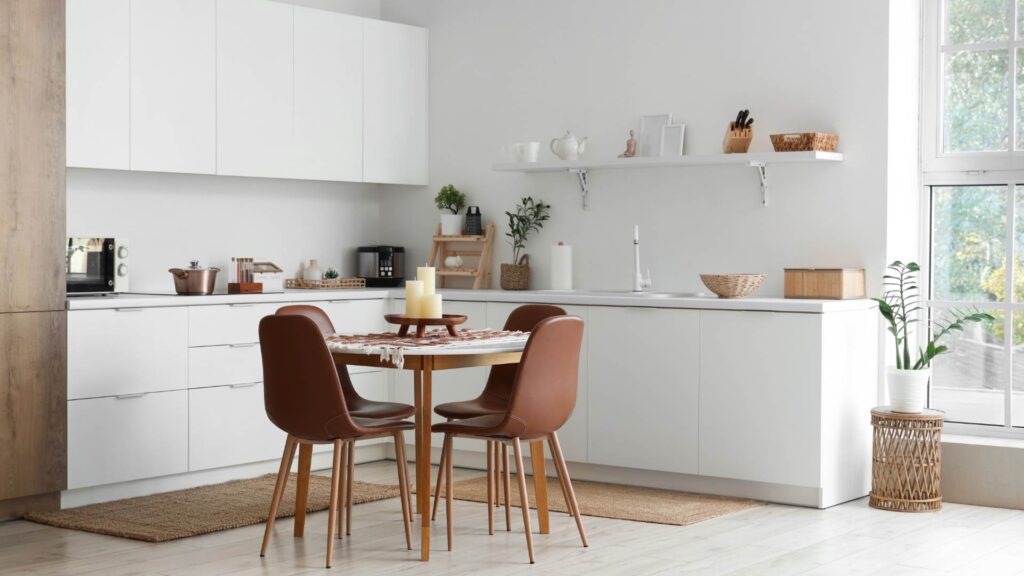
Consider a small kitchen table or a cozy nook where meals can happen without a screen in sight. This single shift, prioritizing a physical space for eating together, has real backing.
Research published in the Journal of the Academy of Nutrition and Dietetics found that families who ate meals together regularly, without television or devices present, reported stronger relationships and better overall dietary habits. A kitchen genuinely designed for slower, shared meals supports far more than just aesthetics.
Benefits of a Slow Living Kitchen
- Less visual clutter
- Easier meal preparation
- Reduced stress
- More meaningful family time
- Better organization
Frequently Asked Questions (FAQs)
How do I create a slow living kitchen on a budget?
Start with decluttering, since it costs nothing and makes the biggest immediate difference. From there, thrift stores and secondhand shops are excellent sources for vintage kitchenware and natural material pieces at a fraction of retail prices, which fits the sustainable, intentional spirit of this approach perfectly.
Do I need a large kitchen for slow living?
A large kitchen is not required at all. Some of the coziest, most functional kitchens are actually quite small, since limited space naturally forces more thoughtful decisions about what stays and what goes. Intentional living principles apply just as well to a small galley kitchen as they do to an expansive one.
Which colors work best in a slow living kitchen?
Soft neutrals like warm white, cream, sage, and light terracotta tend to work best. These tones create a calm, grounded feeling and pair naturally with the wood, stone, and linen textures that define this style throughout the rest of the space.
Wrapping Up…
Building a genuinely cozy kitchen does not require a full renovation or a large budget. Small, intentional choices, clearing the counters, choosing natural materials, adding warm light, and creating space for slower meals, add up to something that feels noticeably different day to day. Cozy kitchen ideas rooted in this kind of mindful approach turn an ordinary kitchen into a space you genuinely want to spend time in.