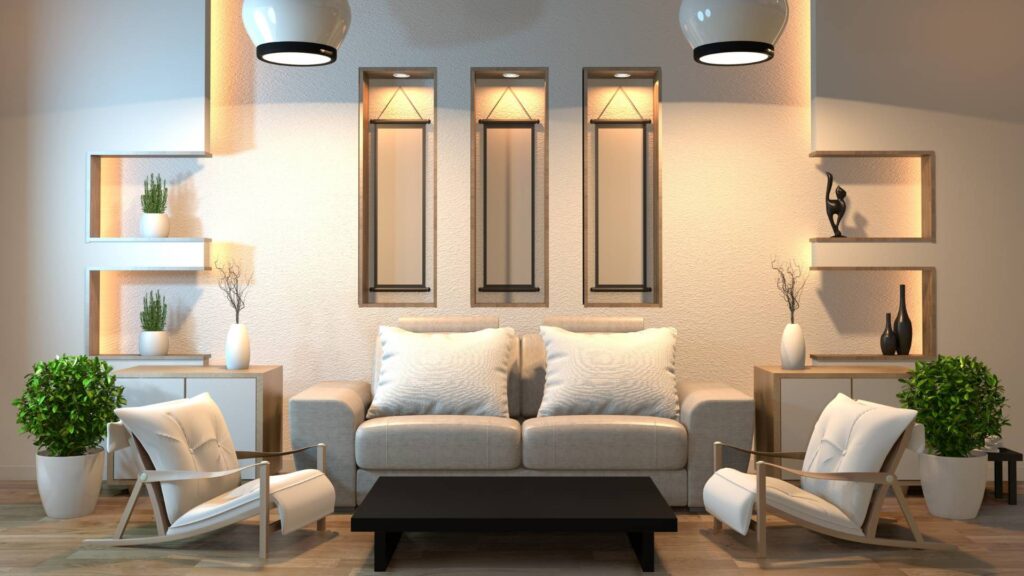

Slow living and minimalism lifestyle often get mentioned in the same breath, and it is easy to see why. Both push back against the same modern default of constant busyness and endless accumulation.
But they are not interchangeable, and understanding the difference actually matters if you are trying to build a life that feels genuinely lighter rather than just aesthetically simple. One is fundamentally about pace.
The other is fundamentally about possession. We’ll break down what each philosophy actually means, where they overlap, and how to figure out which one, or which combination, fits your own life.
Table of Contents
What Is Slow Living?

Slow living is a mindset centered on doing things at a pace that feels sustainable rather than rushed. It grew out of the broader slow movement that began with slow food in Italy in the 1980s, a direct reaction against fast food culture and the speed obsession of modern life.
Applied to daily existence, slow living means being present, savoring ordinary moments, and resisting the pressure to constantly optimize every hour. It is less about how much you own and more about how deliberately you move through your days.
What Is Minimalism?
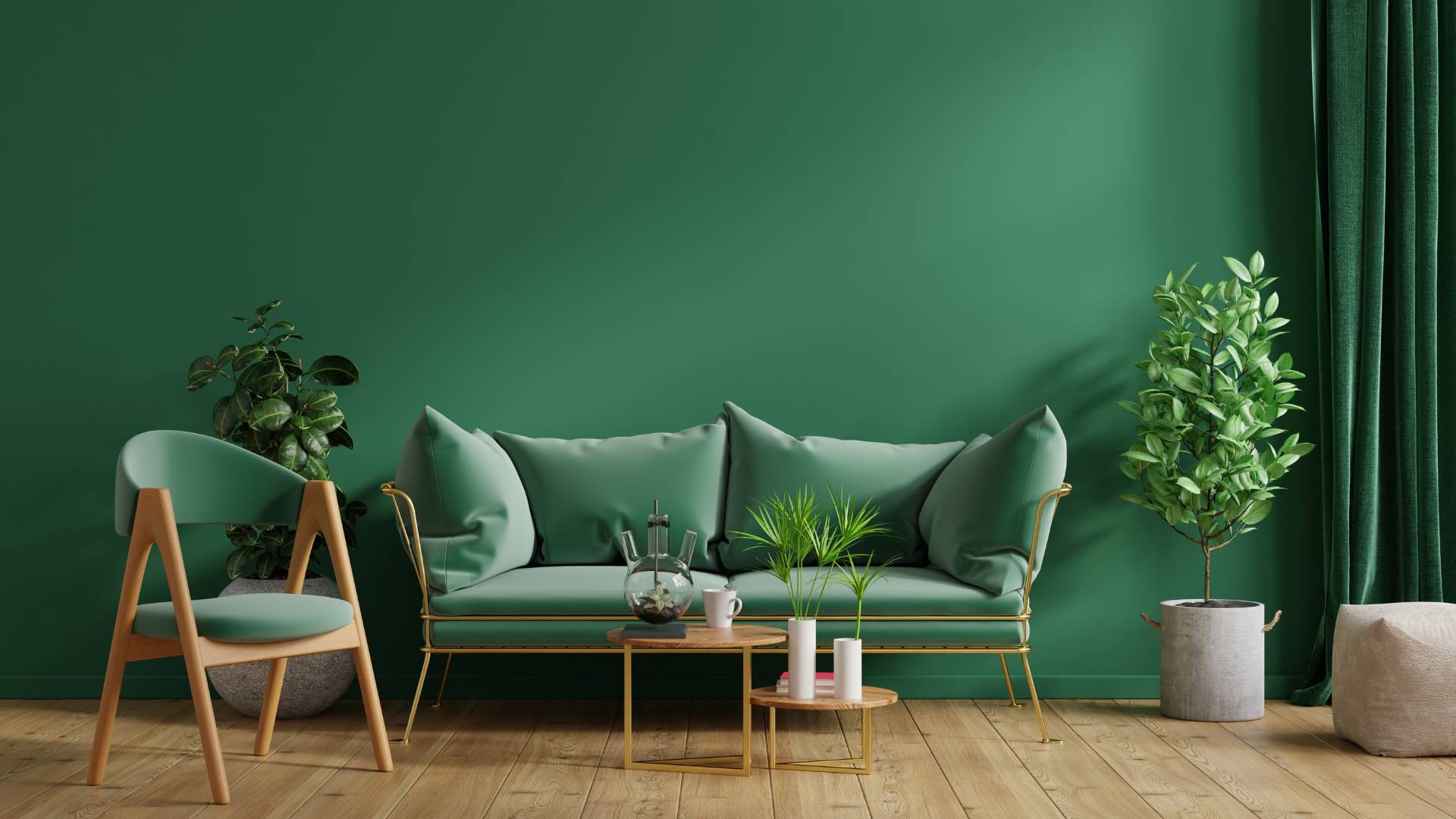
Minimalism lifestyle focuses primarily on possessions and physical space. At its core, it is the practice of owning fewer things so that what remains actually holds value and meaning. A clutter-free home, fewer purchases, and more deliberate spending decisions are the visible markers of this approach.
Minimalism is not about deprivation for its own sake. It is a filtering process, keeping what serves your life and letting go of what does not, so your environment stops competing for your attention.
Slow Living vs Minimalism: Key Differences
Purpose and Mindset
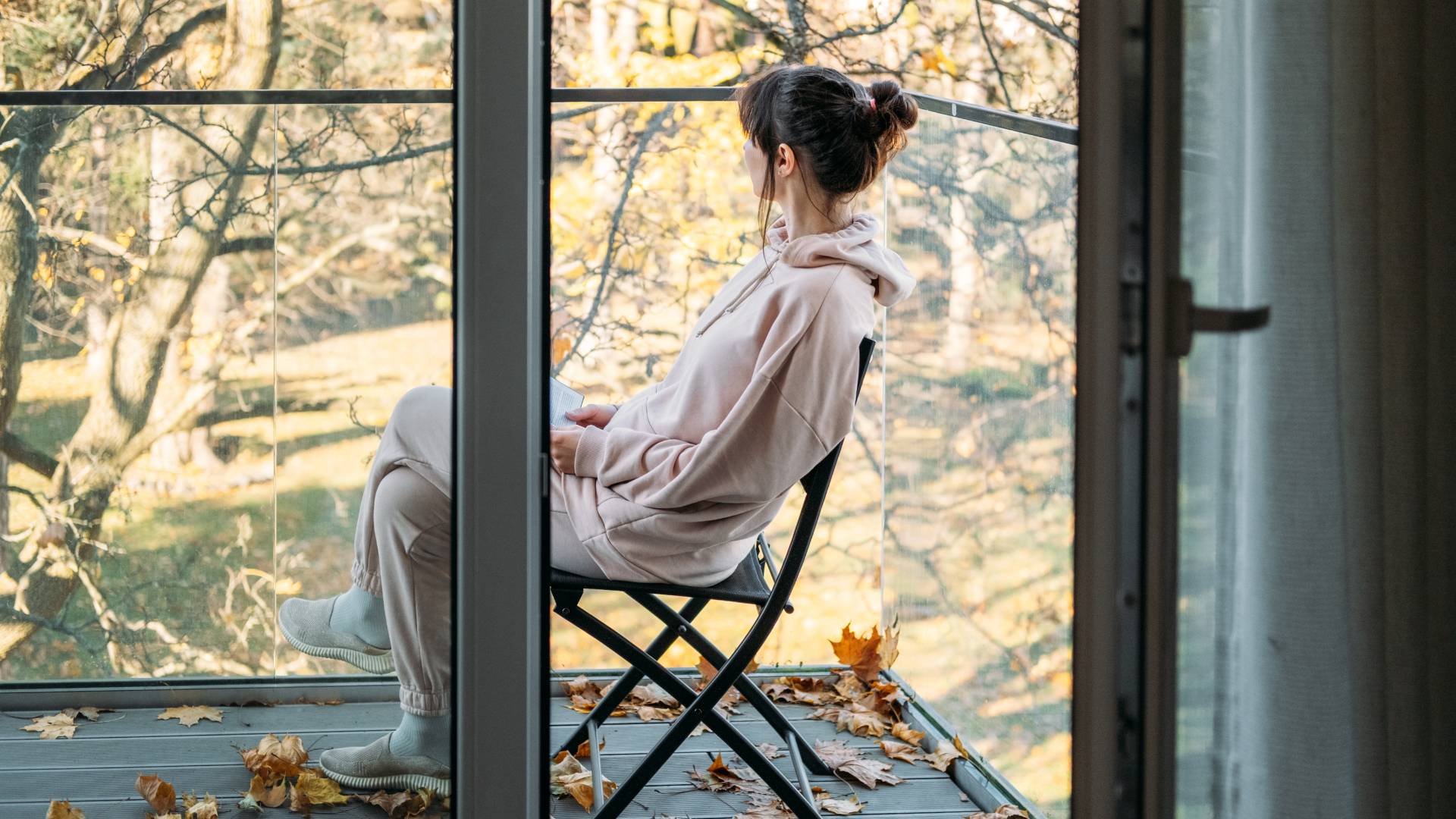
The slow living vs minimalism comparison starts with intent. Slow living is oriented around time and presence. The goal is to feel less rushed and more connected to each moment, whether that is a meal, a conversation, or a quiet morning. Minimalism, by contrast, is oriented around space and ownership. The goal is a physical environment free of excess so your mind has less visual and mental clutter to process.
Daily Habits

Slow living habits tend to involve things like cooking from scratch, walking instead of rushing, unplugging from screens earlier in the evening, and building unhurried routines into the day. Minimalist habits look different. They involve regular decluttering, thoughtful purchasing decisions, and a deliberate resistance to consumer culture.
You can practice slow living in a cluttered home. You can practice minimalism lifestyle principles while still living at a frantic pace. They are separate muscles, even though they often get exercised together.
Relationship with Possessions
This is where the two philosophies diverge most clearly. Minimalism is explicitly about the relationship between you and your belongings, how much you own, why you own it, and what it costs you in money, space, and mental energy. Slow living does not center on possessions at all. A person practicing slow living might own plenty of things, as long as their days feel unhurried and intentional.
Time and Productivity
Slow living directly challenges the idea that productivity should dominate daily life. It values rest, unstructured time, and doing one thing at a time instead of multitasking through everything. Minimalism has a more indirect relationship with time. By owning less, you often spend less time cleaning, organizing, and maintaining things, which frees up hours, but that time savings is a byproduct.
Overall Lifestyle Goals

Ultimately, slow living aims for personal wellbeing through presence and pace. Minimalism lifestyle aims for clarity and freedom through reduced ownership. Both are forms of intentional living, but they target different sources of overwhelm in modern life.
Similarities Between Slow Living and Minimalism
- Intentional decision-making: Both philosophies ask you to pause and choose deliberately rather than default to autopilot.
- Better work-life balance: Both push back against hustle culture and create more room for rest.
- Greater appreciation for what matters most: Whether it is time or possessions being filtered, both approaches sharpen focus on what genuinely adds value.
Which Lifestyle Is Right for You?
If your biggest struggle is feeling rushed, overcommitted, and disconnected from your own days, slow living is likely the better starting point. If your biggest struggle is physical clutter, overspending, or a home that feels chaotic no matter how much you clean, minimalism lifestyle principles will address that more directly. Many people eventually blend both, since a simple life built on fewer possessions naturally creates more room and time for a slower pace.
Research from the University of California, Los Angeles, indicates a link between cluttered home environments and elevated cortisol levels in female residents. This study demonstrates that a high density of household possessions can trigger a chronic biological stress response.
Frequently Asked Questions (FAQs)
Is slow living the same as minimalism?
They overlap but are not identical. Slow living centers on pace and presence, while minimalism centers on possessions and physical space. A person can practice one without the other, though many find that combining both creates the most complete shift in daily life.
Does minimalism mean getting rid of everything?
Minimalism does not require owning almost nothing. It means owning intentionally, keeping items that serve a genuine purpose or bring real value, and removing what does not. The specific quantity of belongings varies enormously from person to person.
How do I start living more intentionally?
Start small. Pick one area, whether that is your morning routine or a single cluttered drawer, and apply either slow living or minimalist principles there first. Small, consistent changes build momentum far more effectively than an overwhelming full lifestyle overhaul attempted all at once.
Wrapping Up…
The slow living vs minimalism debate is not really about choosing sides. Both are tools aimed at the same underlying goal, a life that feels less overwhelming and more your own. Slow living softens your relationship with time. Minimalism lifestyle softens your relationship with things. Used together or separately, both offer a practical, research supported path toward genuine wellbeing and a more clutter free, intentional existence.