

Emotional pain shows up in a lot of forms. Sadness that will not lift. Addictions that quietly take root. Unproductive obsessions that eat up hours of the day. Most people carry some version of this and assume it is just the cost of being alive.
But what helps relieve this distress? What actually helps a person heal emotionally? Those are the right questions, and they do not get asked enough.
Who knows if we are in the middle of a “new depression epidemic” or a “new anxiety epidemic” or whether intense emotional distress has simply been a defining feature of human existence from the very beginning. Either way, the weight is real. And the path forward exists, even when it does not feel like it does.
This is how to start healing emotionally, not with a shortcut, tho with the kind of honest, practical approach that actually holds up.
Table of Contents
Tip #1: Accept Where You Are Right Now
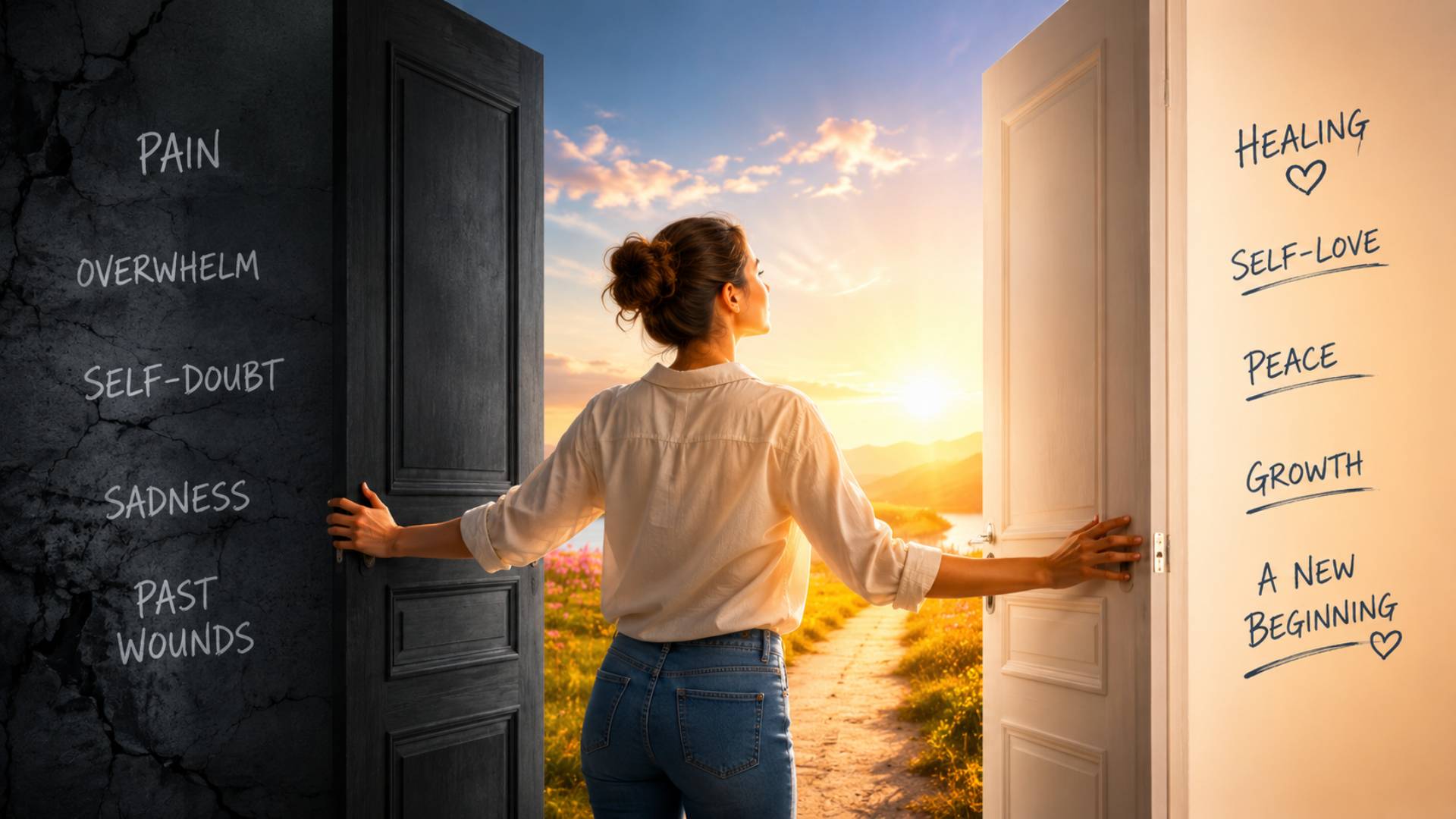
Nothing about the healing process starts until you stop pretending you are fine when you are not. Acceptance is not defeat. It is an act of clarity. When you can look at where you actually are, without dressing it up or talking yourself out of it, you have something real to work with. Most people skip this step because it is uncomfortable. They stay busy, stay distracted, and wonder later why nothing seems to shift. Start here. Acknowledge the state you are in. That alone moves something.
Tip #2: Stop Being Your Own Harshest Critic
The inner voice that tells you that you are too sensitive, too broken, or too far gone. That voice is not truth. It is a habit. And habits can be changed.
Self-compassion is not about lowering the bar or excusing poor choices. It is about treating yourself with the same basic decency you would extend to someone you care about.
Research out of the University of Texas at Austin found that people who practice self-compassion recover from failure and distress more effectively than those who rely on self-criticism. The data is clear. Being hard on yourself is not what makes you stronger. It is what keeps you stuck. Give yourself some room. You are dealing with something real.
Tip #3: Create Space for Your Emotions

Coping with difficult emotions does not mean sitting with them forever. It means giving them somewhere to go instead of just packing them down tighter. Write them out. Say them out loud to someone you trust. Cry if that is what comes. The point is to let the pressure release.
Emotions that get regularly suppressed tend to show up sideways, in irritability, in physical tension, in behaviors that do not make sense until you trace them back to what was never processed. You do not have to perform your pain for anyone. But you do have to let yourself feel it.
Tip #4: Let Go of the Need to Have All the Answers

There is a particular kind of exhaustion that comes from trying to make sense of everything too fast. Why did this happen? What does it mean? What am I supposed to do next?
Here is the truth: some of those answers take time to come. And some of them you will have to build yourself. We tend to relate to meaning as if it were lost, or as if someone else knew more about it than we did. But we can influence meaning. We can even make it. We can stand up or stay quiet.
We can do exactly as much as we can do to improve our circumstances. That is not a small thing. Sit with the uncertainty for now. It will not always feel this loud.
Tip #5: Spend Time With People Who Support Your Healing

The people around you either contribute to your emotional recovery or quietly drain it. Both things are worth paying attention to. This is not about cutting everyone off. It is about being intentional.
During a hard stretch, the relationships that matter most are the ones where you feel safe, not judged. Where you can be honest without managing how someone else reacts to your honesty. Seek those people out. Spend time there. Isolation tends to deepen pain, not resolve it.
Tip #6: Focus on Small Daily Actions

Big transformation does not usually come from one dramatic decision. It comes from small, repeated choices that quietly add up over weeks and months.
Positive habits built during difficult periods carry more weight than people expect. A ten-minute walk (could be along the coast). A consistent bedtime. One conversation a day where you are genuinely present. These things sound unremarkable, but they build a kind of structure that your nervous system starts to rely on.
Emotional balance does not come from fixing everything at once. It comes from giving your days a shape that supports stability.
Tip #7: Learn From the Pain Without Living in It

Pain has information in it. That is worth acknowledging. A loss tells you what mattered. A pattern of the same mistake tells you something about what still needs attention. Emotional growth almost always has some friction at the root of it.
But there is a difference between learning from pain and making a permanent residence out of it. Replaying the same wound over and over does not produce insight after a certain point. It just keeps the nervous system in a state of threat. Extract what is useful. Then give yourself permission to move.
Tip #8: Reconnect With Things That Bring You Joy

When you are deep in a hard season, joy can start to feel either inaccessible or undeserved. Neither of those feelings is accurate, but both of them are common.
Start small. What did you used to do that felt genuinely good? Not productive, not impressive — just good. A walk somewhere you like. A meal you actually enjoy. Music that shifts something in you.
These are not luxuries. They are part of what keeps the rest of the work sustainable. Your self-healing journey should include something that feels worth protecting. Otherwise, what exactly are you healing toward?
Tip #9: Take Better Care of Your Mind and Body
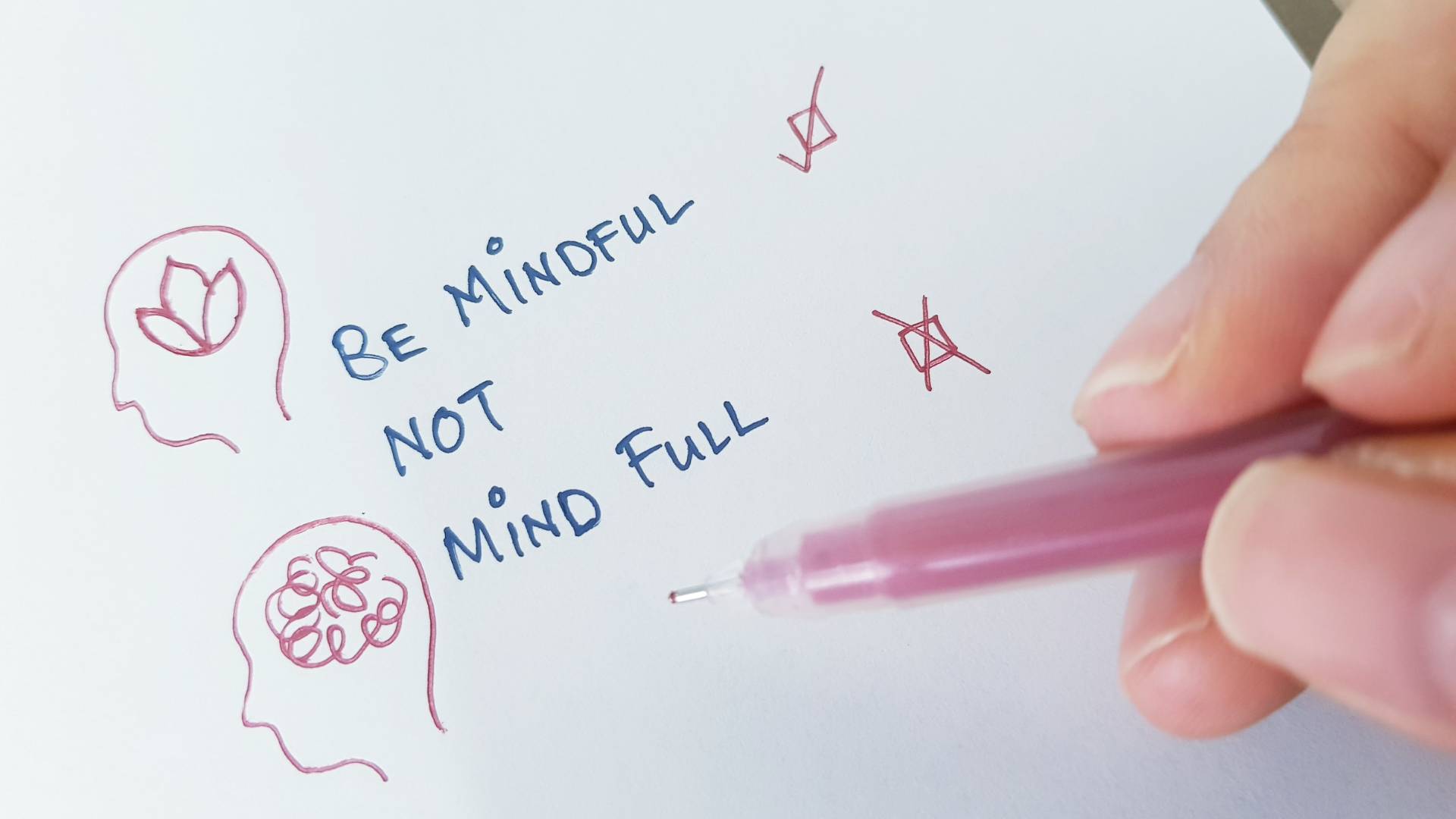
Mental and emotional health and physical health are not separate categories, even though we treat them that way. Sleep deprivation amplifies emotional reactivity. Poor nutrition keeps the stress response running hot. Lack of movement stalls the processing that the brain needs to do.
A healthy mindset is harder to hold onto when the body is running on fumes. This is not about building a perfect wellness routine. It is about giving yourself a baseline that makes everything else less of an uphill climb.
Drink water. Sleep. Move your body in whatever way you can manage right now. These are not small things. They are the floor everything else stands on.
Tip #10: Be Patient With Your Healing Journey
There is no standard timeline for emotional healing. Some people start to find their footing in a few months. Others are still untangling things years later, and both of those experiences are legitimate.
What derails a lot of people is the comparison — the sense that they should be further along by now, that someone else would have recovered faster, that something must be wrong with them for still feeling this.
Personal healing is not a race. Progress is not always visible from the inside. Some of the most significant shifts happen quietly, in ways you only recognize when you look back. Keep going. That is the whole job.
When It May Be Time to Seek Professional Support

Some of what you are carrying is too heavy to sort through alone, and that is not a character flaw. That is just reality. If emotional pain is interfering with your ability to function day to day, if it has been going on for an extended period, or if it is pushing you toward behaviors that are making things worse — reaching out to a therapist, counselor, or psychiatrist is not a last resort. It is a practical decision.
A 2021 review published in JAMA Psychiatry confirmed that psychotherapy produces meaningful, lasting improvements in emotional wellness across a wide range of conditions. The support works. The barrier is usually not availability. It is the story people tell themselves about whether they deserve it or whether they are “bad enough” to qualify. You do not need to be at rock bottom to ask for help.
Wrapping Up…
The path to heal emotionally is rarely clean or fast. It asks for honesty about where you are, patience with how long it takes, and the willingness to keep showing up for yourself even when that feels like the hardest thing on the list.
What will make all the difference is if you can find that internal switch, the one that controls how you carry anxiety, old pain, and the stories you have told yourself for years, and decide that you would rather live differently. Flip it. Not all at once, but deliberately.
You can locate that inner peace. You have more influence over this than you have been told. The emotional healing tips in this piece are not magic. But they are real. And if you take even a few of them seriously, you will start to notice the difference. Heal emotionally, not because someone told you to, but because you have decided it is time.