
You’ve probably wondered why one video takes off while another, made with the same amount of effort, just sits there with barely any views. It happens to almost every creator eventually. The answer nearly always traces back to YouTube ranking factors, the specific signals the platform uses to decide which videos get pushed in front of viewers and how often.
If you’re chasing real YouTube channel growth, understanding these signals stops being optional pretty quickly. This piece walks through how the algorithm actually functions, the ten factors that matter most right now, solid YouTube SEO practices you can start using today, and the tools that make this whole process manageable instead of exhausting.
Table of Contents
How Does the YouTube Algorithm Work?
Here’s something a lot of creators miss. YouTube doesn’t run on one single algorithm. It runs several different systems side by side, each tuned for a different corner of the platform.
- Search Results: Type something into the search bar, and YouTube pulls videos based on keyword match, watch time history, and how well similar videos have satisfied that same query before.
- Home Page Recommendations: This feed leans heavily on a viewer’s own watch history and session behavior, plus what people with similar tastes have already watched.
- Suggested Videos: These show up beside or after a video ends, and they’re driven by topic overlap and whether a viewer is likely to stick around for more of your specific content.
- Shorts Feed: Fast moving, and honestly less forgiving. YouTube Shorts gives you immediate engagement and rewatch behavior get weighted much harder here than in longer form recommendations.
Every one of these systems is pulling from the same underlying pool of YouTube ranking factors. They just weigh them differently depending on where a viewer is and what they’re actually trying to do in that moment.
Top 10 YouTube Ranking Factors
1. High Click-Through Rate (CTR)
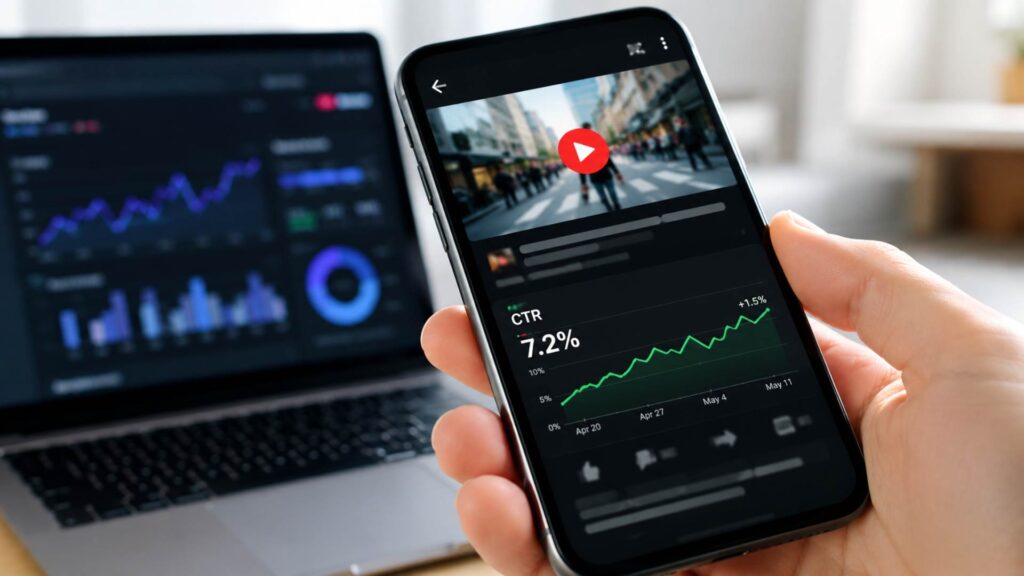
Click through rate is simply how many people click your video after they see the thumbnail and title, and it’s one of the most heavily weighted YouTube ranking factors in the whole system. YouTube tracks every impression, meaning every time your thumbnail appears anywhere on the platform, and stacks that number against how many people actually clicked. A strong click rate tells YouTube your packaging is doing its job, and that alone can be enough to earn wider distribution fast.
Most channels that are doing well sit somewhere between 4 and 10 percent CTR, though this swings a lot depending on niche and video length. What actually moves this number is a thumbnail that genuinely grabs attention paired with a title that builds real curiosity without stretching the truth. Clickbait can spike your CTR for a video or two, but retention collapses right after, and YouTube picks up on that pattern faster than most people expect.
Testing matters more here than creators tend to give it credit for. Swap out a thumbnail on the exact same video and you’ll often see wildly different results, sometimes just from color contrast or a change in facial expression. Bright colors that pop against YouTube’s interface tend to win over muted ones. A face showing real emotion beats a static, posed shot almost every time.
Title structure counts too. Numbers, specific outcomes, and direct questions all of these tend to beat vague phrasing. “I Tried This For 30 Days” pulls better than something generic like “My Experience” because it sets a clear expectation before anyone clicks. And when viewers click and feel let down, they bounce within seconds, which does more damage to a video’s standing than a mediocre CTR ever would.
2. Watch Time
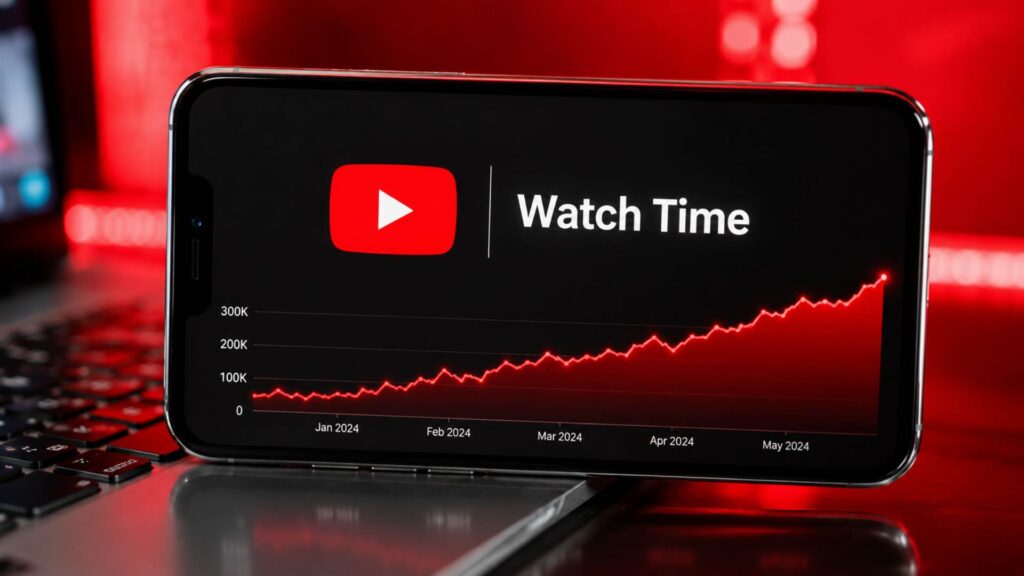
Total minutes watched across your channel is still one of the strongest overall YouTube ranking factors, mostly because YouTube’s whole business depends on people staying on the platform longer. Videos that consistently rack up watch time get pushed to more viewers, simply because that behavior lines up directly with what benefits YouTube.
Longer isn’t automatically better here, and this trips people up constantly. A ten minute video watched all the way through generates more session time than a thirty minute video someone bails on at the four minute mark. Match your length to how much genuine value you’re actually delivering. Don’t pad it out just to hit a number.
3. Audience Retention
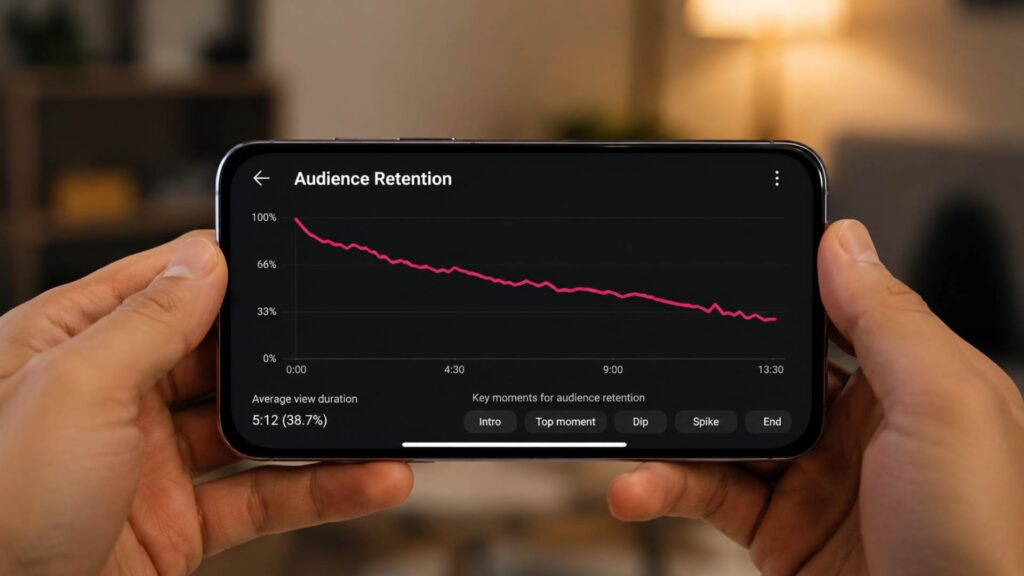
Retention is the percentage of a video people stick around for before clicking away. Hold viewers through 60 or 70 percent of the runtime and you’re telling YouTube your content delivers on what it promised. A strong hook in the first 15 seconds, tight pacing, and cutting the dead air out all move this number in the right direction.
Go look at your retention graph in YouTube Studio sometime. Sharp drops at specific timestamps almost always point to something fixable, a slow intro, a clunky transition, a section that just didn’t land. Fix those spots in future videos and it compounds fast.
4. Video Engagement
Likes, comments, shares, saves, all of it feeds into how YouTube reads a video’s performance. Engagement signals that people cared enough to actually react, and videos that spark real conversation in the comments tend to get an extra nudge in recommendations.
A direct question near the end of a video, one that genuinely invites a real answer instead of a generic call to action, tends to move comment activity noticeably. Replying to early comments in that first hour after publishing also sends a signal YouTube’s system seems to notice.
5. Keyword Optimization
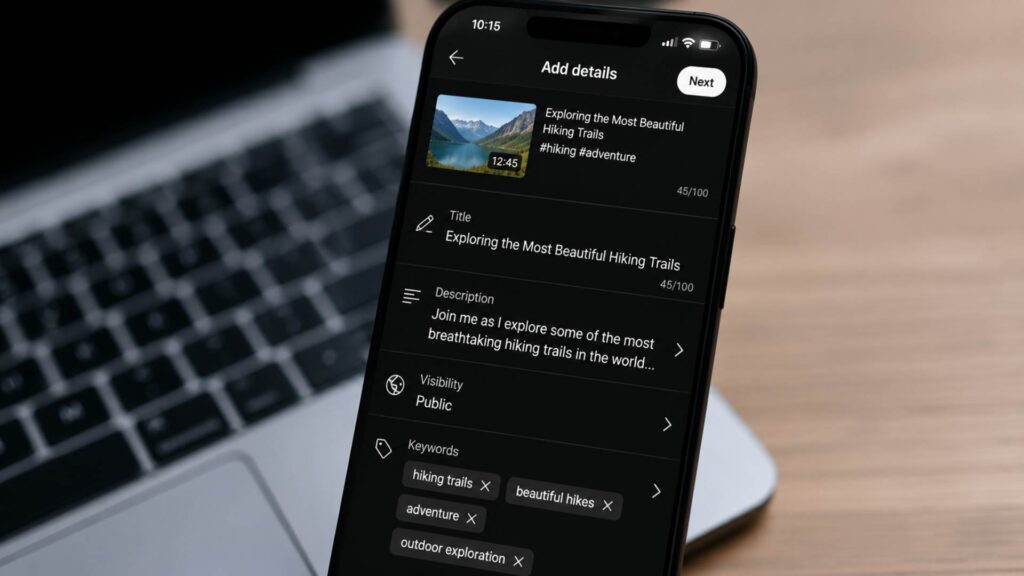
Matching your title, description, and tags to what people are actually typing into the search bar is one of the foundational pieces of YouTube SEO. The right keywords help YouTube understand exactly what your video covers, which improves your odds of surfacing in both search and suggested feeds.
Don’t stuff keywords into a title just to check a box. Search intent beats keyword density every time, and a title that reads naturally while still containing your target phrase will outperform one that reads like a pile of tags.
6. Thumbnail Quality
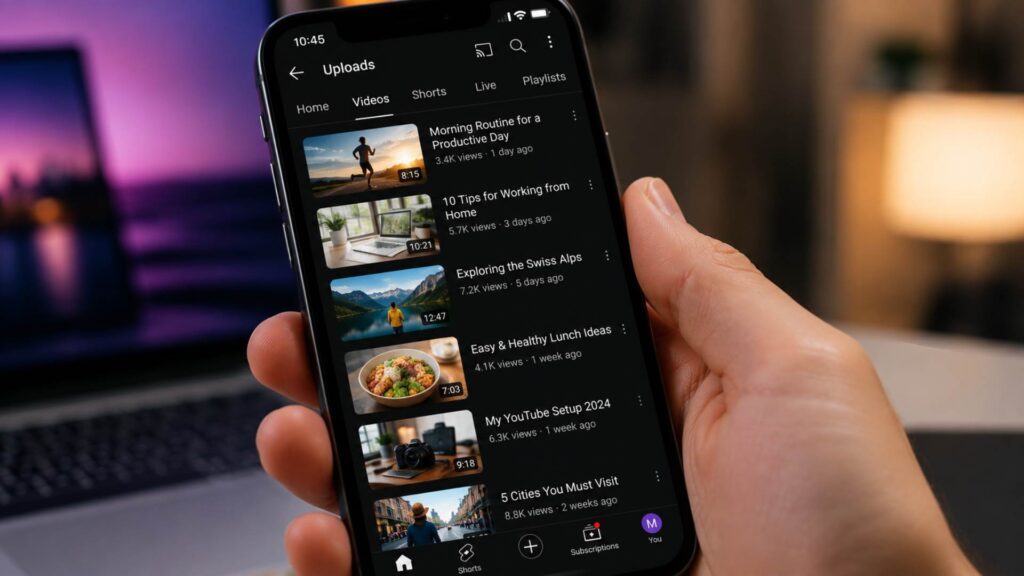
Thumbnail quality does more than drive clicks. It shapes how people see your entire channel at a glance. A cohesive, professional style across your uploads builds recognition, and that recognition increases the odds someone clicks before they’ve even read your title.
Consistent fonts, a repeated color palette, a layout people start to recognize, all of it trains viewers to spot your content while they’re scrolling. That familiarity builds trust over time, even with people who’ve never subscribed.
7. Upload Consistency
Channels that post on a predictable schedule tend to build stronger momentum than ones that upload whenever inspiration strikes. Consistency trains your audience to expect new content, and it gives YouTube a steady supply of fresh material to evaluate.
Daily uploads aren’t required, and honestly most people shouldn’t try. A realistic schedule you can actually sustain for months, weekly or biweekly, beats an ambitious daily plan that burns out in three weeks flat.
8. Viewer Satisfaction
YouTube surveys viewers directly and also tracks behavior like rewatches, external shares, and whether someone sticks around to watch more of your content afterward. All of it rolls into a satisfaction score that’s playing an increasingly bigger role in long term distribution.
This one rewards genuine quality over gimmicks. A video that leaves people feeling like their time was well spent tends to get recommended again and again, well past its original upload window.
9. Channel Authority
Channels that stick to a specific niche and consistently deliver quality content build something close to topical authority. YouTube leans on that when deciding whether to push a new video from your channel toward viewers who already trust your earlier work.
Jumping between unrelated topics makes it harder for YouTube to categorize your channel cleanly, which makes this kind of authority harder to build. Staying focused on a core theme, even while switching up formats, strengthens the signal considerably.
10. Subscriber Activity
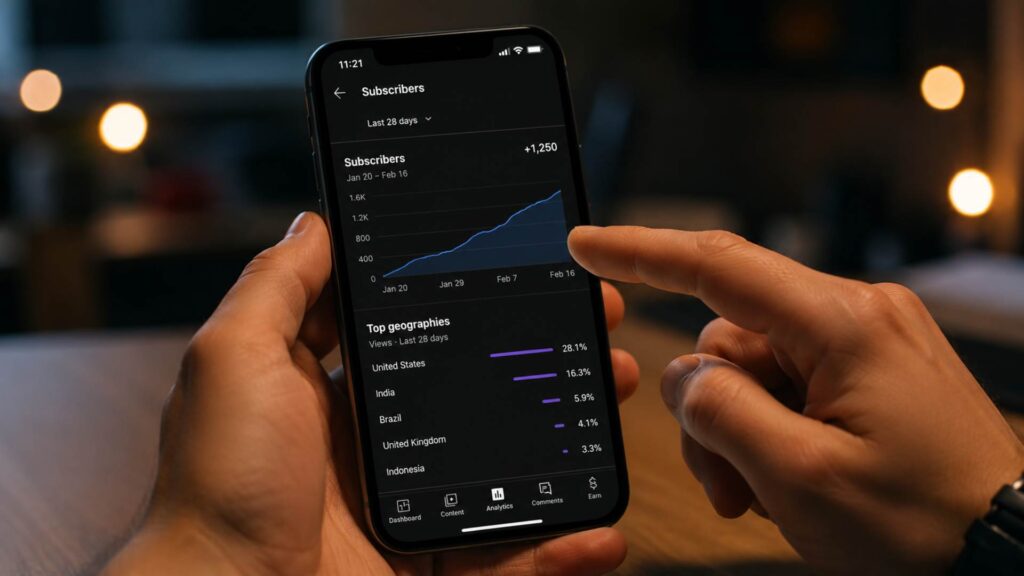
Subscriber count matters less than most people assume. What YouTube actually pays attention to is how many of your subscribers watch your new uploads. A smaller, genuinely engaged subscriber base often beats a bigger passive one when it comes to real YouTube channel growth.
Notification bell clicks, quick views right after you publish, consistent engagement from your existing audience, all of it sends an early signal that helps a new video build momentum before it ever reaches a wider audience.
YouTube SEO Best Practices
Getting the fundamentals right doesn’t take long once you know what actually moves the needle.
Optimize Titles for Search
Your title has to do two jobs at once, match what people are actually searching for and create enough curiosity to earn the click. Put your primary keyword near the front of the title whenever it fits naturally, since search systems weigh early placement more heavily. Skip vague titles that could describe half the videos in your niche. Specificity wins, consistently.
Write Keyword-Rich Descriptions
A solid description gives YouTube more context about what your video actually covers. Get your target keyword into the first two lines naturally, since that’s the portion visible before someone clicks “show more,” then expand with related terms further down. A quick summary of what viewers will learn, plus relevant links and timestamps, rounds it out well.
Use Chapters and Timestamps
Breaking a video into clearly labeled chapters helps viewers navigate and gives YouTube more keyword rich text to crawl. Chapters also boost retention, since people can jump straight to the part they care about instead of leaving the video entirely. Skip generic labels like “Intro.” A specific chapter title carries real search value.
Add Accurate Captions
Captions widen your reach and hand YouTube a full transcript to index. Auto generated captions are fine as a starting point, but a quick manual pass to fix mistakes improves both the viewer experience and how well YouTube understands the content. Misheard words in auto captions can genuinely throw off relevance, so that extra ten minutes is worth it.
Design Clickable Custom Thumbnails
Skip the auto generated thumbnail entirely. A custom one with clear visual hierarchy, readable text, and a color palette that matches the rest of your channel does far more for click through rate than anything YouTube pulls from your raw footage. Keep text short, three to five words tops, since most thumbnails end up viewed at a tiny size on someone’s phone.
Best Tools for YouTube SEO
TubeBuddy (Best Overall)
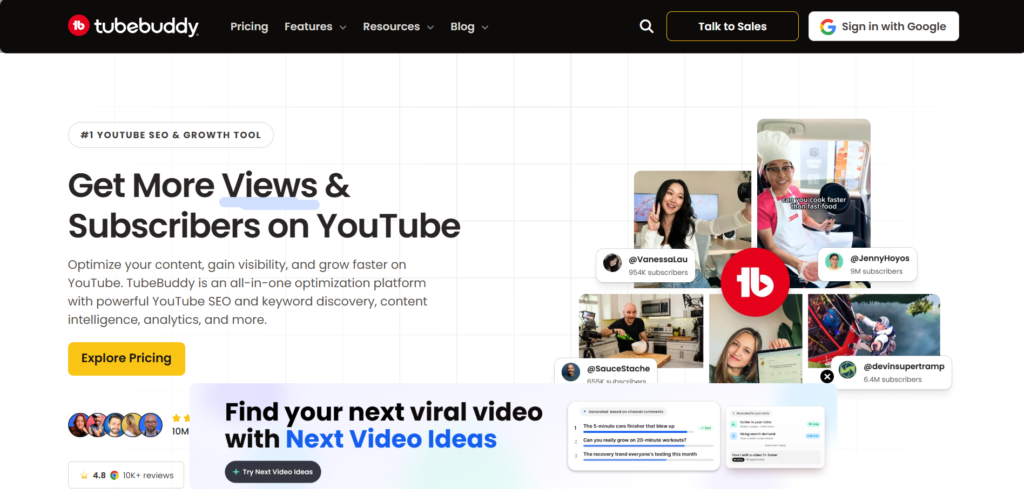
TubeBuddy is still one of the most complete toolkits out there for creators who take YouTube SEO seriously. Keyword research, tag suggestions, thumbnail A/B testing, and analytics that go deeper than what YouTube Studio shows by default, it’s all in there. The browser extension plugs directly into your dashboard, so you’re getting real time suggestions while you upload instead of bouncing between separate tabs. If you want one tool that covers most of this, start here.
vidIQ
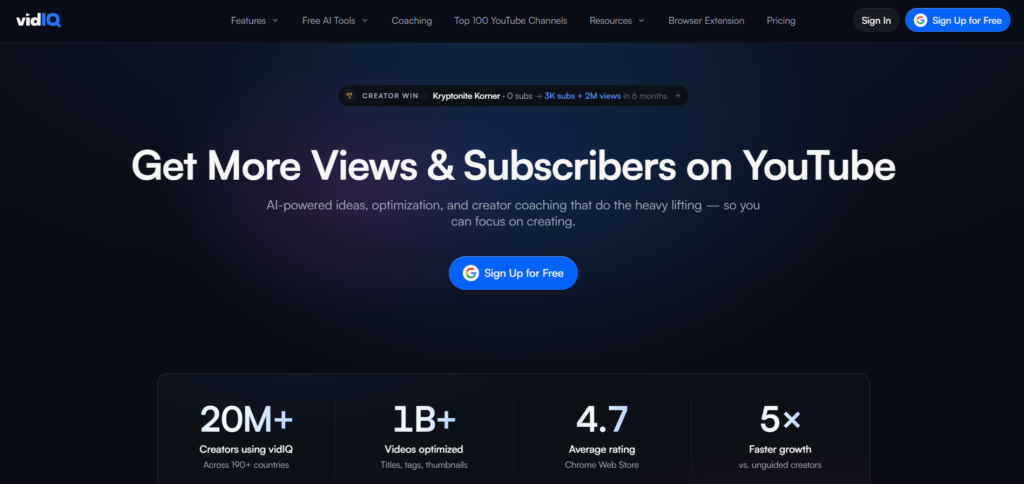
vidIQ sits right alongside TubeBuddy, with similar keyword and competitor research plus a browser extension that surfaces real time data while you’re just browsing YouTube. The competitor tracking is genuinely useful, letting you see which keywords and tags similar channels in your space are ranking for. A lot of creators run both tools together and cross check suggestions before locking in a title.
Canva Pro (Thumbnail Design)

You don’t need design chops anymore to build a clean thumbnail. Canva Pro has templates sized specifically for YouTube, plus brand kit features that keep your style consistent from upload to upload. The drag and drop interface means even someone with zero design background can turn out a thumbnail that looks properly done within minutes.
CapCut Pro
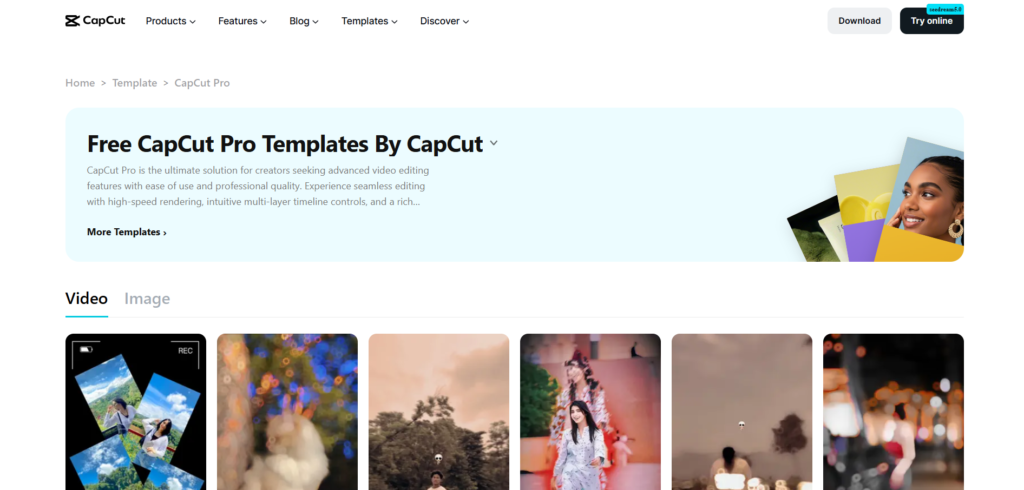
Pacing affects retention more than people realize, and CapCut Pro makes fast, punchy edits far more accessible than traditional software. Auto captioning, quick cuts, built in templates, all of it speeds up production considerably. For anyone publishing often, that saved time in editing can matter just as much as the final cut quality.
Descript

Descript treats editing like editing a document. Cut footage by deleting words straight from the transcript. This speeds up rough cuts dramatically, especially for talking head content where pacing makes or breaks retention. Trimming filler words and awkward pauses becomes highlighting text instead of scrubbing a timeline for twenty minutes.
Keyword Research Tools
Beyond the platforms above, tools like Google Trends and Answer The Public are worth checking before committing to a topic. They show you what people are actually searching for in your niche, and tracking search volume over time helps you figure out whether a topic is genuinely growing or already past its peak.
How to Measure Your Channel’s Success
- Watch Time: Total minutes viewers spend on your content
- Audience Retention: The percentage of each video actually watched
- Click-Through Rate: How often impressions turn into clicks
- Returning Viewers: How many people come back for more
- Subscriber Growth: The pace at which your channel picks up new subscribers
- Traffic Sources: Where your views are actually coming from, search, suggested, or somewhere external
Frequently Asked Questions (FAQs)
Does uploading consistently improve rankings?
Consistency builds momentum over time and trains both your audience and YouTube’s system to expect new content on a regular basis. It won’t fix weak content on its own, but paired with solid retention and engagement, a steady upload schedule genuinely supports long term channel growth.
Do hashtags help YouTube SEO?
They offer a small discovery bump, especially around trending topics, but they carry nowhere near the weight of your title, description, and actual content relevance. Use a few when they genuinely fit. Skip them otherwise.
Do subscribers affect video rankings?
Raw subscriber count matters less than how engaged those subscribers actually are. A smaller audience that consistently shows up and interacts with new uploads sends a stronger signal than a big, mostly inactive one ever will.
Wrapping Up…
Getting a handle on YouTube ranking factors isn’t about gaming a system or finding a shortcut. It’s about serving your audience well while giving YouTube clear enough signals to recommend your content with confidence. Solid YouTube SEO paired with content built for retention is still the most reliable path toward real YouTube channel growth. Nail click through rate, watch time, and retention first. Build the right tools into how you work. The rest tends to fall into place from there.